How to grow African violets? Teach you to grow the indoor flowering queen well
The original name of the African violet is also called African violet, it is a perennial herbaceous plant, native to the South Africa region. Because the African violet plant is small and exquisite, with brilliant flower colors, it is often used by people to decorate rooms and beautify courtyards. Although the history of growing African violets in our country is not very long, its pretty flower posture has won the favor of many flower lovers. So, if growing African violets in our country, what issues need attention? NextWarm Little Home Old Gardenerthe editor will introduce them to everyone.
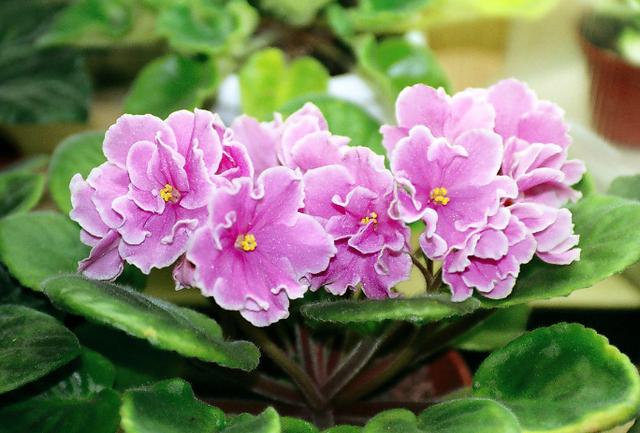
First point, maintain appropriate moisture
When watering African violets, the editor adopted this method: in early spring, because the temperature at this time is relatively low, you cannot water too much, just ensure the potting soil is slightly moist. In summer, because the temperature is on the high side, you should increase the amount of watering, and it is best to choose to water in the evening, so as to avoid the plant being scalded by warm water. If the air is especially dry, you can also increase the humidity of the environment by spraying water. However, when doing this you must be especially careful to avoid sprinkling water on the leaves.
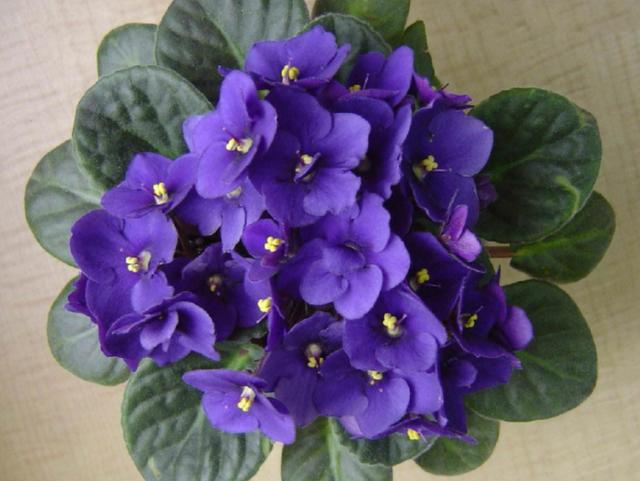
Second point, correctly apply fertilizer
African violets have a relatively high demand for fertilizer. Especially plants in the vigorous growth period need a dilute liquid fertilizer applied about every 10 days, and it is best to choose fertilizers rich in nitrogen, phosphorus, and potassium, so as to meet the growth needs of African violets. However, there is one point the editor wants to remind everyone of: during high summer temperatures, you must stop applying any fertilizer, and only resume normal fertilizing after the temperature drops.
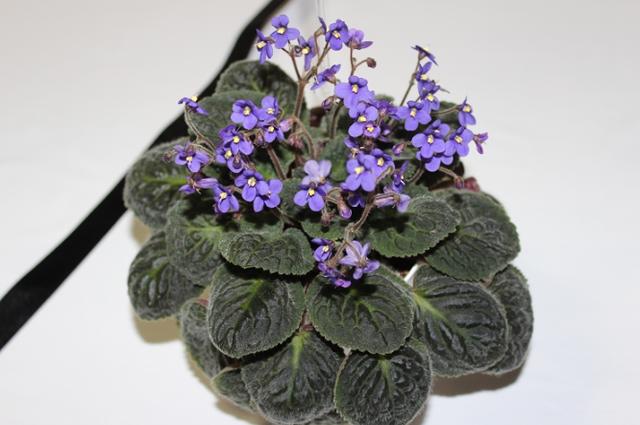
Third point, pair with suitable soil
If you want to grow African violets well, you must first provide them with a suitable soil environment. In terms of soil requirements, African violets generally like loose, fertile soil that is somewhat slightly acidic. In response to this characteristic, the editor specially found leaf mold, sandy soil, and peat soil. Mix these several soils thoroughly and evenly, then add a small amount of crushed charcoal, and this will be very suitable for the growth needs of African violets.
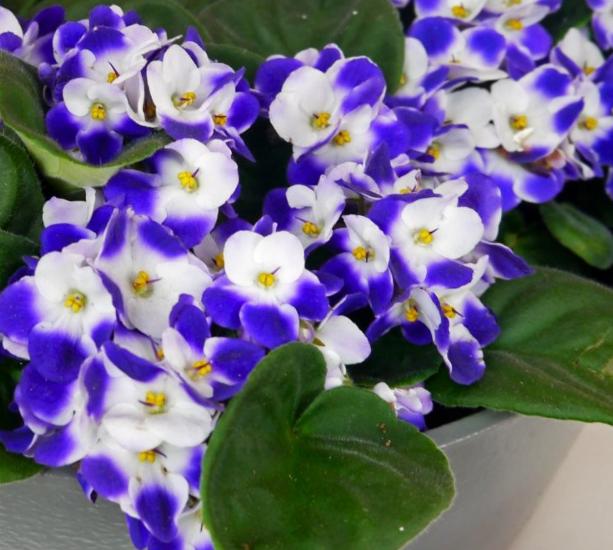
Fourth point, control the appropriate temperature
African violets are relatively sensitive to environmental temperature; if the temperature is too high or too low, it will affect their normal growth. Their most suitable growth temperature is around 16-24°C. In response to this characteristic, the editor adopted this temperature control method: between April and October, keep the environmental temperature at 18-24°C. From October to April of the following year, keep the environmental temperature at 12-16°C. In addition, the editor reminds everyone that the daytime temperature should preferably not exceed 30°C, and the nighttime temperature must not be lower than 10°C.
The above four points are the main issues in growing African violets, and I hope they can bring everyone a little help and reference. How much more do you know about the topic of the article? You are welcome to express your views in the comment section below. If you like this article, you might as well subscribe, and there will be more wonderful articles to share with you!