-
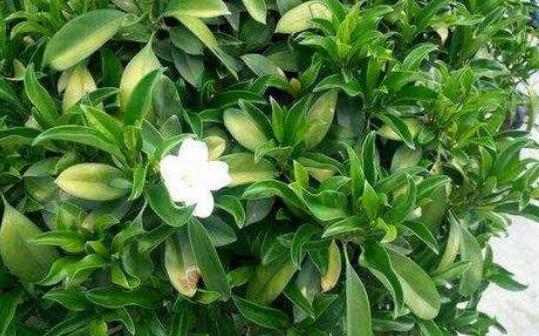
African jasmine (Chinese gloriosa lily, Fagraea ceilanica) cutting propagation method, survival rate can reach 80%
African jasmine is one of the plants very well suited to indoor growing. Its foliage color is beautiful, and its cultivation method is simple and easy to learn, so many flower lovers plan to grow several more pots at home. So how do you propagate African jasmine? Follow along below as we take a look at the propagation methods for African jasmine.
-
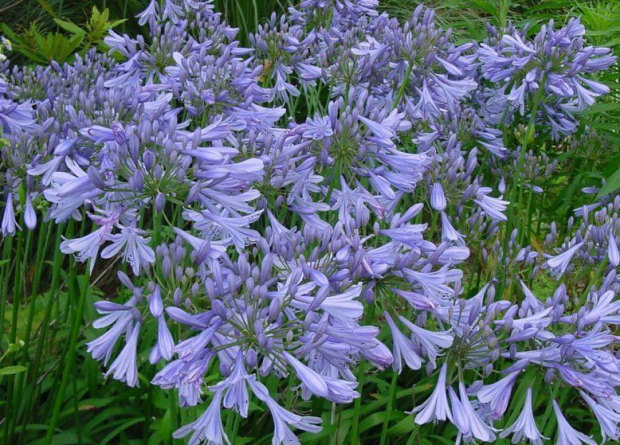
How to grow and cultivate Agapanthus (also known as African lily)
Agapanthus gets its name because it has many flowers and many seeds, and its leaves resemble those of an orchid; because its form is close to that of a clivia, but its flowers are purple-blue, it is also called purple clivia; in Jiangnan areas such as Shanghai and Hangzhou, it is also called baizilian. It is a perennial evergreen herb with rhizomes, with strap-shaped leaves about 80 cm long, basal, arranged in two rows
-
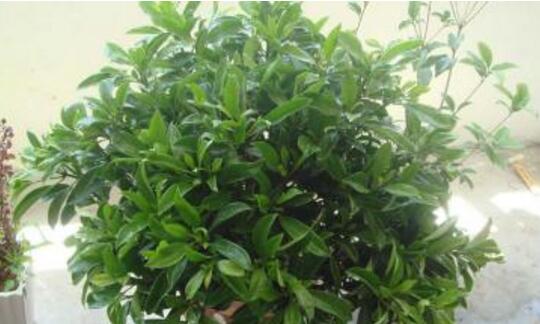
What to Do When African Jasmine Leaves Become Soft and Droopy? Root Damage Is the Main Cause, Four Solutions
Normally, the leaves of African jasmine should be firm and upright, but some flower lovers have found that their African jasmine leaves have become soft and droopy, which not only affects its appearance but also slows its growth. What causes this phenomenon, and what should we do about it? Let's take a look together.
-
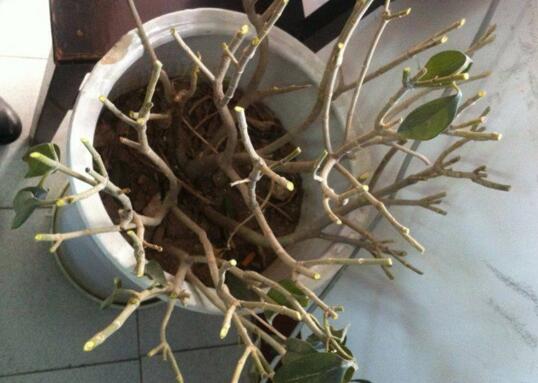
How to prune Chinese Violet (African Jasmine)? Illustrated pruning methods and timing
In terms of growth rate, Chinese Violet (African Jasmine) is not a very fast grower, but if you want to keep it more attractive, pruning is also essential during care. So how should Chinese Violet be pruned appropriately? Let's look at the illustrated pruning methods for Chinese Violet.
-
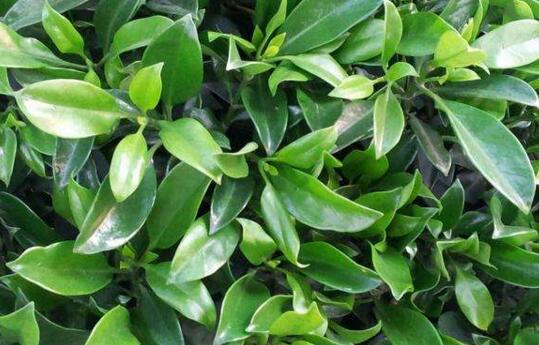
What to Do When African Jasmine Drops Its Leaves? Six Major Causes and Four Solutions to Help You Improve It
We know that the main function and benefit of African jasmine is ornamental, and for the most part what people admire is its beautiful leaves. But if leaf drop occurs, its ornamental value is greatly reduced. So what should you do when African jasmine drops its leaves? Let's look at the specific causes and solutions below.
-
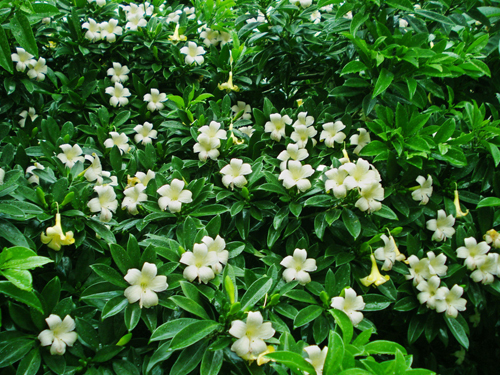
What are the cultivation methods for Fagraea ceilanica (African jasmine)?
Fagraea ceilanica (Fagraea, African jasmine) Scientific name: fagraeaceilanica Morphological features: Evergreen (climbing) shrub or small tree. Leaves opposite, elliptical, with a abruptly pointed tip. Entire margin, fleshy, dark green on the surface. Flowers solitary or in dichasial cymes, corolla funnel-shaped, 5-lobed, white
-
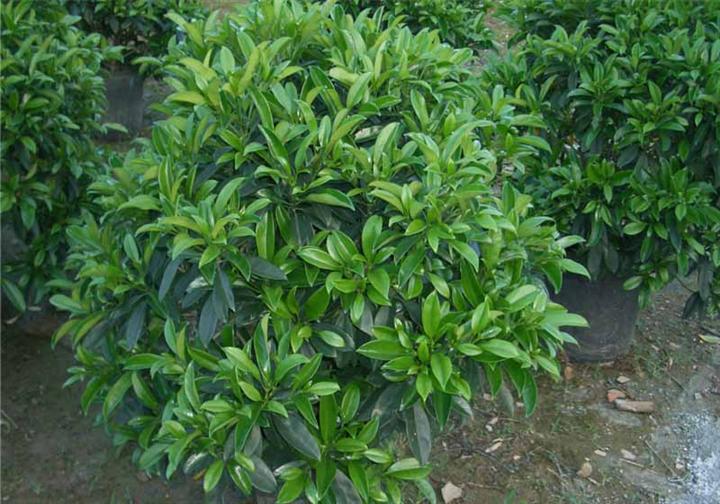
How to grow African jasmine? Detailed guide to cultivation methods and precautions
The branches of African jasmine are jade-green in color, and the leaves are glossy and shiny. The leaves are opposite, herbaceous and fleshy, oblong, elliptical to obovate, with acuminate tips; the upper surface is dark green, and the underside is yellow-green. At the base of the leaves, it secretes a kind of crystal-clear liquid with a faint fragrance, which is beneficial for sleep.
-
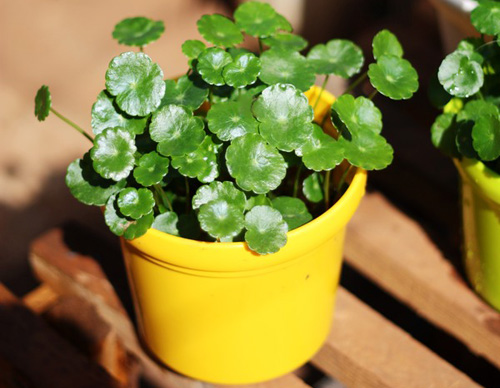
A Detailed Guide to the Cultivation and Care of Hydrocotyle vulgaris (Copper Coin Grass, South American Pennywort)
Hydrocotyle vulgaris (Copper Coin Grass, South American Pennywort) Scientific name: hydrocotyle vulgaris. Common names: common pennywort, golden lotus, water coin, copper coin grass. Morphological features: a perennial emergent or hygrophytic herb with a trailing habit, 5-15 cm tall. It often roots at the nodes, and the stem tips are brown.
-

How to Grow North American Jerusalem Artichoke? A Detailed Guide to Cultivation Techniques
North American Jerusalem artichoke is a perennial herb, with "daisy" above ground and "tuber" below ground, oblong-ovate leaves, capitulum inflorescences, blooming in autumn, and spindle-shaped tubers. The yield of stems and leaves is 5000-10000 kg per mu, with relatively high nutritional value; it is called high-quality "protein daisy" and can be used as feed. The tuber yield is 3000-5000 kg per mu. It can be used as a vegetable or coarse grain, and can also be used to make starch and alcohol. Jerusalem artichoke is also a kind of ornamental flower; its abundant blooms can beautify the environment. Compared with forage grasses grown solely for stems and leaves, such as grain amaranth and compass plant, it has greater usefulness, higher value, and wide adaptability
-
What variety is the American black sweet potato? An article to help you understand
The American black sweet potato is a new black-red sweet potato variety introduced from the United States. The leaves are heart-shaped, without notches, with short vines (70-100 cm long), many branches at the base, and the top three leaves are purple-red. Each plant produces 4-6 tubers, each weighing 100-500 grams, with a maximum of 1 kg. It produces many and uniform tubers. The general yield per mu is: spring sweet potatoes 4000-5000 kg, summer sweet potatoes around 3000 kg. The tubers are spindle-shaped, with purple-black skin like dragon shells, and purple-red flesh, beautiful and attractive. After cooking, they are entirely purple-black, sweet, fragrant, mealy, and sandy,
条件筛选