What to Do When African Jasmine Drops Its Leaves? Six Major Causes and Four Solutions to Help You Improve It
We know that the main function and benefit of African jasmine is ornamental, and for the most part what people admire is its beautiful leaves. But if leaf drop occurs, its ornamental value is greatly reduced. So what should you do when African jasmine drops its leaves? Let's look at the specific causes and solutions below.
Why African Jasmine Drops Its Leaves
1. Caused by turning the soil and repotting
In the cultivation methods for African jasmine, we emphasize repotting and changing the soil once every 1-2 years. During the repotting process, African jasmine, due to acclimatization, will have its roots unable to absorb enough water shortly after repotting, resulting in some leaves dropping.
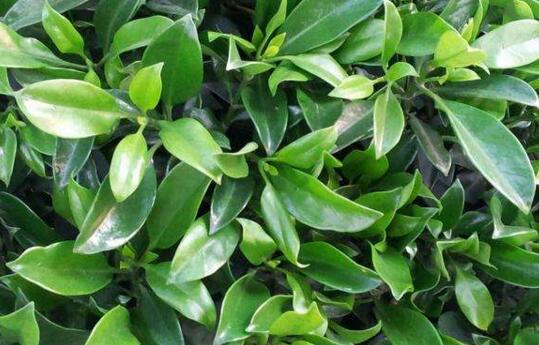
2. Soil alkalinity too high
Soil in northern regions is usually on the alkaline side. Combined with the habit of using alkaline tap water for regular watering, this gradually causes the soil's alkalinity to become too high, making it impossible for African jasmine to adapt to this environment, resulting in poor growth, with leaves dropping first.
3. Watering problems
Watering too much or too little will both cause African jasmine to drop leaves. Because watering too little means the roots cannot absorb enough water, while watering too much causes root rot, which likewise affects the roots' ability to absorb water. The result of insufficient water is leaf drop.
4. Climate reasons
Many people like to keep African jasmine outdoors or on a balcony. When the temperature drops sharply in autumn, if it is not moved indoors to a warmer place in time, the leaves may be frostbitten, causing premature leaf drop.
5. Light too dim
African jasmine is a light-loving plant. If the environment it is in is always relatively dark, the leaves will lack photosynthesis, leading to loss of green color, yellowing and dropping.
6. Strong wind damage
Although when cultivating African jasmine you should ensure good ventilation in the environment, if it is placed in the teeth of the wind and constantly buffeted by strong winds, even the most robust plant will have its leaves blown off, so leaf drop is very normal.
What to Do When African Jasmine Drops Its Leaves
1. Water reasonably
When leaf drop is noticed, the watering method should be adjusted promptly. You can first let the African jasmine dry out for a period, then water moderately, watering until it is thoroughly soaked, avoiding waterlogged conditions.
2. Water with alum fertilizer water
Alum fertilizer water is an acidic fertilizer that can improve the soil's acidity and alkalinity. If it is excessively high alkalinity causing the African jasmine to drop leaves, you can add alum fertilizer water when watering, which will make the watered soil slightly acidic.
3. Supplement light with diffused light
If the African jasmine is kept in a dark place, a fluorescent lamp should be used to supplement light, providing the African jasmine with enough light, and the leaf drop phenomenon can be alleviated.
4. Keep warm and avoid strong wind damage
African jasmine planted on a balcony or in a drafty spot should be moved to a moderately temperatured, shady place for care when the climate changes greatly or there are strong winds, to avoid the leaves being frostbitten by excessively low temperatures.
Causes of African Jasmine Dropping Leaves, What to Do When African Jasmine Drops Its Leaves
African jasmine is one of the common plants grown at home. Its branches and leaves are glossy, and its branches are luxuriant, giving a feeling of vitality. However, if African jasmine is not cultivated properly, it easily drops leaves, and many growers are often at a loss. So what causes African jasmine to drop leaves? What should you do when African jasmine drops its leaves? Today the editor will answer for you.
Causes of African Jasmine Dropping Leaves
The causes of African jasmine dropping leaves are brought about by environmental factors, pest and disease damage, and many other aspects. Understanding its growth habits is crucial for caring for African jasmine.
1. Changing the soil: Potted African jasmine needs to have its soil changed once every one to two years. After changing the soil, the original root system cannot support the water usage of the upper leaves, so the plant will certainly discard some of the evaporating leaves; it is also possible that the new soil lacks some trace element.
2. Overwatering or underwatering: Overwatering or underwatering will both affect the growth of African jasmine, thereby causing its leaves to turn yellow and fall off. When the potting soil is too dry, the roots cannot supply enough water and cannot meet the plant's needs, causing the leaves to drop from lack of water; if the potting soil is too wet, it affects the roots' breathing, and in severe cases causes root rot, so nutrients cannot be supplied and the leaves will wither and fall.
3. Temperature too low: African jasmine is a tropical plant and needs a relatively high growing temperature. When the temperature is below 5°C, it will stop growing and the leaves easily drop.
4. Too little sunlight: African jasmine likes sunlight but avoids strong light exposure. During growth it requires fairly sufficient diffused light, and is suitable for placement near a window; it should not be too dark, otherwise the leaves will lose their green color, turn yellow, or fall off.
5. Pest and disease damage: Improper care of African jasmine can also cause insect pests and diseases. Some diseases and pests can also cause African jasmine's leaves to turn yellow or fall off. Pay attention to inspecting and applying pesticide treatment.
What to Do When African Jasmine Drops Its Leaves?
1. After the beginning of spring and before May Day, begin water control, letting the African jasmine plant dry out for a period.
2. After May Day, first carry out heavy pruning of the plant, leaving 2-3 buds at the base of the surrounding branches and cutting off all the rest, leaving not a single leaf.
3. Immediately after pruning, repot, apply sufficient base fertilizer, then water thoroughly in several rounds, and do not water again until a large number of new buds appear.
4. Place it in a cool, ventilated place for care. At this time, observe carefully, prevent pests and diseases, and protecting the tender buds is very important.
5. After the tender buds gradually increase, pay attention to selectively keeping or removing them in a planned way, growing according to the expected plant shape. At the same time, promptly prune away dry branch sections at any time.
6. Three months after pruning, gradually expose it to sunlight. Water should be sufficient, but not waterlogged. Just pay attention to care.
The causes of African jasmine dropping leaves and the related content on what to do when African jasmine drops its leaves are explained here. African jasmine's requirements for soil are loose, fertile and well-drained, and it likes a high-humidity, well-ventilated, sunny environment. When African jasmine is found to be dropping leaves, it should promptly be placed in a good environment, and attention should be paid to the soil's moisture, while also preventing pest and disease damage.
What to Do When African Jasmine Drops Its Leaves and What Are the Causes of Leaf Drop
African jasmine is a plant that is not difficult to keep alive. The most beautiful part of African jasmine is its leaves, but during care leaf drop may occur, which affects its ornamental value. So what should you do when African jasmine drops its leaves?
What to Do When African Jasmine Drops Its Leaves:
The most commonly used rescue method for African jasmine dropping leaves is “prune the branches short, stimulate new leaves.” Let's look at the specific operation method:
Control water in time
After the beginning of spring and before May Day, begin water control, letting the African jasmine plant dry out for a period.
Prune short after May Day
After May Day, first carry out heavy pruning of the plant, leaving 2-3 buds at the base of the surrounding branches and cutting off all the rest, leaving not a single leaf. Immediately after pruning, repot, apply sufficient base fertilizer, then water thoroughly in several rounds, and do not water again until a large number of new buds appear.
Place in a cool place for care
Place it in a cool, ventilated place for care. At this time, observe carefully, prevent pests and diseases, and protecting the tender buds is very important. After the tender buds gradually increase, keep or remove them in a planned way; they cannot all be kept. At the same time, promptly prune away dry branch sections at any time.
Expose to light after 3 months
Three months after pruning, gradually expose it to sunlight; timing control is very important. Afterward, ensure sufficient water, but not waterlogged. Just pay attention to care.
Causes of African Jasmine Dropping Leaves:
Unsuitable soil
In fact, African jasmine can grow healthily in its original pot, but it cannot withstand being moved back and forth. Potted African jasmine usually needs its soil changed once every 1-2 years. After changing the soil, the root system cannot bear the water usage of all the leaves, so it will discard some of the upper leaves. Another possibility is that the soil lacks some trace element, causing poor growth and leaf drop.
Overwatering or underwatering
Overwatering or underwatering will both affect the growth of African jasmine, thereby causing its leaves to turn yellow and fall off. When the potting soil is too dry, the roots cannot supply enough water and cannot meet the plant's needs, causing the leaves to drop from lack of water; if the potting soil is too wet, it affects the roots' breathing, and in severe cases causes root rot, so nutrients cannot be supplied and the leaves will wither and fall.
Temperature too low
African jasmine is a tropical plant and needs a relatively high growing temperature. When the temperature is below 5°C, it will stop growing and the leaves easily drop. If the plant is not moved indoors in time in winter and suffers frost, it will drop leaves.
Too little sunlight
African jasmine likes sunlight but avoids strong light exposure. During growth it requires fairly sufficient diffused light, and is suitable for placement near a window; it should not be too dark, otherwise the leaves will lose their green color, turn yellow, or fall off.
Pest and disease damage
If the care environment for African jasmine is unsuitable, pests and diseases will occur. Leaf spot disease, scale insects and others can all cause leaf drop, so pay attention to prompt treatment.