-
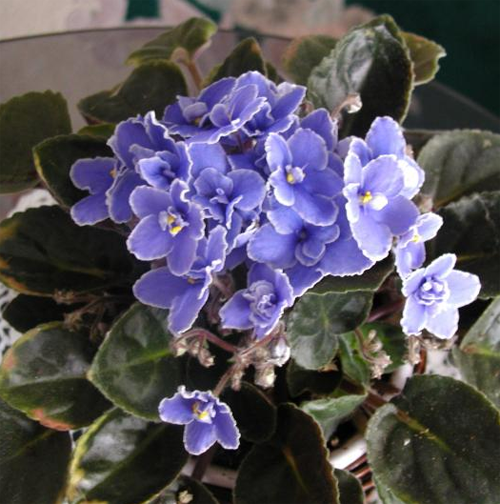
African Violet Care and Propagation Techniques
The flowers of the African violet are purple, and many people still like them. What are the care methods for African violets? How do you propagate African violets? African violet care methods: 1. The soil must be loose and breathable, and it must also have good drainage. You can use leaf mold and perlite in a 1:1 ratio.
-
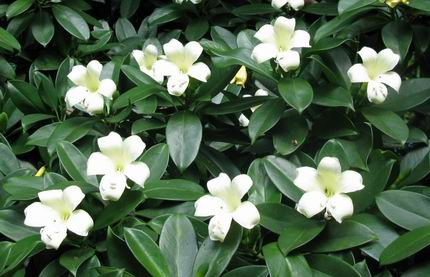
African Jasmine (Madagascar Jasmine) Growing Methods and Precautions, Detailed Explanation of Propagation and Pruning Techniques
African Jasmine is also a kind of jasmine, bearing small white flowers that look somewhat like osmanthus flowers. What are the growing methods and precautions for African Jasmine? How is African Jasmine propagated? Growing methods and precautions for African Jasmine: Soil selection - its greatest requirement for soil is good water drainage
-
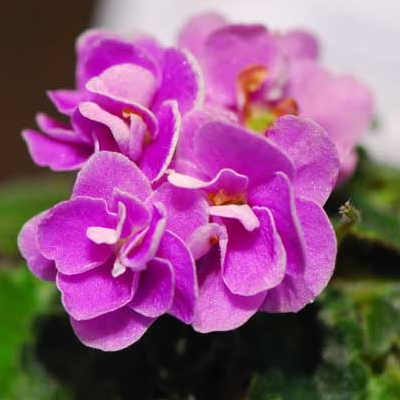
How long is the blooming period of African violets? Analysis of the reasons why they do not bloom
African violets are very compact flowers and are also very suitable as ornamental plants. So how long is the blooming period of African violets? Why do African violets not bloom? How long is the blooming period of African violets: When it comes to the blooming time of African violets, it actually also depends on their propagation from cuttings.
-
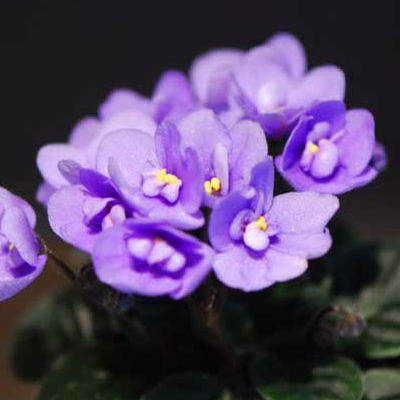
Is the African violet toxic? A detailed guide to propagation methods
The African violet is a very small and beautiful plant, and also a plant very well suited to cultivation, so how do you propagate an African violet? Is the African violet toxic? How to propagate an African violet: leaf-cutting propagation. The African violet commonly uses cutting propagation, mainly leaf cuttings.
-
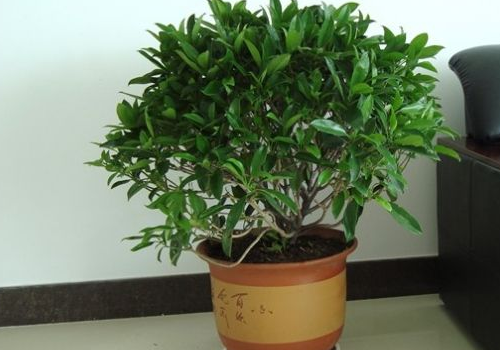
Can African Jasmine Be Grown in Water? A Detailed Explanation of Its Feng Shui Role
African jasmine is a kind of plant, and many people like it; it is super beautiful. So can this African jasmine be grown in water? What feng shui roles does it have: Can African jasmine be grown in water: African jasmine can be grown in water
-

Detailed Introduction to the American Giant King Soybean Variety
The American Giant King soybean generally has a plant height of about 85-90 cm, with a typical single plant reaching 1 m. It is a medium-stem soybean with a fan-shaped plant and large round leaves. The plant is stout and resistant to lodging, with 50-60 growing nodes, bearing true-form large round leaves. The flowers are of two colors, light white and purple, with a flowering period of about 40-50 days. The pod skin is brownish-yellow, and the pods are set compactly, with 3-4-seed pods accounting for more than 85%, while 5-seed pods are relatively few. The 1000-grain weight is 300-400 g. A single plant generally sets 200-300 pods and can produce 150-200 g of seed weight. An exceptional typical single plant can set about 8
-
High-yield soybean Kaidou No. 4 improved from an American variety
Kaidou No. 4 is a high-yield, high-quality new soybean variety developed by Kaifeng Zhengda Company of Henan Province, with the support of the State Administration of Foreign Experts Affairs, from advanced-generation lines introduced from the United States, through irradiation treatment and systematic selection. Determinate podding habit. Plant height 75 cm. 6-8 branches per plant. Leaves ovate. White flowers. Seeds yellow, brown hilum, oval. 100-seed weight 15.6 g. Contains 42.1% crude protein and 2.03% fat. Medium maturity, summer-sown growth period 110 days. Outstanding features include dense podding; high yield, 200-400 pods per plant, generally 250
-
What are the similarities and differences between Chinese and American cotton grading standards?
The United States is a major cotton-producing and cotton-consuming country, with half of its annual cotton production used for domestic consumption and half for export. As a result, American cotton standards have an important influence worldwide and are used by 24 countries and regions; they are also known as the universal cotton standards. Below is a brief introduction to the similarities and differences between Chinese and American cotton grading standards: Cotton grade is a reflection of the overall quality performance of cotton, and the cotton standards of most cotton-producing countries in the world include a cotton grade inspection item. In the U.S. cotton standard
-
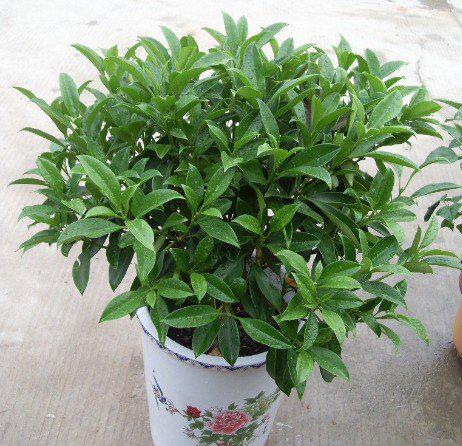
What causes yellowing leaves on the African jasmine?
African jasmine readily adapts to unfamiliar environments and can be grown in courtyards and on balconies. Its branches are the color of jade, its leaves are glossy and shining, and its flowers are slightly fragrant with an elegant shape, each with five petals, arranged in umbels clustered at the tips of the flowering branches. Its flowering period is very long, blooming in both winter and summer, with the most splendid blooms in spring and summer.
-
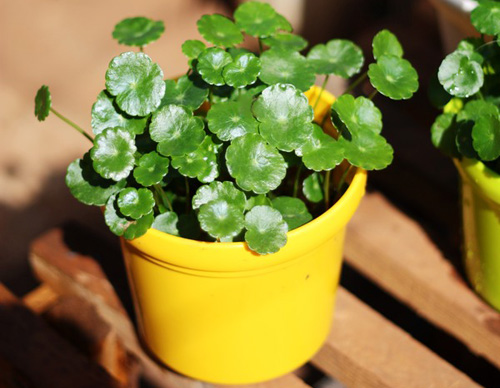
A Detailed Guide to the Cultivation and Care of Hydrocotyle vulgaris (Copper Coin Grass, South American Pennywort)
Hydrocotyle vulgaris (Copper Coin Grass, South American Pennywort) Scientific name: hydrocotyle vulgaris. Common names: common pennywort, golden lotus, water coin, copper coin grass. Morphological features: a perennial emergent or hygrophytic herb with a trailing habit, 5-15 cm tall. It often roots at the nodes, and the stem tips are brown.
条件筛选