-

Is chives a herbaceous plant? A complete guide to chives
Chives, a monocotyledon, are cold-tolerant, relatively heat-tolerant, drought-tolerant but not waterlogging-tolerant, with a tender texture and a strong aroma. They are mainly eaten for their tender leaves, an indispensable seasoning when cooking dishes, fish and soups, and also a major variety for processing dehydrated vegetables.
-
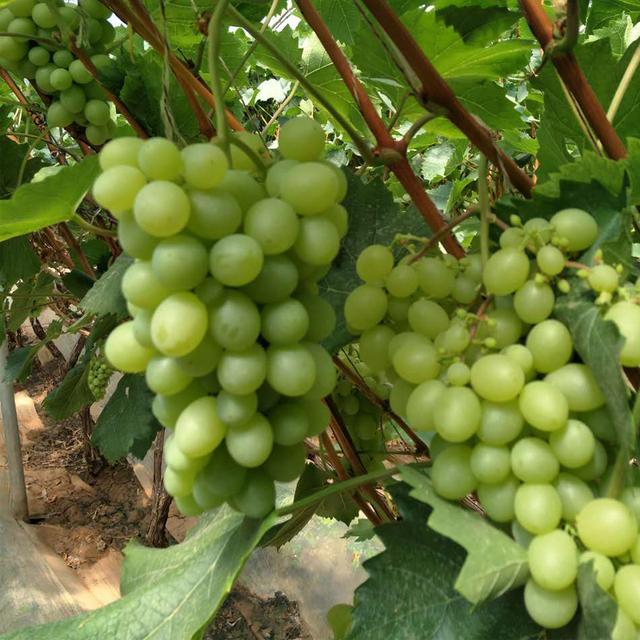
Current status, existing problems and sustainable development strategies of the grape industry in Shandong Province
Current status, problems and sustainable development measures of the grape industry in Shandong Province Fund project: Youth Scientific Research Fund of Shandong Academy of Agricultural Sciences (2016YQN36); Special Fund of the National Modern Agricultural Industry Technology System (CARS-...
-

Must-Save: A Complete Illustrated Guide to Growing a Dwarf Champion Bonsai
"A champion is one who excels. It means being the foremost among the feudal lords." -- Mencius. Dwarf champion bonsai, as the name suggests, refers to those "small-statured" bonsai. Though "short" and "small," they lose none of a champion's commanding presence. The trunk of a dwarf champion bonsai gradually tapers from bottom to top, with even transition, and the branches also thin out in graded layers. Without a reference object for scale, it looks exactly like a standard large tree in nature. The bonsai technique of "expressing the grand through the small" is displayed to the fullest in dwarf champion bonsai!
-

How can you increase the success rate of succulent leaf propagation? Leaf selection, watering and ventilation are equally key
Anyone who has grown succulents has probably tried leaf propagation, right? Indeed, the fun of leaf propagation has captivated many people: whenever you see a single leaf, through your own hands, weather through storms and grow into a mature beautiful succulent, this sense of achievement and...
-
If Crassula is a type of succulent in the Crassulaceae family
Crassula is a succulent in the Crassulaceae family, genus Crassula, native to Namibia, Africa. It grows quickly and has strong adaptability, and also tolerates partial shade, but does not like water, so pay attention to watering less when planting. It is widely cultivated around the world. It is very suitable for planting in combinations, because its fast growth rate quickly covers empty ground.
-
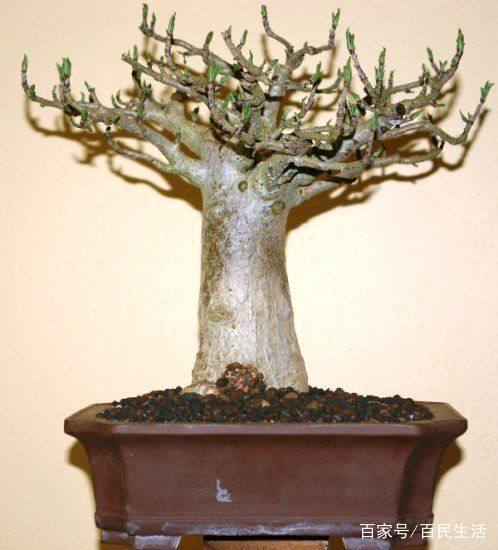
Bonsai appreciation: simple beauty and elaborate, varied forms each have their own merits, take your pick
This line truly fits: "Watch the old tree in the pot sprout new buds, see the black hair in the mirror turn white," how perfectly it matches the mood. ...
-

Rose cuttings not rooting? Let me teach you one trick: roots in half a month, flowers within a month, 100 percent survival rate
Roses bloom beautifully and are deeply loved by flower growers, who are eager to try propagating roses from cuttings. In fact, the vermiculite rose cutting method I shared earlier roots very quickly, but some growers still say their rose cuttings...
-
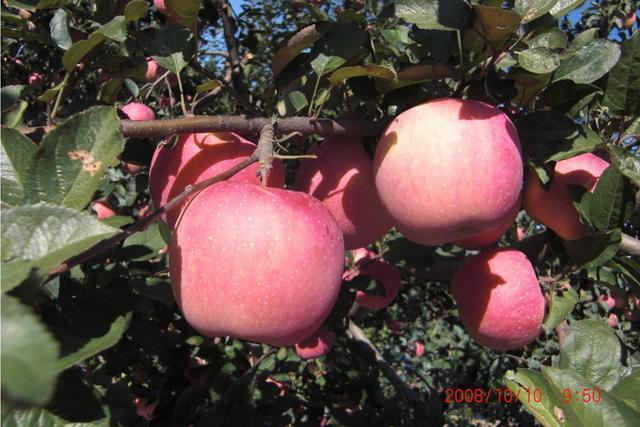
How does apple stigma-covering agent affect fruit set rate?
Effect of apple stigma-covering agent on fruit set Apple flowering and fruit set consume large amounts of stored nutrients in the tree. According to reports, a single apple flower consumes 1 milligram of stored nutrients through respiration during the few days it is open. If flower and fruit thinning are not...
-
How to grow Haworthia fasciata? Care methods for Haworthia succulents
Haworthia fasciata, originally named "striped snake tail orchid," is a perennial succulent herbaceous plant of the Haworthia genus in the Liliaceae family, with excellent ornamental value. Its native habitat is in the tropical arid regions of southern Africa. It likes a sunny environment, and the suitable growing temperature should be moderate; it requires well-draining, nutrient-rich soil.
-
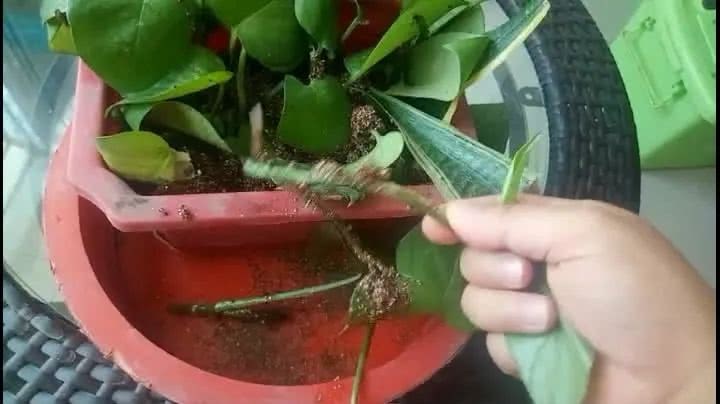
The fastest method for propagating pothos (Epipremnum aureum) cuttings: roots in 3 days, a full pot in one month, with a 100 percent survival rate
There are various ways to propagate pothos cuttings: you can root them in water or in soil. I think the fastest rooting method is vermiculite propagation - roots come quickly, the transplant shock period is short, and the survival rate is almost 100 percent. Cut the pothos vines into small sections with aerial roots, ...
条件筛选