How to grow Haworthia fasciata? Care methods for Haworthia succulents
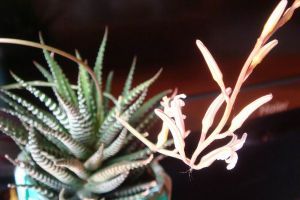
Growth habits of Haworthia fasciata
Native to southern Africa. It likes warmth, dryness and bright light. It is not cold-hardy, tolerates partial shade and drought, and fears waterlogging and strong light.
Favorite temperature: 10-22°C; the growing season is in spring and autumn.
Watering: keep moist during the growing season
Light: bright light
Propagation: mostly by cuttings or division
Pests and diseases: Haworthia fasciata is extremely prone to root rot and whitefly problems.
Combination suggestions: Sempervivum arachnoideum, Haworthia cooperi
Care tips for Haworthia fasciata
Potting soil: when repotting in April-May each year, cut off the withered leaves at the base of the plant and the overly long fibrous roots. For potted plants, shallow planting is best; use a mixed soil of leaf mold and coarse sand. Keep the potting soil slightly moist during the growing season.
Humidity: when the air is too dry, spray water to increase humidity. During the semi-dormant period in winter and midsummer, keep it dry and strictly control watering.
Fertilizing: fertilize once a month with diluted cake fertilizer water or a special fertilizer for potted flowers. When using liquid fertilizer, do not let it stain the leaves.
Propagation methods of Haworthia fasciata
Cuttings: in May-June, gently cut off the fleshy leaves with a semi-lignified portion at the base, let them dry slightly, then insert them into a sand bed; they root in 20-25 days.
Division: can be done all year round; when repotting in April-May, peel off the young plants growing beside the mother plant and pot them directly.
Related Articles
- How to prevent and control pests and diseases on desert rose? Ventilation and dryness are the key to prevention
- The three main causes of cotton diseases: climate, seeds and cultivation
- How to Grow Bird's Nest Fern in Water? Master Temperature, Light, and Water Change Techniques
- A Complete Guide to Identifying and Controlling Common Potted Flower Pests
- Do Carnivorous Plants Need Watering? Pot Watering and Wet/Dry Assessment Methods
- How to manage cotton during the flowering and boll-setting stage? Apply flowering and boll fertilizer heavily, use chemical regulation and pruning to prevent premature senescence
- How to Grow Chinese Hibiscus? Master These 5 Key Points for Blooms All Year Round
- How to Grow Tulips in Water? The Complete Process from Bulb Preparation to Blooming