-

Detailed Explanation of Key Techniques for Oyster Mushroom Cultivation on Sterilized Substrate
1. Preparation of the culture substrate: Select fresh materials free from mold, uniform in coarseness, and remove impurities. Mix the raw materials together in proportion until evenly blended, then add water and stir; control the moisture content at 60%, so that when squeezed into a ball in the hand, slight moisture appears between the fingers but no water drips out. Then fill into bags. 2. Sterilization: Use the high-pressure cabinet sterilization method, holding at 120°C under stable pressure for 2-3 hours; or the steam sterilization method, steaming thoroughly at 100°C and holding for 4-6 hours. A steamer pot can also be used for sterilization: first add water to the pot, attach a steaming rack on top, and cover tightly with pressure. After steam rises from the top layer, sterilize for 10-15 hours.
-
What to Do When the Surface of Oyster Mushroom Substrate Turns Black? Cause Analysis and Control Methods
The main causes of blackening on the substrate surface and the control methods are: (1) Oyster mushroom mycelium soaked in water for a long time causes rot and blackening. In this case, the condensation water on the substrate surface should be absorbed and dried promptly. If it is grown on beds, excess water at the bottom should also be absorbed and dried promptly. (2) Contamination by foreign microorganisms and breeding of insect pests cause blackening. When blackening occurs, pests must be controlled or the affected part dug out promptly to prevent it from spreading.
-
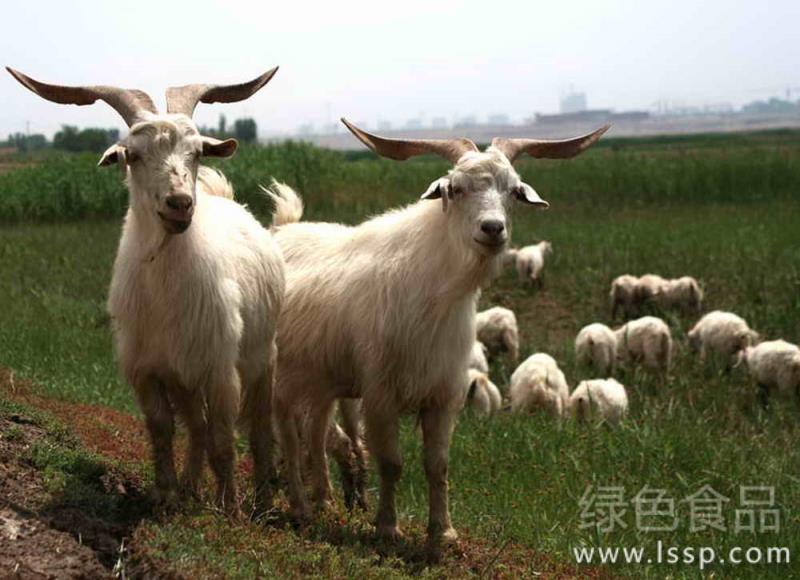
Sheep foot-and-mouth disease has a high mortality rate; how can it be prevented and controlled scientifically?
Sheep foot-and-mouth disease has a high mortality rate; how to prevent and control foot-and-mouth disease in sheep
-
How do you deal with a lack of water in the substrate during the later stage of oyster mushroom cultivation?
The first flush of oyster mushrooms accounts for about 40% of the total yield. Generally, after the second flush is harvested, because the water in the substrate is almost used up, even if mushrooms can still come out they are sparse, with thin and weak fruiting bodies, loose and dry flesh, and poor taste. To increase the yield, the following methods can be used to supplement water and nutrient solution: (1) The upright bag hole-irrigation method: the soaking method requires a water-holding container, but in some cases a small container or other reasons make it inconvenient, so this method can be used. Stand the fungus bags upright on the floor of the mushroom house, pull up the edges of the plastic bag so that water can be retained after watering, then
-
Why oyster mushroom mycelium fails to fruit for a long time after fully colonizing the substrate, and how to fix it
In oyster mushroom cultivation, you sometimes run into bags or blocks whose mycelium grows very well but, after fully colonizing the substrate, produce no mushrooms for a long time. The main causes and remedies are as follows: 1. The oyster mushroom variety does not match the season. The temperature type of the spawn differs too greatly from the air temperature at cultivation time, which is to say the sowing time was chosen poorly. For example, if a medium-to-low-temperature oyster mushroom spawn is sown at the turn of spring and summer, the mycelium fully colonizes just as the hot season arrives, making fruiting very difficult. Remedy: dig a trench in a shady spot, arrange the bags in it and cover them with soil to oversummer; when the autumn cool arrives and conditions are suitable, dig away the soil cover and carry out fruiting management to reduce losses.
-
What is the effect of adding plant ash to oyster mushroom substrate
When cultivating oyster mushrooms on raw substrate, adding an appropriate amount of plant ash to the substrate has certain benefits for the growth of oyster mushrooms. Because plant ash is alkaline, it has a disinfecting and sterilizing function and can inhibit the growth of various contaminating microorganisms. At the same time, plant ash contains various trace elements such as calcium, magnesium, iron and phosphorus, which can increase the nutrient content of the substrate. In addition, plant ash has the effect of absorbing heat and raising temperature, which can create a good growing environment for mycelial growth. The method of adding plant ash to the substrate is simple: just add 3%-4% after the substrate has fully absorbed water.
-
How to treat garlic leaf blight? Master integrated control techniques in one article
Shandong is a major garlic-producing region, and garlic suffers fewer diseases than other vegetables. However, in recent years, a relatively rare new disease, garlic leaf blight, has appeared in garlic-growing areas, and it strikes fiercely and causes severe damage. Once this disease occurs, it can cause major yield reductions. I. Symptom identification This disease mainly affects leaves and leaf sheaths. Leaf infection falls into two types: first, the tip-blight type, which mainly occurs in the initial infection stage, with the leaf tip turning dark brown and forming many dark purplish-brown oblique parallel stripes on it; in severe cases the lesions extend to 1/3 to 4
-
How to prevent and control garlic heart rot? Occurrence patterns and integrated control techniques
In recent years, the garlic industry in Pizhou City has developed rapidly, with the planting area growing from 3,333 hectares in the 1970s to 33,000 hectares in 2004, making it the largest garlic production area in the country and a national standardized high-quality garlic production demonstration county (city). However, with the expansion of garlic cultivation area and the extension of continuous cropping years, various pests and diseases have become increasingly severe, especially the damage from garlic heart rot, which has worsened year by year and seriously affects garlic yield and quality. 1 Occurrence patterns and damage symptoms ① Occurrence patterns In late February 2002
-
Key Integrated Cultivation Techniques for the Prevention and Control of Premature Senescence in Cotton
Cotton premature senescence refers to the phenomenon in which cotton leaves wither, turn yellow and drop prematurely under suitable climatic conditions. In the field, it appears as interveinal chlorosis and yellowing of the leaves after the full flowering stage. The yellowing leaves begin at the point farthest from the main stem and develop from top to bottom and from the outside inward, with the leaves gradually drying up and dropping. Premature senescence has a considerable impact on cotton yield and quality; the earlier it occurs, the greater the impact, and it can generally reduce yield by 10%-40%. Cotton premature senescence occurs because the fertilizer and water requirements for normal growth during the vigorous growth period cannot be met, leading to premature aging and early leaf drop.
-
Preliminary Report on the Results of Substrate Replacement Cultivation Trials of Gastrodia elata
Artificial cultivation of Gastrodia elata mainly uses the trunks of broadleaf trees such as oak, birch, hazel, elm, willow, jujube, pagoda tree, and wild cherry, and requires a diameter of more than 5 cm. For a long time, this has caused severe damage to forest resources, which are now on the verge of exhaustion. Therefore, research on substrate replacement cultivation techniques for Gastrodia elata has gradually become a hot topic. There are already precedents for substrate replacement cultivation using corn cobs, shrub stems, corn cobs, corn pith, branches, and straw, but no reports on the cultivation of Gastrodia elata with cottonseed hulls have been seen. For this reason, this trial was conducted, and the preliminary results are reported as follows: 1 Materials and
条件筛选