-

How to prevent and treat swine influenza? A comprehensive guide to integrated prevention and control techniques
Swine influenza is an acute, highly contagious infectious disease caused by the synergistic action of swine influenza A virus and Haemophilus suis. It occurs in pigs of different ages, sexes and breeds. Once the disease breaks out, it rapidly spreads throughout the whole herd. Symptoms include high fever, coughing and difficulty breathing. Most affected pigs show a benign course, but death can occur when complications are present. I. Causes: Abrupt climate changes with sudden cold and heat mean the protective qi cannot defend the exterior; pathogenic wind-cold and wind-heat invade the skin and muscles, then pass to the lungs, causing this disease. Affected pigs suddenly
-
Integrated Traditional Chinese and Western Medicine Treatment Methods for Calcium and Phosphorus Metabolism Disorders in Pigs
Calcium and phosphorus metabolism disorders occur in young pigs, and the resulting bone dystrophy is called rickets. The pathological features are insufficient calcification by osteoblasts, persistent cartilage hypertrophy, and incomplete temporary calcification with enlargement of the epiphyses. The clinical features are digestive disturbance, pica, lameness, and skeletal deformity. It is a non-inflammatory disease of poor bone tissue development, and vitamin D deficiency also plays an important role in the pathogenesis of rickets. Calcium and phosphorus metabolism disorders occur in adult pigs, and the resulting bone dystrophy is called osteomalacia, or fibrous osteodystrophy. The pathological feature is progressive
-
Short-log sterilized-substrate cultivation techniques for reishi (Ganoderma lucidum)
Short-log sterilized-substrate cultivation is a new reishi cultivation technique that has developed rapidly in recent years. On average, each cubic meter of wood yields more than 20 kg of dried reishi, with high yields reaching more than 30 kg, an increase of 20% over conventional cultivation methods. The reishi is firm and thick in texture with a glossy surface, and its acid content is higher than that of bag-cultivated reishi. More than 90% of the product meets export requirements. 1. Cultivation season: Reishi is a medium-to-high temperature type fungus, and its yield is related to the tree species of the logs, the cultivation time and the cultivation technique. Inoculation time can be arranged from late October to December, or from early February to
-
How to keep oyster mushroom substrate moist? Sharing practical tips
1. Moisture retention by casing soil over a wall of mushroom logs. Inside the shed, lay a soil ridge 15-20 cm thick along the length of the mushroom bags, take the bags that are fully colonized and about to fruit out of their plastic bags, and arrange them neatly on the soil ridge. For each layer placed, cover with soil 3-4 cm thick, spray water on both sides of the soil and smooth it with mud. Then arrange the second layer of mushroom logs and cover with soil; up to 6-9 layers can be placed, and the topmost layer must still be covered with soil and smoothed. After the wall is built, spray one heavy watering so the casing soil absorbs enough water. After that, spray water every day to keep the casing soil moist, and manage fruiting as usual. This method can increase oyster mushroom yield by 50%
-
How to Prevent Sour Rot in Oyster Mushroom Substrate? Detailed Practical Measures
Recently the weather has been hot, rainy and humid, which easily breeds spoilage bacteria, and a moment of neglect can cause losses to oyster mushroom production. To prevent and control sour rot in oyster mushroom substrate, the key is to grasp six words: fresh, sparse, increase, air, dark, lower. Fresh: the substrate used, such as rice straw, corn stalks, wheat straw, etc., should be fresh and free of mold, and should be exposed to the blazing sun for 3 days before use. Sparse: use relatively small plastic bags with a diameter of 20 cm or less to cultivate oyster mushrooms, and during the spawn-running period stack only 1 layer, without overlapping, to help dissipate heat. Increase: when mixing the substrate, use lime
-
Adding table salt to oyster mushroom substrate can increase yields
In oyster mushroom cultivation, using carbendazim to control contamination by foreign fungi is effective, but pesticide residues remain in the mushrooms, which is harmful to human health, and the cost is relatively high. According to experiments: when cultivating oyster mushrooms on raw substrate, adding 1.5 kg of table salt per 100 kg of dry substrate (dissolved in advance in a measured amount of water) and mixing thoroughly can prevent infection by foreign fungi and also bring mushrooms out 5-7 days earlier. At the same time, because table salt is rich in sodium, calcium, magnesium and other metal ions needed for oyster mushroom growth, if a 10% salt solution is sprayed in the early stage of fruiting body differentiation and after each flush is harvested, the mushrooms can be free of pesticide residues and their quality
-
What should you do if herbicide is accidentally mixed into oyster mushroom (Pleurotus ostreatus) substrate?
Herbicide should never be mixed into the substrate when growing oyster mushrooms. As for what adverse effects mixing herbicide into the substrate may have on the growth of oyster mushroom mycelium, we have not yet carried out experiments in this area. I think that mixing 50 grams of herbicide into 2000 jin of substrate is not a low concentration; even if it does not affect mycelial growth, at the very least herbicide residues will accumulate in the oyster mushroom fruiting bodies, making it very difficult to guarantee the safety and hygiene of the product. The solution is to repeatedly rinse the herbicide-containing substrate with water (5-6 times), then drain off some of the excess water, add an appropriate amount of carbendazim (reduced by about 20% from the original amount), pile it up for fermentation, and then use the original method for inoculation and cultivation.
-
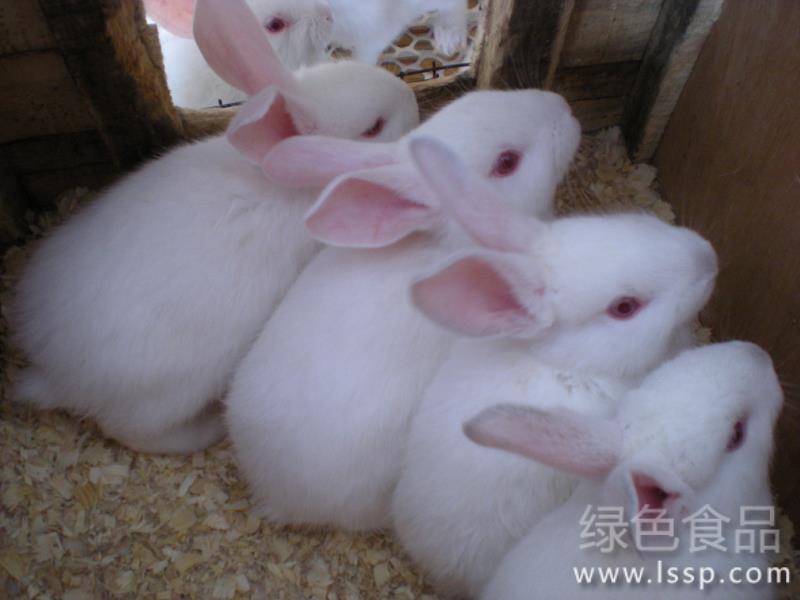
Angora rabbits cannot tolerate high summer temperatures; how can summer management be done well?
Summer heat is unsuitable for Angora rabbits; how can summer management of Angora rabbits be done well
-
Occurrence Patterns and Integrated Control Methods of Pests and Diseases in Goji Berry
Goji berry is a deciduous shrub of the genus Lycium in the Solanaceae family. Its fruit is called goji berry (Lycii Fructus), and its root bark is called Digupi (Lycii Cortex); both can be used as medicine. The tender stems and leaves are eaten as vegetables. It is distributed throughout China, mostly in the wild. The related species Lycium barbarum (Ningxia goji) is mostly cultivated; its fruit is called Xi goji or Gan goji and is used medicinally, mainly produced in Ningxia, Gansu and Inner Mongolia. Goji berry suffers from pests and diseases at every stage of growth, causing great economic losses to production. The occurrence and control methods of goji berry pests and diseases are introduced as follows: 1 Diseases 1.1 Black fruit disease (anthracnose) Main
-
How to remedy the lack of water in the substrate in the late stage of oyster mushroom production
The yield of the first flush of oyster mushrooms accounts for about 40% of the total yield. Generally, after harvesting the second flush, because the water in the substrate is almost used up, even if mushrooms can still appear, they are few, the fruiting bodies are thin and weak, the flesh is loose and dry, and the taste is poor. To increase the yield, the following methods can be used to replenish water and nutrient solution: (1) Standing-bag hole irrigation method: the soaking method requires a water container, but sometimes because the container is small or for other reasons it is inconvenient, so this method can be used. Stand the fungus bags upright on the floor of the mushroom house, pull up the edges of the plastic bags so that water can be retained after adding it, then
条件筛选