-

Detailed Explanation of Field Management Techniques for Rapeseed Cultivation
Field Management for Rapeseed Cultivation
-
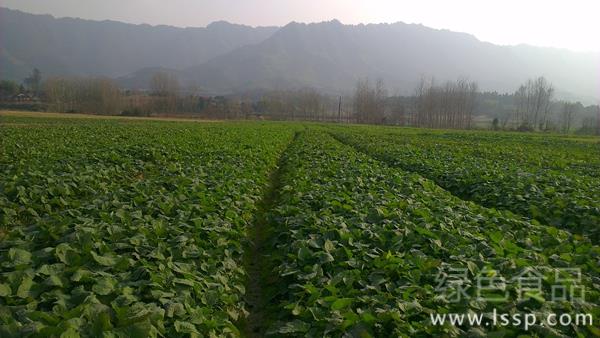
How should rapeseed be managed before winter to achieve strong seedlings and safe overwintering?
How to manage rapeseed before winter to achieve strong seedlings and safe overwintering
-

A Detailed Guide to the Planting Time and Methods of Rapeseed
The Planting Time and Methods of Rapeseed
-
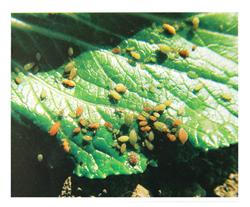
How to control aphids on rapeseed? These technical points need to be mastered
Aphids, commonly known as greasy bugs, are the main insect pest of rapeseed in Linxiang District, occurring in all major rapeseed-producing areas; when drought is severe in winter and spring, the pest is heavier in plots lacking irrigation conditions. Aphid damage mainly occurs from the bolting stage to the maturity stage of rapeseed, and untimely or improper control can cause a certain amount of yield loss. 1. Rapeseed aphids...
-
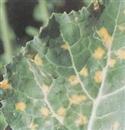
How to prevent and control rapeseed viral disease? A detailed practical guide
Viral disease is one of the main diseases of rapeseed. Affected plants reduce yield by around 20%, and in severe cases by more than 70%. It is generally more susceptible in years with little rain or in areas where vegetables are often grown nearby. Comprehensive control techniques must be adopted to prevent and control rapeseed viral disease. First, disease-resistant varieties should be selected; second, aphids should be controlled in a timely manner; third...
-

-
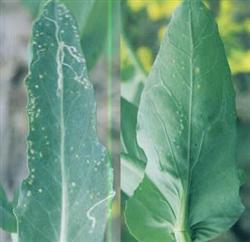
Comprehensive Control Techniques for White Rust of Rapeseed
The pathogen of rapeseed white rust is Albugo candida, a disease commonly occurring on rapeseed and cruciferous vegetables in the Yangtze River basin, often occurring together with rapeseed downy mildew on the same flower stalk. I. Symptoms: All aboveground organs of rapeseed are susceptible throughout the entire growth period. Pale green small spots first appear on the leaf surface, later turning yellow...
-
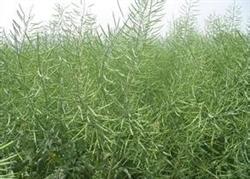
How to Fertilize Rapeseed for High Yield? A Detailed Guide to Practical Fertilization Methods
1. Apply seedling fertilizer early. In late November or early December, mainly use organic fertilizer, applying 1500-2000 kg of organic fertilizer per mu. For some fields with poor growth, an appropriate amount of chemical fertilizer should also be applied. 2. Apply stem-elongation fertilizer at the right time. Stem-elongation fertilizer should preferably be applied when the main stem bolts to 10 cm. For fields with good early seedling vigor, it may be slightly...
-
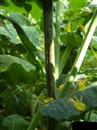
Leaf Color Diagnosis and Control Methods for Red and Yellow Seedlings in the Rapeseed Seedling Stage
Rapeseed stem rot, commonly known as "white stalk", "hemp stalk", "moldy root crown" and so on, is one of the main diseases affecting rapeseed growth. The control of rapeseed stem rot should focus on prevention, and the main technical control measures are as follows. 1. Prevent seed-borne infection: eliminate sclerotia and kill pathogens on seeds through screening, air separation, chemical seed dressing and other methods...
-
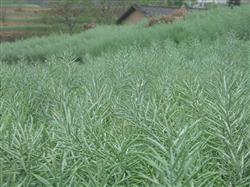
Weed Occurrence Characteristics and Control Methods in Rapeseed Fields
To obtain high quality and high yield in cultivated rapeseed, in addition to normal management such as timely sowing to secure seedlings, weeding and reducing waterlogging, skillful fertilizer application is the key to high yield. 1. Apply sufficient base fertilizer. Applying sufficient base fertilizer is the foundation for high rapeseed yield and should account for about 60% of the total for the whole growing period. To achieve a yield target of about 250 kg per mu, for medium-fertility...
条件筛选