-

What are the methods for preventing late spring cold damage in fruit trees
How to prevent late spring cold damage in fruit trees
-
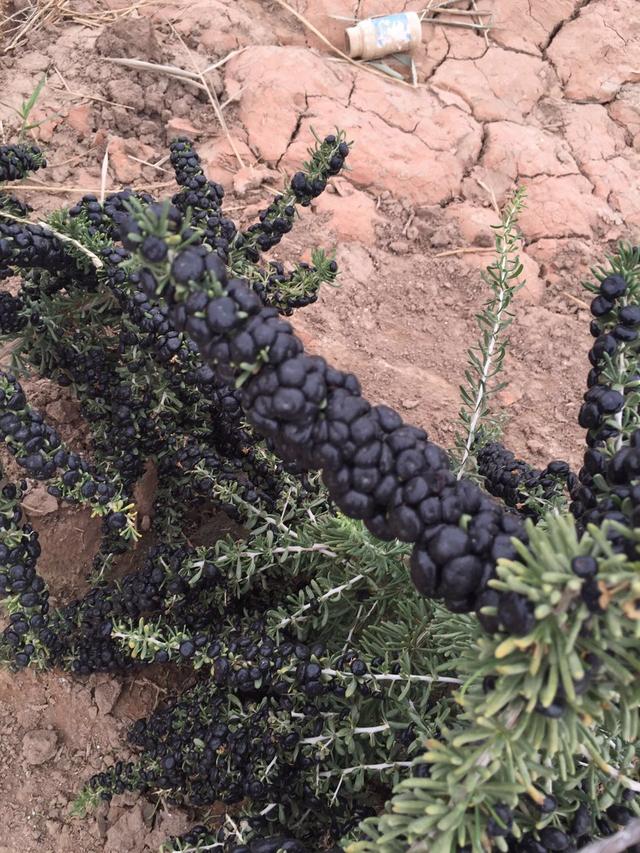
Methods for preventing and controlling stem rot in black goji berry cultivation
As midsummer arrives, farmers have already entered a state of readiness in advance (the picking season is here). Some are happy, some are worried. A bountiful harvest brings joy but also troubles...
-

Spring pig farming: pay attention to preventing vitamin deficiencies
Vitamin A deficiency: use 20 grams of pine needles, crush them for juice or boil them for juice, mix into the feed and give once, once a day, for several days in a row; you can also feed more carrots, silage and other feed rich in vitamin A. Vitamin B deficiency: when preparing daily feed, pay attention to fully supplying bran, silage, sprouted feed and others rich in vitamin B. If corn is used as feed for a long time, it can cause niacin deficiency. The amount of corn in the feed should be reduced and bran, silage, sprouted feed and juicy tuber feed should be increased.
-
Methods for preventing and controlling rice seedling stunting and key technical points
The main causes of rice seedling stunting are three types: phosphorus deficiency stunting, zinc deficiency stunting, and saline-alkali damage stunting. The main prevention and control methods are: 1. Phosphorus deficiency stunting generally occurs during the tillering stage after seedling recovery, manifesting as slow growth, short plants, slender and upright leaves, dark green leaf color, neat leaf cluster tips, significantly shortened leaf sheath distance, partial tillering, red leaf tips, and old leaves turning brownish-red or even dying. The main causes are (1) soil lacking available phosphorus; (2) low soil temperature, low water temperature, or soil containing hydrogen sulfide, ferrous iron
-
What are the common methods for preventing and controlling cherry blossom pests and diseases?
There are many types of cherry blossom pests and diseases. The common ones are described below: Perforation-type brown spot disease occurs in May and June. Small purple-brown spots appear on the leaves, then gradually expand into circles. After the diseased spots dry and shrink, they become small holes. The pathogen mostly overwinters on diseased branches and leaves. The optimum temperature for its development is 25°C to 28°C. It spreads by wind, and rainy seasons favor infection and disease development. When the tree is weak, drainage is poor, and ventilation and light penetration are poor, the disease occurs severely. Control methods: (1) Strengthen cultivation management, prune and trim reasonably
-
Preventing Sprouting in Stored Potatoes
To prevent potatoes from sprouting during storage, spray 2000-3000 ppm of maleic hydrazide in the field during the late growth stage; alternatively, one week before harvest, spray the whole plant with 500-1000 ppm of 2,4,5-T to extend the dormancy period and storage life; spraying the whole plant with a mixture of 3000 ppm maleic hydrazide and 300 ppm 2,4,5-T 2-3 weeks before harvest gives an even better sprout-prevention effect. In addition, after the potatoes are harvested, spray methyl naphthaleneacetate onto dry soil, then
-
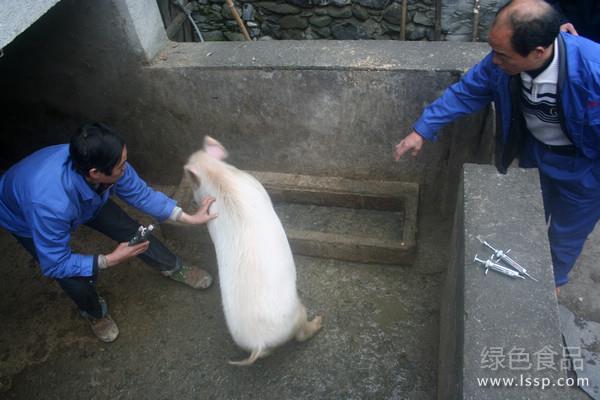
Precautions for Preventing Adverse Reactions During Livestock Immunization
Precautions for Preventing Adverse Reactions in Livestock Immunization
-
Detailed Explanation of Key Techniques for Preventing and Controlling Mushroom Dead Button Disease
Mushroom dead button refers to the phenomenon in which small mushrooms on the mushroom bed shrink, turn yellow, and die. The appearance of withered mushrooms in patches or batches can severely affect yield. 1. Causes of dead button: ① Temperatures too high in late autumn (exceeding 23°C), or during the spring fruiting period when temperatures rise too high and too quickly (several consecutive days at 21°C), causing small mushroom buttons to shrink and die from nutrient deficiency. ② Poor ventilation in the mushroom house, insufficient o2 and excessively high co2 concentration, and the heat generated by metabolism cannot be dissipated quickly, causing small mushroom buttons to die in batches from insufficient oxygen supply or high temperature. ③
-
Detailed Explanation of Technical Measures for Preventing Broiler Chick Mortality
Broiler chicks grow and develop relatively quickly and have high nutritional requirements. During the chick stage, their body temperature regulation function is not fully developed, and their resistance to disease is weak. Therefore, they must be given careful care; the slightest negligence can lead to various diseases and death. In production, preventive measures must be taken to reduce losses. 1. Strictly follow the immunization program and vaccinate in a timely manner. Chicks raised in large groups in confinement are prone to illness with the slightest inattention, especially Marek's disease, Newcastle disease, infectious bursal disease, infectious bronchitis and other diseases. Once these infectious diseases spread, they are very
-
What are the methods for preventing and controlling soybean flower and pod drop?
1. Reasonable topdressing. Usually, soybean is topdressed once with nitrogen fertilizer at the early flowering stage, which can reduce the rate of flower and pod drop, extend the lifespan of the plants, increase grain weight, and raise yield. Generally, 150-230 kg of ammonium nitrate or 120-180 kg of urea can be applied per hectare; at the flowering and podding stage, foliar topdressing can be carried out, using 0.5 kg of urea, 1.5 kg of superphosphate, 0.3 kg of potassium sulfate, and 30 g of borax per mu, adding 50 kg of water, extracting the leachate, and spraying it on the leaf surface, which helps preserve flowers, increase pods and grains, and raise the 100-
条件筛选