-
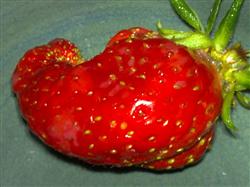
How to scientifically prevent and control strawberry pests and diseases? A full analysis of methods and techniques
Under normal growth management of greenhouse-cultivated strawberries, deformed fruit accounts for 10%-20%. However, when varieties are improperly selected or the ecological environment does not meet the growth needs of strawberries, the proportion of deformed fruit often increases, sometimes reaching as high as about 50%, resulting in reduced yield and low returns. Common deformed fruits include crooked and flat fruit, plump fruit, aggregate fruit, protruding...
-

How to prevent and control jujube tree rust disease? Mastering integrated control techniques is key
Jujube rust disease, also known as jujube mist, often causes massive leaf drop during the fruit expansion stage. Diseased trees produce shriveled jujube fruits with reduced sugar content in the flesh, most of which are inedible. Due to the damage caused by rust disease, serious yield reductions occur, variety quality deteriorates, and farmers' economic income is directly affected. Severely diseased trees that drop leaves early will sprout a second time, affecting the...
-
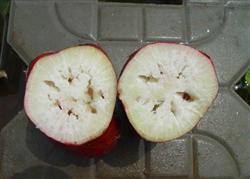
How to prevent hollow radishes? These growing techniques you need to master
Hollow heart in radishes is closely related to poor soil drainage, uneven application of base fertilizer and top dressing, or top dressing applied too late, and leaf growth stopping too early. Through intensive cultivation, applying fertilizer evenly according to the fertilizer requirements of radishes and supplying water in a balanced way, the radish plants are encouraged to grow normally. The fleshy root forms under stable conditions, and hollow heart...
-
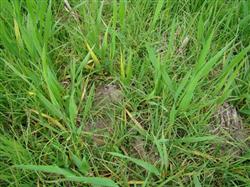
Detailed Explanation of the Key Technical Points of the "One Spray, Three Preventions" in the Late Stage of Wheat
I. Disease Occurrence Pattern Wheat rosette dwarf disease is a viral disease spread by the vector Laodelphax striatellus (small brown planthopper). The small brown planthopper has two peak periods of virus transmission and infection on wheat: the first peak period is after wheat emergence, and the second peak period is after wheat turns green again. As the temperature gradually rises, the overwintering generation of the small brown planthopper begins to move and feed on wheat seedlings, spreading...
-
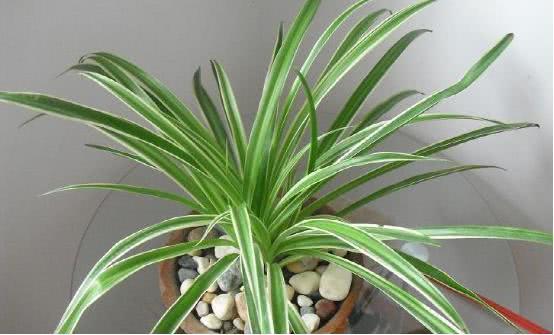
How to prevent and control pests and diseases in spider plants? A few practical tips for you
Depending on where spider plants are grown, the pest and disease problems they face will differ. What exactly are the differences? That is something you will need to explore in detail. Well, enough rambling, let's get straight into today's topic, or you'll be getting impatient waiting...
-
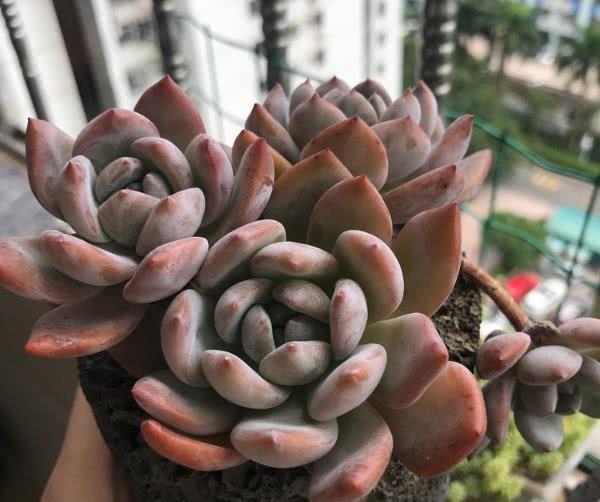
Put sand on top of succulent pots: it prevents mosquitoes and insects and stops root rot
Everyone knows sand can be used for cuttings, mixing into soil, and lining the bottom of pots, but did you know it can also be spread on the pot surface? Using sand as a top dressing not only lets water and air through and prevents root rot, but also keeps mosquitoes and insects away, and best of all, it looks super beautiful when used to grow succulents...
-
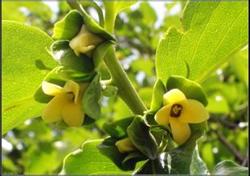
Persimmon Tree Disease Prevention and Control Methods and Key Technical Points
Fertilizer and water management during the flowering period in an ecological persimmon orchard is an indispensable specific measure. Its purpose is to push the persimmon tree's growth rhythm to a peak. By emphasizing nutrient supply, it achieves the best effect in preserving flowers and fruit. In this way, all inappropriate means and measures in the management of the persimmon orchard during the flowering period are eliminated. It not only effectively...
-
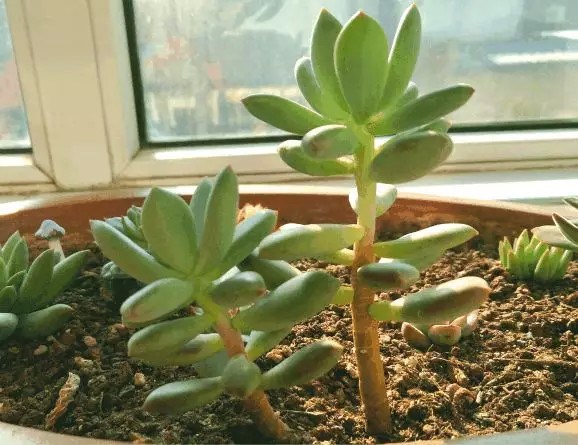
Don't Rush to Behead Leggy Succulents - They Actually Have 5 Benefits, Including Preventing Black Rot and Boosting Side Shoots
When caring for succulents, growers least want them to become leggy. Once a plump, cute, compact succulent turns into a tall, spindly specimen, its looks plummet several times over! But a leggy succulent is not entirely without merit. Today, Huahua will walk you through...
-
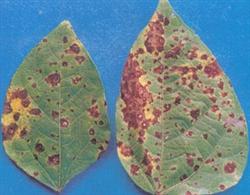
How to prevent and control mung bean leaf spot disease? Detailed explanation of control methods
1. Choose disease-resistant varieties, plant at a reasonable density, and ensure good ventilation in the field. 2. Strengthen field management, and pay attention to draining or dispersing soil moisture after heavy rain. 3. At the early stage of the disease, choose 70% mancozeb 500x solution, or 41% Texiao Shajunwang 2000x solution, or 20% Landi 500x solution for spray control. Spray once every 7 to 10 days, spraying continuously...
-
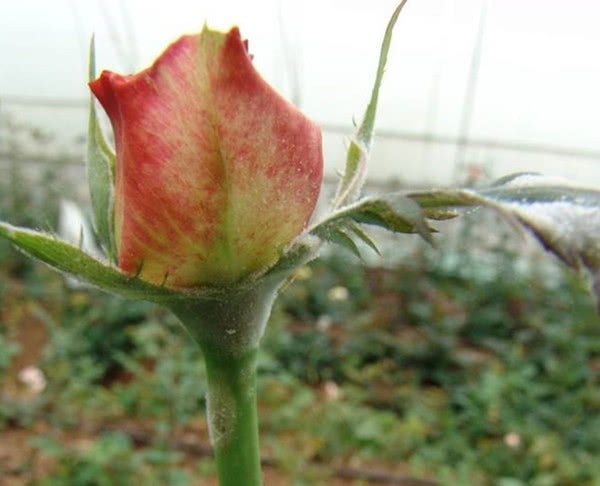
What are the common pests and diseases of roses? A detailed guide to prevention and control methods
Roses originated in China and were introduced abroad as early as 200 years ago. Through long-term crossbreeding and selection by European and American horticulturists, modern roses have developed to more than 20,000 varieties. Roses are cold-resistant and highly adaptable, suitable for both ground planting and container growing, so they are widely cultivated around the world...
条件筛选