How to prevent and control pests and diseases in spider plants? A few practical tips for you
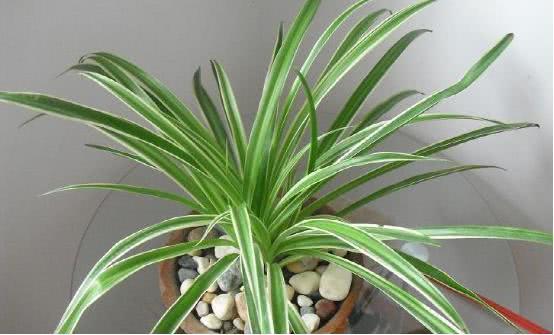
Depending on where spider plants are grown, the pest and disease problems they face will differ. What exactly are the differences? That is something you will need to explore in detail. Well, enough rambling, let's get straight into today's topic, or you'll be getting impatient waiting.
For spider plants kept indoors, illness is extremely rare or simply does not happen. First of all, the environment is relatively clean, so they do not pick up any bugs, and therefore rarely get sick. But whether grown indoors or outdoors, there is always a chance of pest and disease problems. As the saying goes, anything is possible. So what should you do when pests and diseases strike?
Check regularly
You need to pay attention to your spider plant from time to time and give it a regular health check, with the patience and care you would give a child. If you find bugs on it, promptly wipe away scale insects, whiteflies and the like from the leaves.
Spray insecticide
If there are bugs, the most effective solution is to spray insecticide, which you can buy on the market, but pay attention to the dosage and what it targets. If the bugs are on the surface of the spider plant, one spray will solve it, but if there are eggs in the soil, you will need to spray multiple times.
Replace the soil
Since the spider plant's problem is caused by eggs and bugs in the soil, replacing the soil is a fairly thorough solution. So the most fundamental fix is to replace the soil and prevent them from continuously breeding. The new potting soil needs to be sterilised before use.
Physiological disorders
Generally speaking, spider plants have few pests and diseases; the main issues are physiological disorders such as leaves turning yellow for no apparent reason, with symptoms of yellowing at the leaf tips, which can be addressed by strengthening fertiliser and water management. Here are a few key points: grasp the four essentials of preferring cool shade, frequent misting, regular fertilising and regular repotting, and growing a beautiful spider plant will be no trouble at all.
Root drenching
Spider plants are not prone to pests and diseases, but there are exceptions. If the potting soil is waterlogged and ventilation is poor, besides causing root rot, root rot disease may also occur. At this point you can drench the roots with a 500-800 times dilution of carbendazim wettable powder, once a week, for 2-3 consecutive applications. In addition, you need to remove diseased leaves and ensure good ventilation. Soilless cutting seedlings generally do not develop root rot after planting, so you can relax.