Detailed Explanation of the Key Technical Points of the "One Spray, Three Preventions" in the Late Stage of Wheat
I. Disease Occurrence Pattern Wheat rosette dwarf disease is a viral disease spread by the vector Laodelphax striatellus (small brown planthopper). The small brown planthopper has two peak periods of virus transmission and infection on wheat: the first peak period is after wheat emergence, and the second peak period is after wheat turns green again. As the temperature gradually rises, the overwintering generation of the small brown planthopper begins to move and feed on wheat seedlings, spreading...
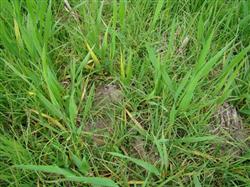 The late growth stage of wheat is the main period when various diseases and pests occur, mainly including wheat aphids, wheat red spiders, wheat sawflies, rust disease, powdery mildew, leaf blight, fusarium head blight, etc. In order to simplify operations, disease and pest control can be combined with foliar fertilization, that is, fungicides, insecticides, and foliar fertilizers applied together, which can simultaneously achieve disease prevention, pest prevention, and prevention of dry hot winds, the "one spray, three preventions" effect. Currently commonly used foliar fertilizers mainly include 0.2%-0.3% potassium dihydrogen phosphate solution, 0.2% Tianda 2116 plant cell membrane stabilizer solution, and 1%-3% urea solution. Foliar topdressing is best carried out after 4 PM on sunny days, with a second spray at an interval of 7-10 days, for 2-3 consecutive sprays. If rain occurs within 24 hours after spraying, one additional spray should be applied. To control wheat spiders, 0.9% abamectin emulsifiable concentrate can be sprayed at 3000 times dilution; to control wheat blossom midges, during the peak occurrence of adults from wheat heading to early flowering, use 50% beta-cypermethrin emulsifiable concentrate 20-30 ml per mu mixed with water for spraying, which also controls the first generation of cotton bollworm; to control wheat aphids, use 10% imidacloprid emulsifiable concentrate 10-15 g per mu for spraying, which also controls the small brown planthopper; to control sheath blight, use 5% jinggangmycin aqueous solution 150-200 ml per mu mixed with 75-100 kg of water to spray the base of wheat stems, with a second spray at an interval of 10-15 days; to control powdery mildew and rust disease, use 20% triadimefon emulsifiable concentrate 50-75 ml per mu for spraying; to control fusarium head blight, leaf blight, and glume blight, use 50% carbendazim wettable powder 75-100 g per mu for spraying. When the above diseases and pests occur together, the corresponding agents can be mixed and applied in a single combined spray for control.