-
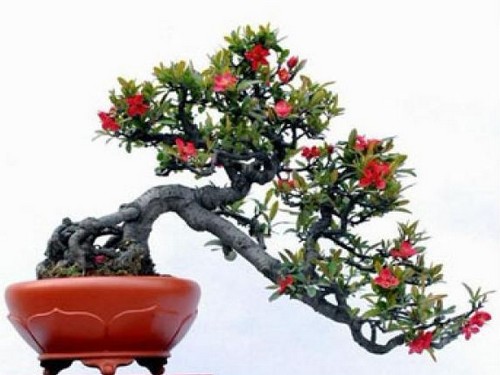
How to fertilize Chaenomeles speciosa bonsai? A full breakdown of practical tips
Chaenomeles speciosa (flowering quince) has a very long history of cultivation in China. According to research, the "mao" mentioned in the Erya is this plant. The flowers of Chaenomeles speciosa come in diverse colors, including vermilion, peach red, and moon white, and some cultivars have petals mottled with pink and white; moreover, its petals are smooth and translucent, making it very beautiful. Its branches are dark black, curving like iron wire
-
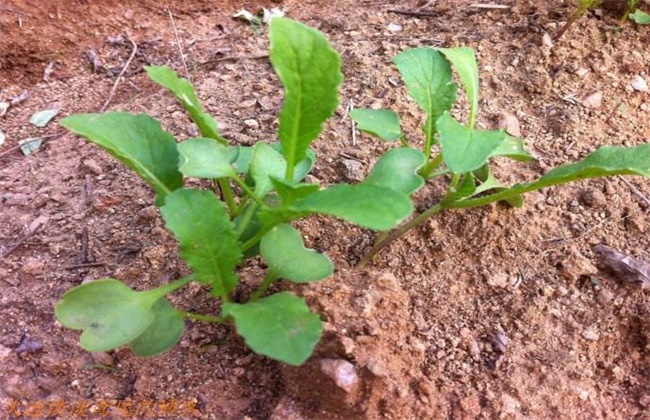
What to Do About Radish Seedling Death? A Detailed Guide to Practical Control Methods
Control Methods for Radish Seedling Death
-
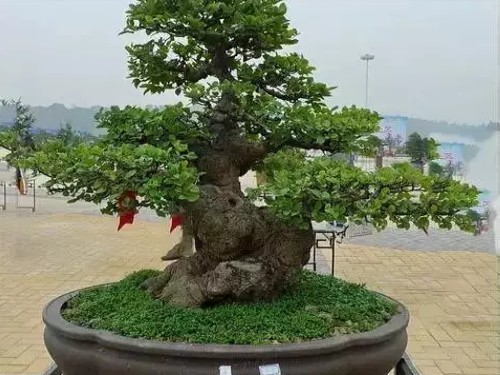
How to Water a Black Bone Tea Bonsai? A Full Guide to Practical Tips
I recently bought a few mature black bone tea (Dracaena cambodiana) stumps from Guangdong. According to the seller, I should water them every day, pouring water over the leaves and branches as well. At the time I did not think much about it, so I watered them every single day, and when I saw the leaves and trunks were dry I also misted them. The potting soil was acidic loess mixed with 3 parts sand, with some nutrient soil blended in. A week later, the leaves on two of them had lost their vigor.
-

How to shape a five-needle pine bonsai? A detailed guide to practical methods
The five-needle pine is a sun-loving tree species that prefers fertile, loose, acidic soil. It is widely cultivated, with fine, dense, deep-green foliage. It is suitable both for garden accents and group plantings, and is also an important tree species for potted cultivation or bonsai. Shaping the five-needle pine should begin from the young tree stage and be carried out in winter
-
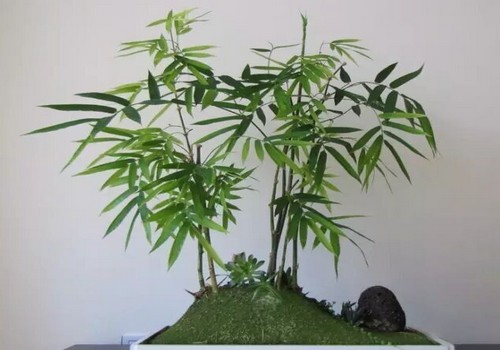
How to Dwarf and Shape Bamboo Bonsai? A Detailed Guide to Practical Techniques
Bamboo sprouts and grows quickly, so regular pruning is necessary to keep the bamboo bonsai looking graceful. Each year between June and July, once the new bamboo has finished growing, carry out renewal and shaping pruning. Any new shoots that emerge afterward should be removed immediately, so they do not disrupt the shape of the bamboo bonsai, consume nutrients, and affect the vigor of the parent bamboo.
-
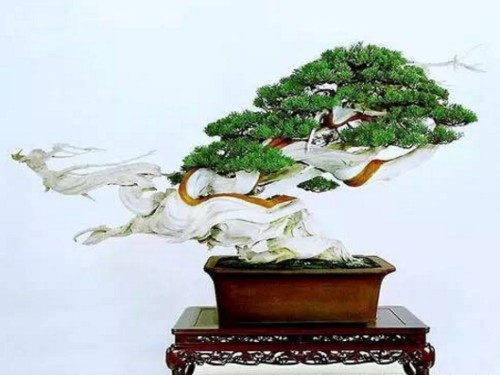
How to Grow a Cypress Bonsai Well? A Complete Guide to Practical Care Tips
Cypress, an evergreen tree, has long been used as a potted plant for indoor and courtyard ornamental display. Its unique leaf structure, in which leaves alternate in shedding and regrowth in a way that is hard to notice, gives it a sense of lasting evergreen vitality. Take the Chinese juniper (Juniperus chinensis), for example: its branches are dense and its leaves fine, its trunk form is twisted and curved, and its small branches rise upward to form dense clumps, giving it an elegantly antique and unusual posture.
-
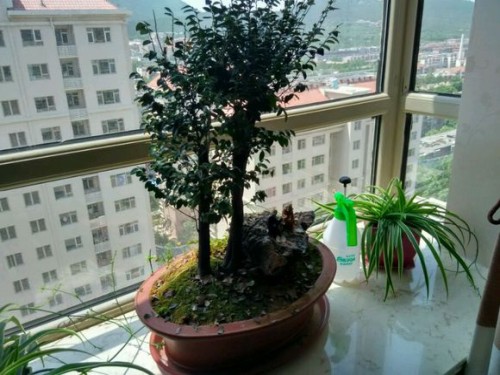
How to Shape a Podocarpus Bonsai? Practical Tips and Methods Explained
The Podocarpus bonsai has a lush, elegant, and vigorous tree form with an ancient, sturdy appearance. Its leaves stay fresh green in all four seasons, giving a sense of strength and noble purity. If attached to rocks and shaped into an eagle-claw-embracing-stone posture, it becomes even more antique and unique. A Podocarpus combined with bamboo and stones creates an extremely elegant landscape. A forest-style Podocarpus bonsai, paired with grazing scenery, can give people the enjoyment of rustic charm
-
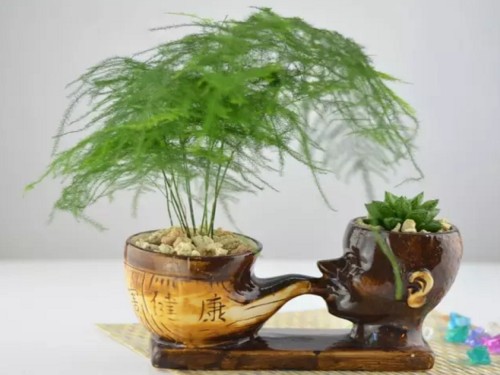
How to shape an asparagus fern bonsai? Practical shaping methods taught to you
Asparagus fern, also known as cloud-pine fern, spiny asparagus, and cloud bamboo, is an evergreen foliage plant with high ornamental value. It is Asparagus plumosus of the genus Asparagus in the family Liliaceae. The roots of asparagus fern can be used as medicine, having effects in treating acute bronchitis and relieving cough, and possessing the function of moistening the lungs. It is mainly grown in pots for its foliage, and is also an important cut-foliage material
-
How to control aphids on cowpeas? All the practical methods are here
Aphid control methods for cowpeas
-
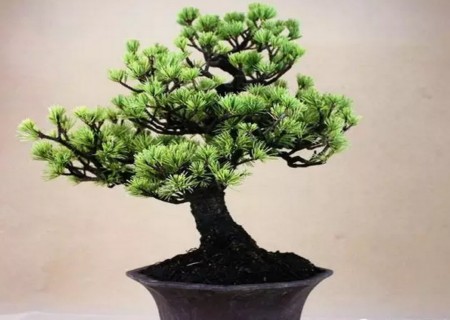
How should you water a five-needle pine bonsai? Practical watering tips shared
The five-needle pine has an upright posture and is a tree species with high ornamental value. It is suitable both for decorating gardens and as an important species for potted plants or bonsai. In bonsai making, the tree's posture must be maintained well and the growth of branches and leaves controlled, so as to achieve a shape with short, dense and vigorous branches and leaves. Today the editor will introduce the watering techniques for five-needle pine bonsai.
条件筛选