-

How to Explore Keelung's Fishing Port Docks? Practical Tips for Picking Fresh Seafood
Visiting a fishing port dock is not just about sightseeing; it is also a great chance to buy first-hand fresh seafood. This article shares practical tips on things to note when visiting a fishing port, how to pick fish by looking at the eyes, gills, and flesh and smelling the odor, and how to preserve your catch, so you can explore the docks without falling into traps.
-
A Guide to the Basic Parameters of Sugarcane Harvesters and Practical Tips for Growers Choosing a Machine
How do you read the basic parameters of a sugarcane harvester? This article explains the meaning of core indicators such as engine power, row-spacing compatibility, loss rate and trash content, and shows you how to choose a suitable sugarcane harvester based on field conditions, purchase subsidies and after-sales service.
-

How to Rescue an Overwatered Phalaenopsis with Root Rot? Practical Tips to Share
Friends who grow Phalaenopsis, nine out of ten fail at "watering" - watering a little every few days, and then one day you look and the leaves are limp and droopy, the pot even smells bad, and when you pull it out the roots are all rotted! Actually, root rot isn't a terminal illness; as long as you deal with it in time, there's a good chance you can save it. The thing about Phalaenopsis root rot is, it's like a person who ate too much and gets bloated
-

How to humidify Phalaenopsis orchids in the north? Practical ways to maintain indoor humidity
For gardening friends in the north growing Phalaenopsis orchids, the biggest headache is probably the humidity problem - clearly light and watering are done according to tutorials, yet the orchid leaves are still dry and shriveled, and may even have root rot. In the end, it is simply that the air is too dry! Phalaenopsis orchids are native to tropical forests and are used to a humid environment of 60%-80%. In our north, once the winter heating is turned on,
-

Watering Methods and Practical Analysis of Root-Control Pots for Phalaenopsis Orchids
When it comes to growing Phalaenopsis orchids, choosing a pot is a big deal, and lately many flower enthusiasts have become fans of root-control pots. These things look different from ordinary flower pots, with lots of holes at the bottom and ventilation slots on the sides, but are they actually any good? And how should you water with them? What is the most frustrating thing about growing Phalaenopsis orchids? Root rot! Ordinary flower pots are stuffy, and with just a little too much water
-
How to make Phalaenopsis (moth orchid) grow roots quickly? Practical rooting tips and methods
Want your Phalaenopsis to have strong roots and new roots sprouting fast! From root-promoting methods to care and management, this step-by-step guide shows you how to grow roots quickly. 1. Root-promoting methods 1. Upside-down method: Place the Phalaenopsis head-down in a container, with the leaves immersed in water, and avoid direct strong light. Change the water every 2-3 days, and use scattered light to promote photosynthesis and stim
-

Is enclosed growing good for Phalaenopsis orchids? Practical care methods and experience sharing
Whenever a holiday comes around, everyone likes to place Phalaenopsis orchids in the living room, because their flowers are elegant and their meaning fits the auspicious idea of happiness and contentment. However, although they cater to all kinds of preferences, not everyone knows how to care for them, and some flower lovers even ask in frustration whether they are better kept under enclosed growing or normal growing. What is enclosed
-
How to shape a Phalaenopsis orchid flower spike that has grown too long? A detailed practical tutorial
Anyone who grows Phalaenopsis orchids at home has surely run into this situation: the flower spike keeps growing and growing, getting really long, and at that point you have to shape it, otherwise it flops all over the place and looks really messy. Here is a rundown of exactly what to do. First you need to understand the growth characteristics of the Phalaenopsis flower spike. This spike emerges from between the leaves and the stem
-

Why Are Succulents Afraid of the Cold? Practical Frost Protection Tips Shared
In the cold winter, many succulents struggle to withstand the onslaught of low temperatures. This article explores why succulents are afraid of the cold and introduces several practical frost protection techniques to help succulents survive the winter safely. Most succulents originate from tropical or subtropical regions, where the climate is warm and humid, making it very suitable for succulents
-
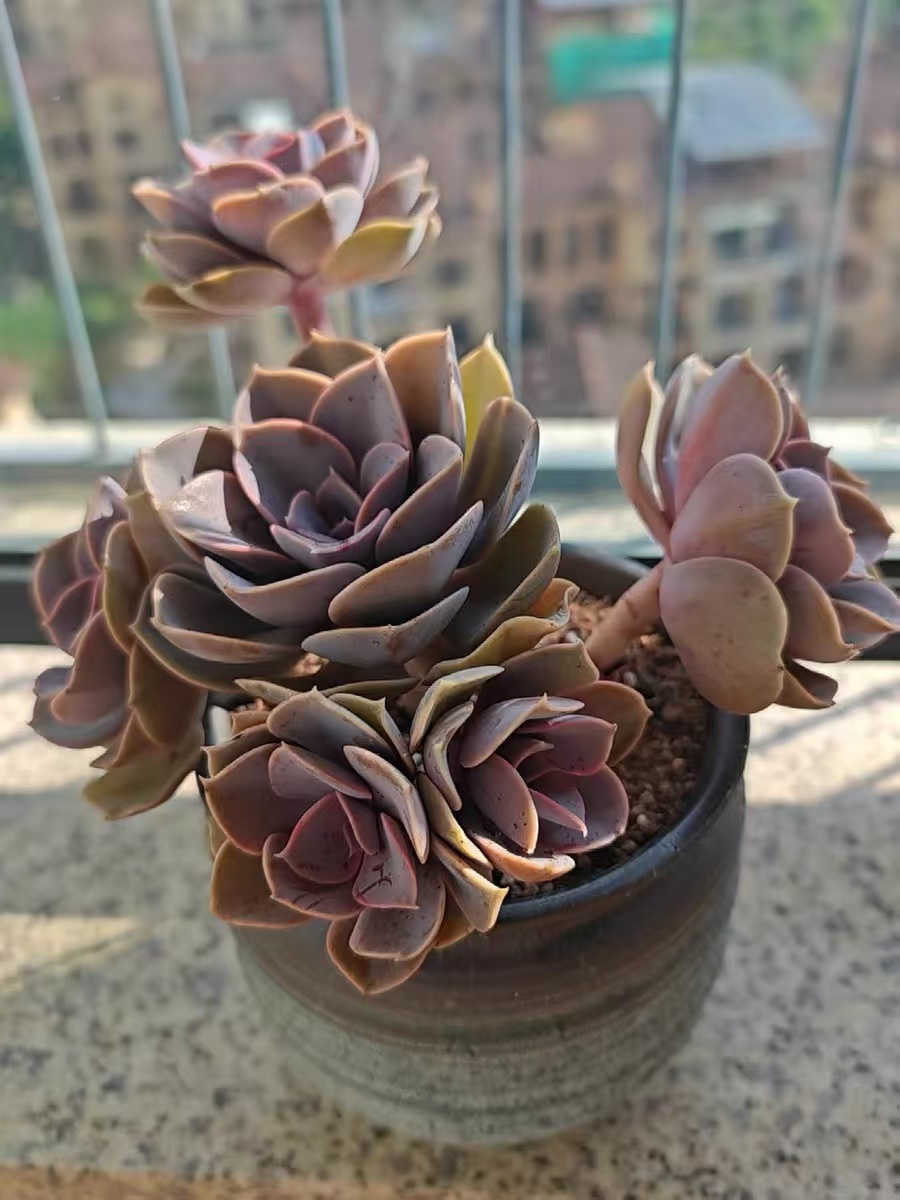
What are the practical anti-freezing techniques for succulent plants?
In the cold winter, many succulent plants find it difficult to resist the invasion of low temperatures. This article will explore the reasons why succulent
条件筛选