-
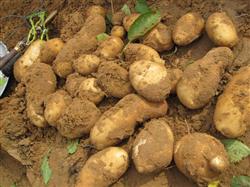
What are the methods to increase potato yield? Practical growing tips shared
What methods are there to increase potato yield? We also ask netizens with potato growing experience to give a detailed introduction. Potato is also known as yam, potato, yam egg, etc. It has the functions of both grain and vegetable, and together with rice, wheat, corn and sorghum is known as one of the world's five major crops. Because potato nutrients are complete and easily absorbed by the human body...
-
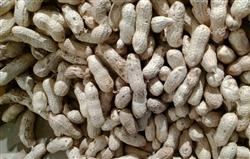
How to choose peanut seeds? Practical selection tips shared
How do you choose peanut seeds? What methods can distinguish good peanut seeds from bad ones? We also ask experienced readers to help explain. The nutritional value of peanuts is so high that even some animal-based foods known as premium nutritional products, such as eggs, milk, and meat, are outmatched by peanuts. Therefore, peanuts are grown in China in Shanxi,...
-
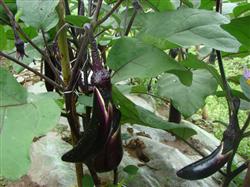
How to Apply Top Dressing to Over-Summer Eggplants? Practical Fertilization Tips Shared
How to apply top dressing to over-summer eggplants? Here is an introduction to the methods you can refer to for top dressing over-summer eggplants: 1. Proper amount. Eggplants have the highest demand for nitrogen fertilizer, but in the high-temperature season, they should be fed small amounts more frequently. Each application of urea per 667 sq m should generally be kept within 30 kg. Because in the high-temperature season, urea transforms relatively quickly after being applied to the soil...
-
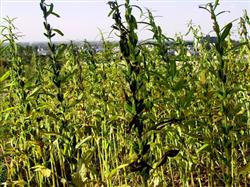
How to prevent lodging when growing sesame? Introduction to practical tips
What common diseases affect sesame? An introduction to the common diseases of sesame: 1. The main diseases of sesame 1. Sesame stem spot blight Sesame stem spot blight, commonly known as "black root disease" or "black stalk disease," is the most important disease in sesame production, generally affecting 10%-15% of plants, and up to 60%-80% in severe cases, mainly occurring when sesame is flowering...
-
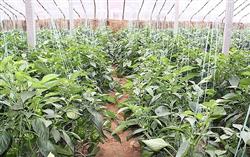
How to Fertilize Bell Peppers to Increase Yield? Practical Tips Shared
How can bell peppers be fertilized to increase yield? Please explain the fertilization methods. Bell peppers have a long growing period, an underdeveloped root system, few roots, and shallow soil penetration, and they are neither drought-tolerant nor waterlogging-tolerant. Their fertilizer requirement is greater than that of tomatoes and eggplants, and they have a strong tolerance for fertilizer. The fertilizer requirement characteristics of bell peppers are the highest potassium uptake, followed by nitrogen, and the lowest phosphorus. In vegetables, bell peppers...
-
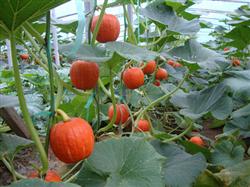
What are the ways to increase pumpkin yields? Practical tips shared
What are the ways to increase pumpkin yields? Please introduce a few useful ones. To increase pumpkin yields, besides selecting excellent varieties, sowing at the right time, and fertilizing reasonably, during the cultivation and management process, you can refer to the following methods: Pinching the top: when the vine grows to 2 m, remove the growing point of the main vine, and 3 to 4 side vines will grow....
-
How to carry out spring soybean cultivation and management? Sharing practical tips
1. Variety selection. According to the local ecological type and market demand, select approved (recognized) varieties with a suitable maturity period, high yield, good quality and strong stress resistance according to local conditions, such as Xiangchundou No. 21, Xiangchundou No. 22, Xiangchundou No. 23, etc. Replace the seed once every 3 years. 2. Seed treatment. For planting in acidic soil...
-

What are the methods to increase corn yield? Practical yield-boosting tips
How to increase corn yield
-
How to grow summer radishes for high yields? Practical growing tips to share
How can summer radishes be grown for high yields? Please explain the growing method. To get a high yield when growing summer radishes, you can refer to the following growing methods: 1. Choose good varieties. Selecting the right improved variety is the prerequisite for getting high quality and high yields from over-summer radishes. Therefore, when cultivating radishes in the high-temperature seasons of midsummer and early autumn, you must choose heat-tolerant...
-
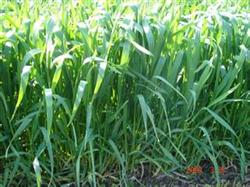
How to prevent and control wheat pests and diseases after spring? Practical tips are here
March 20 is "Spring Equinox," the day that falls exactly at the midpoint of the 90 days of spring, hence the name. There is a folk saying, "Spring Equinox and Autumn Equinox, day and night are equally divided." After the Spring Equinox, days grow longer and nights shorter, and temperatures gradually rise. "Spring Equinox" has an important influence on agricultural production activities. For the north, the Spring Equinox is the beginning of spring, ...
条件筛选