-
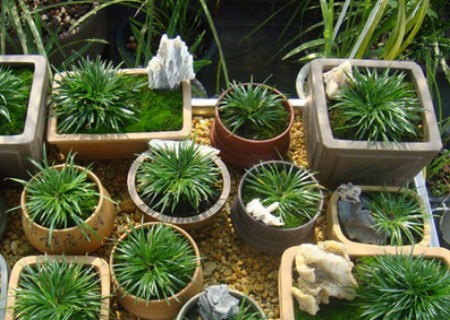
How to care for Acorus gramineus in winter? Master these key points for a safe overwintering
Since ancient times, Acorus gramineus has been regarded as a kind of spiritual herb with the effect of preventing epidemics and warding off evil. But at the same time, it is also a traditional flowering plant, suitable for pot cultivation and growing as a bonsai for viewing, very likable, and in recent years it has been continuously popular on the flower market
-

What is the overwintering temperature for grafted osmanthus on fringe tree rootstock?
The fringe tree (Chionanthus retusus), also known as April snow, is a relatively rare and precious protected tree species. In summer, its entire canopy is covered with white flowers, like a blanket of snow, clear and delightful. The fringe tree can not only be grown in pots, but can also be made into stump bonsai, and is moreover an excellent rootstock for grafting osmanthus.
-
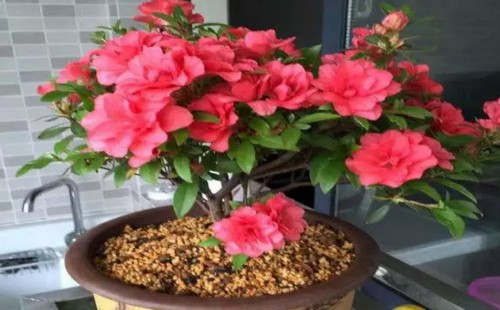
How to overwinter Satsuki azalea bonsai? A full analysis of winter care techniques
The ornamental effect of Satsuki azalea bonsai is often directly linked to and influenced by whether the growing environment is suitable and whether the care and management methods are scientific and reasonable. Since Satsuki azalea is a variety of azalea, it retains or inherits many of the habits and characteristics of azaleas, so the care and management work differs only in subtle ways
-
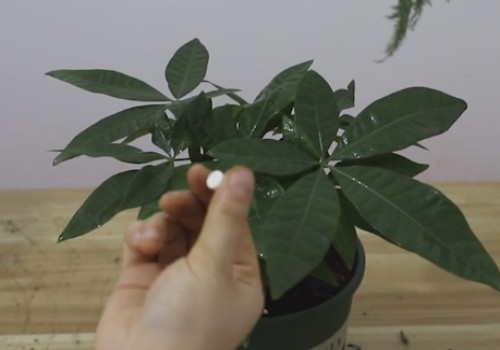
Overwintering care methods for the money tree to help it get through winter safely
Winter has already arrived, and the temperature has been dropping continuously lately, which is a tormenting thing for friends who are sensitive to the cold. But for a plant like the money tree (Pachira aquatica) that loves a warm growing environment, isn't it the same? A little carelessness may cause the money tree to develop yellow leaves, withering and other such phenomena
-
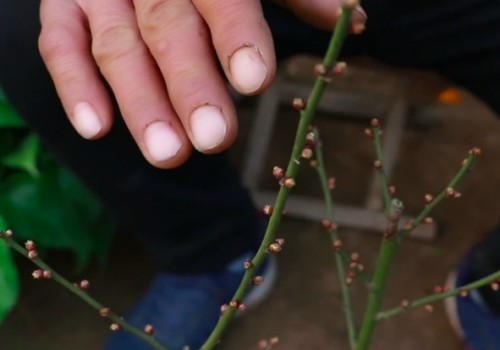
How to care for a bonsai plum blossom in winter so it can overwinter safely?
Plum blossoms usually bloom at the turn of winter and spring. Because their flowers are very fragrant, colorful and lovely, they are often quite suitable for ordinary people to grow as potted plants at home. But in the eyes of bonsai masters, the plum blossom is an excellent material for making bonsai.
-
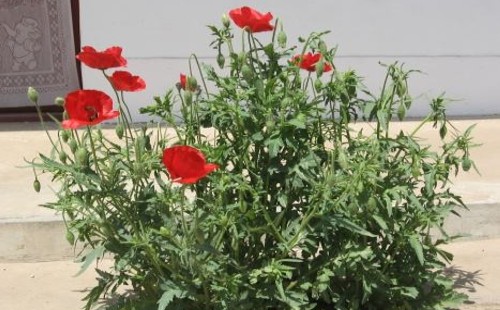
Can Corn Poppies Be Planted in Summer? A Detailed Guide to Winter Overwintering Methods
The corn poppy (Papaver rhoeas), a beautiful green plant with gorgeous blooms, is deeply loved by people for its high ornamental value. Moreover, the corn poppy has a relatively long flowering period, usually blooming from March in spring to August in summer, lasting nearly half a year. Therefore, whether used for landscaping or grown in pots, it is a good choice. So
-

How to care for rosemary in winter? Master these methods for safe overwintering
Is rosemary no good? Then your method is wrong! Rosemary originated in the Mediterranean, and rosemary also gives off a scent. Today, many people like to grow some rosemary as a herb, for the aroma it gives off, and it also provides activity for our brain cells. But how to propagate rosemary is also a problem
-
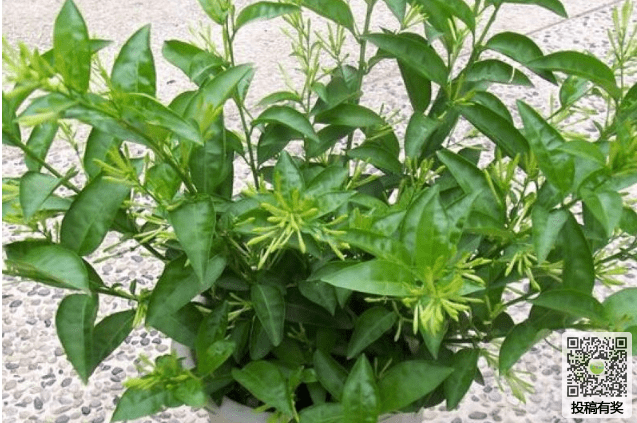
How to care for night-blooming jasmine (Cestrum nocturnum) in winter? A detailed guide to safe overwintering and care methods
It is a flower that likes to bloom at night, with a very strong fragrance that can carry for miles, but flowers with a heavy scent are not suitable for people to live around, so pay attention to moving it indoors in winter. Put it in a room where no one stays. Below, the editor introduces the safe overwintering and care methods for night-blooming jasmine in winter, and hopes everyone enjoys it
-
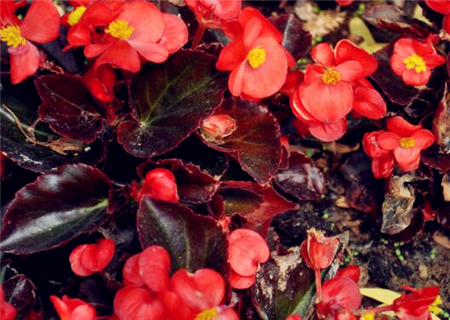
When does wax begonia bloom? How to make it bloom year-round and overwinter safely
Wax begonia, also known as perpetual begonia, is a plant of the genus Begonia in the family Begoniaceae. Wax begonia is the most common and most widely cultivated species among begonias. So when does wax begonia bloom? How do you make it bloom year-round? And what is the best way to care for it in winter?
-
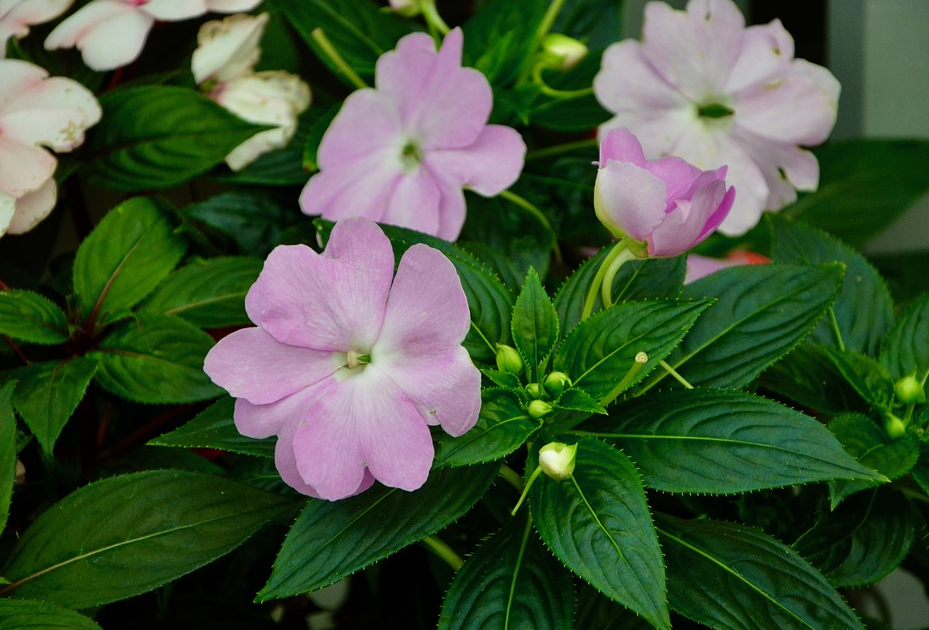
Causes of Root Rot in Impatiens, Solutions, and a Guide to Safe Overwintering
Impatiens, also called touch-me-not, loves sunlight, fears moisture, tolerates heat but not cold, has strong vitality and good adaptability, and generally suffers from few pests and diseases. But home-grown impatiens sometimes develop root rot, so what causes impatiens root rot? What should you do about it? How do you overwinter them safely? Causes of root rot in impatiens
条件筛选