How to care for a bonsai plum blossom in winter so it can overwinter safely?
Plum blossoms usually bloom at the turn of winter and spring. Because their flowers are very fragrant, colorful and lovely, they are often quite suitable for ordinary people to grow as potted plants at home. But in the eyes of bonsai masters, the plum blossom is an excellent material for making bonsai. However, winter often brings certain challenges to bonsai plum blossoms because of the cold weather and low temperatures, so how do bonsai plum blossoms overwinter?
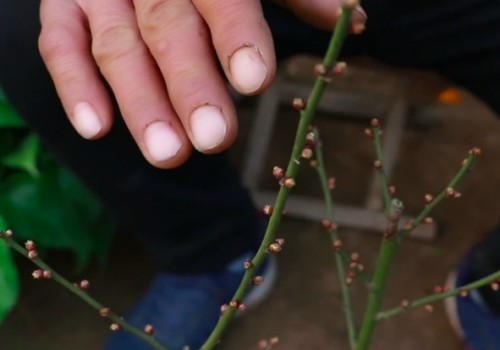
If you want bonsai plants to make it through winter safely and smoothly, cold protection and warmth are the top priority. The same is true for plum blossom bonsai, because once a plum blossom suffers freeze damage in winter, it not only affects flower bud formation and bud development, but may also cause many adverse conditions such as bud drop and bud wilting, thereby affecting its normal blooming and even inhibiting its growth.
Although plum blossoms are relatively cold-tolerant, and in the southern regions of our country they usually do not suffer freeze damage even when placed outdoors, they are still relatively prone to freeze damage in extremely severe weather or in the northern regions of our country. Therefore, it is recommended to move them indoors to a warm environment for care in winter, so as to avoid the plant being frostbitten and also allow it to bloom smoothly.
Of course, in order to keep bonsai plum blossoms safe and sound in winter and ensure they bloom on schedule, in addition to taking good warmth and cold protection measures, we should also let them get as much sun as possible and water them scientifically. Because winter light intensity is not great and is usually relatively soft, and plum blossoms relatively like light, especially during the flowering period, so sufficient light must be ensured, which is very helpful for both cold protection and promoting flowering.
Winter light is of great significance to the flowering and cold protection of plum blossom bonsai. Getting more sun can not only raise the temperature in the potting soil and prevent the plant from freezing, but also accelerate photosynthesis to synthesize nutrients, thereby better promoting the plant's growth, which is very important for promoting flower bud differentiation and bud formation in plum blossoms. Therefore, in winter, plum blossoms must be given more sun.
As for watering in winter, you need to follow “do not water if not dry”, and even when watering, do so in an appropriate amount, and do not cause overwatering, otherwise it will cause root rot or bud drop. But you also cannot go a long time without watering and let the plant suffer drought, otherwise the flower buds may still wilt and fall off before opening due to dehydration. Also, the water temperature should be close to or equal to the ambient temperature, avoiding a large temperature difference between the water temperature and the ambient temperature, otherwise it will have a certain impact on the plant's overwintering.
Moreover, in winter the air humidity is often relatively low and the environment is relatively dry, so in addition to keeping the potting soil slightly moist at all times, we also need to spray leaf water and ground water more to increase the relative air humidity, thereby creating a relatively suitable humidity environment for beautification. When light, temperature and humidity are all guaranteed, not only can the plant avoid freezing and overwinter safely and smoothly, but flowering can also be effectively promoted and flower quality improved.