-
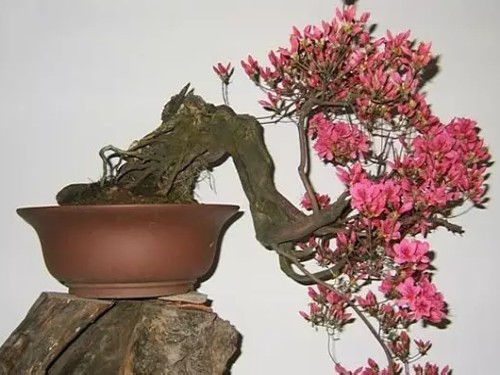
How to fertilize bonsai and flowering plants, and what to do about over-fertilization?
Fertilization should mainly be based on the ecological conditions and biological characteristics of the plants, paying attention to the relative balance of the three major nutrient elements, as well as factors such as soil composition and the characteristics of the fertilizer to decide which fertilizer to use. 1. Choose fertilizer based on its characteristics: fertilizers are divided into organic fertilizers and inorganic fertilizers.
-
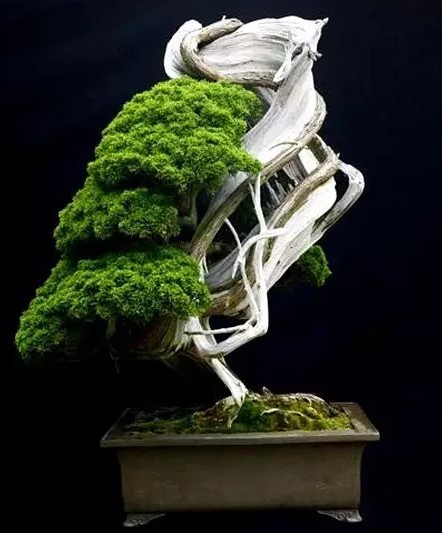
Key Points for Appreciating the Overall Beauty of Tree Bonsai
The main materials of bonsai are themselves natural objects, possessing a natural charm. Among them, plants also have the characteristic of life and can present different scenery as time passes and seasons change. The forms and colors of the roots, trunks, branches and leaves, flowers and fruits of tree bonsai are organically combined to form the overall beauty of the tree scenery.
-
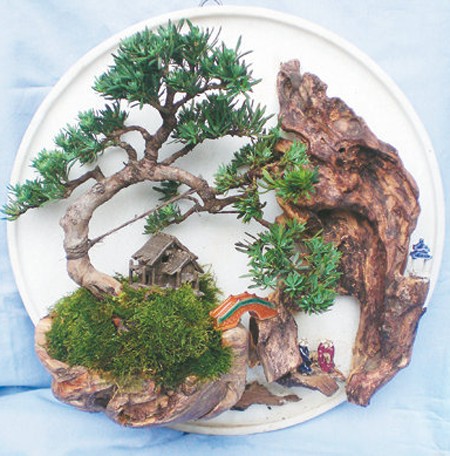
Wall-mounted bonsai appreciation: discover the green art that hangs on the wall
Wall-mounted bonsai refers to a bonsai form in which the pot is like a sheet of painting paper, with small plants and rocks planted suspended on the pot to create a scene on a vertical plane, which can be hung on a wall. Today, the editor will take everyone to appreciate some wall-mounted bonsai.
-
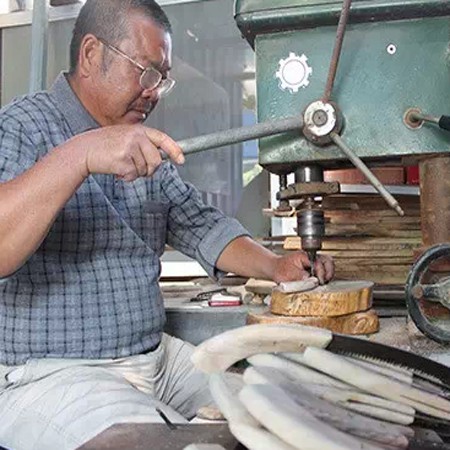
How were natural stone-attached bonsai discovered?
In a small hut inside the bonsai garden, a dark-skinned elderly man was using a saw knife, a specialized tool for making bonsai. The elderly man's name is Chen Changchun; he was formerly an employee of the Xiapu County Landscaping Bureau, and after retirement he focused on bonsai art and is also one of the operators in the bonsai garden. Guo Xuhui and Old Zheng told reporters
-
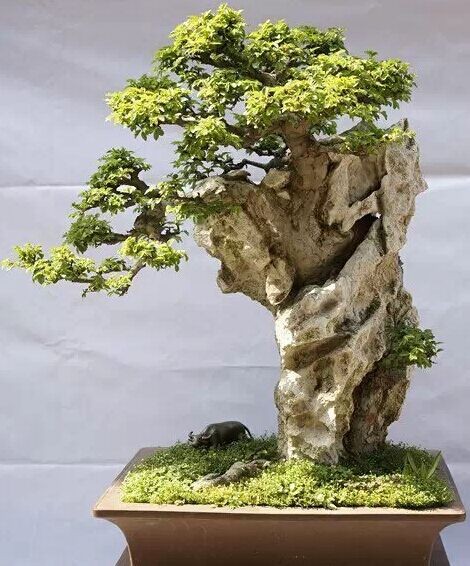
How do you make a root-over-rock bonsai? Practical experience shared with you
A root-over-rock bonsai is made by exposing thick roots and letting them cling to and grow over rocks, with some bonsai accessories appropriately chosen to embellish it. It has the imposing air of standing atop a peak, giving people a feeling of indomitability, ceaseless upward striving, and unending life
-
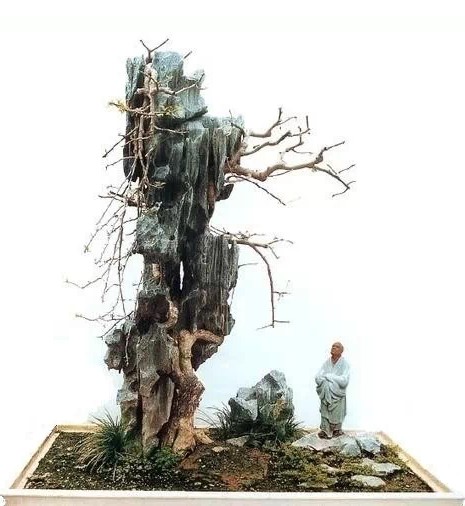
Root-over-rock bonsai demands a high level of artistry and has a strong wild, mountain-and-field flavor.
Root-over-rock bonsai, also called tree-and-rock bonsai, is a bonsai form that ingeniously combines trees and rocks into one; its characteristic is that the tree is planted on the rock, with the roots either anchored in rock holes or crevices or clasping the rock as they grow, and its style is either delicate and elegant, or majestic and grand, or rustic and vigorous, or steep and precipitous, or open and spectacular.
-
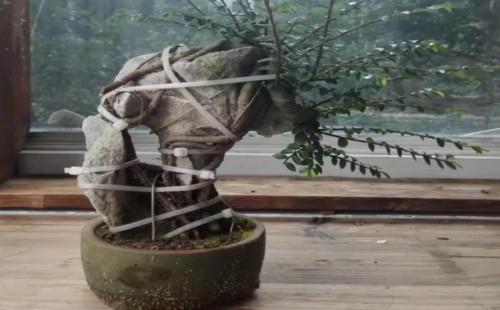
How to Attach an Elm to a Rock? Detailed Guide to Making a Root-over-Rock Bonsai
During the growing season of an elm bonsai, many new shoots tend to emerge, and even quite a few leggy shoots appear, so we need to prune in good time to prevent the new growth from ruining the bonsai's original attractive shape. But it often takes about 5 years to go from a young elm to a formed bonsai tree
-
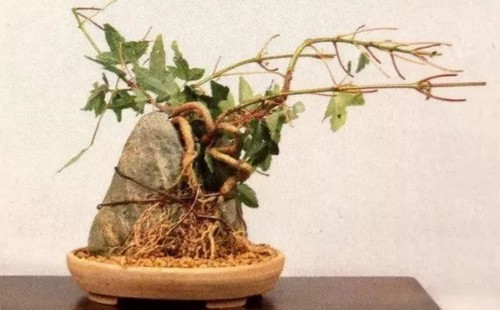
How to make a semi-root-over-rock bonsai? Detailed step-by-step tutorial shared
Root-over-rock bonsai is a bonsai presentation form that integrates plants and rocks into one. Usually, root-over-rock bonsai is divided into two forms: full root-over-rock and semi-root-over-rock. In full root-over-rock, all the tree roots attach to the rock, while in semi-root-over-rock, the tree roots simply grow while embracing the rock.
-
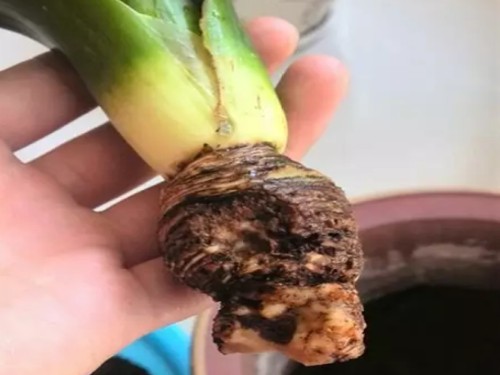
How to care for and manage a Clivia miniata after root rot so it can recover
Root rot in Clivia miniata is mainly caused by overwatering, high temperatures, overly concentrated fertilizer or raw manure, and in some cases by infection from pathogen-bearing growing media. Whether a Clivia miniata can survive after root rot depends mainly on whether the root axis is in good shape, whether the leaves have separated from the root axis, and the condition of the new leaves in the center.
-
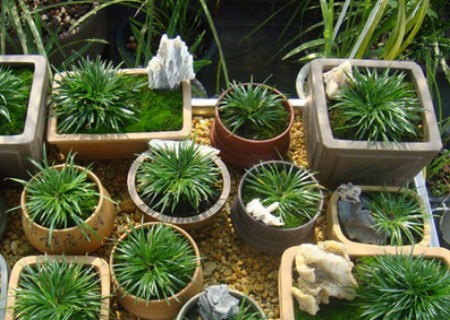
How to care for Acorus gramineus in winter? Master these key points for a safe overwintering
Since ancient times, Acorus gramineus has been regarded as a kind of spiritual herb with the effect of preventing epidemics and warding off evil. But at the same time, it is also a traditional flowering plant, suitable for pot cultivation and growing as a bonsai for viewing, very likable, and in recent years it has been continuously popular on the flower market
条件筛选