-
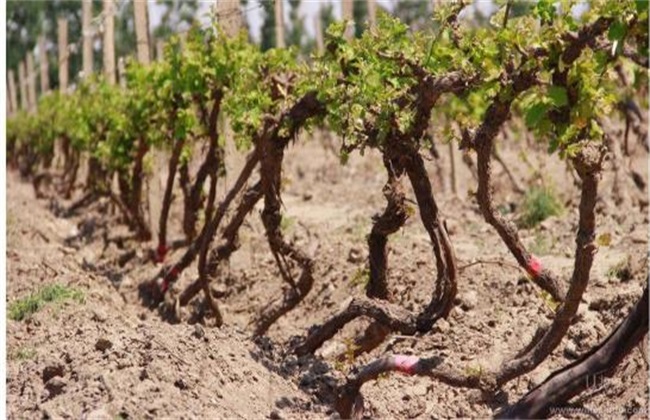
Management Methods and Technical Points After Grape Vines Are Uncovered
Management After Grape Vines Are Uncovered
-
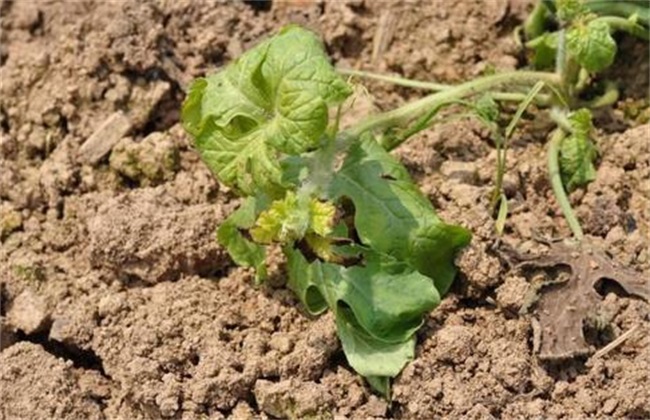
What are the causes of seedling death during the watermelon seedling recovery period
Causes of seedling death during the watermelon seedling recovery period
-
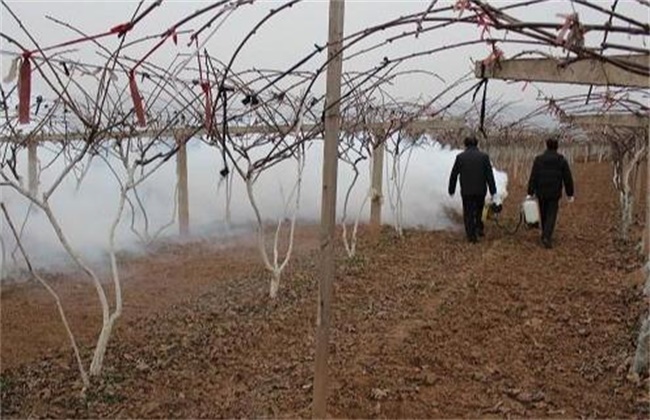
Detailed winter freeze protection measures for kiwifruit to help the trees overwinter safely
Winter freeze protection measures for kiwifruit
-
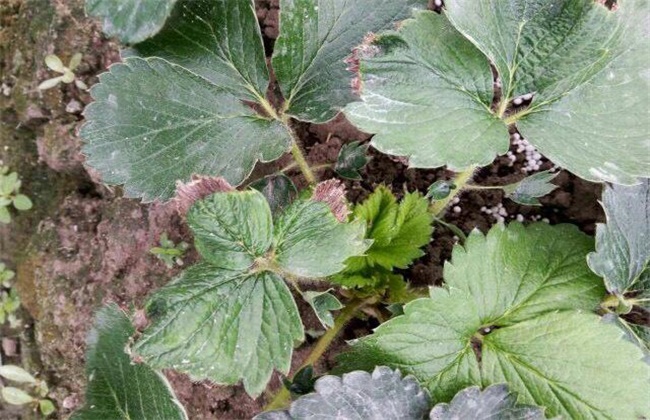
How to remedy strawberry phytotoxicity? This way you can recover your losses
How to rescue strawberries from phytotoxicity
-
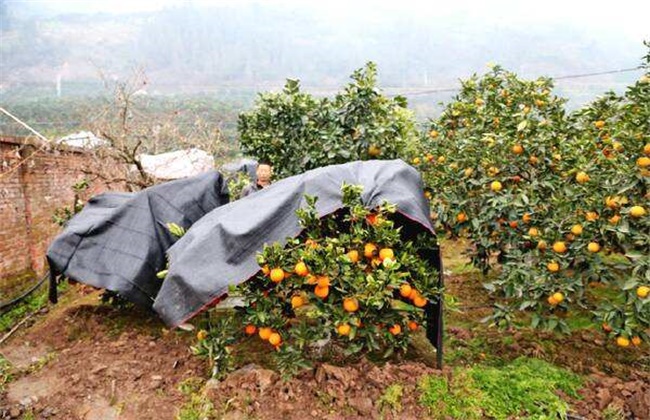
How Do Citrus Trees Safely Overwinter? A Detailed Guide to Cold-Protection Management
Precautions for Overwintering Citrus Trees
-
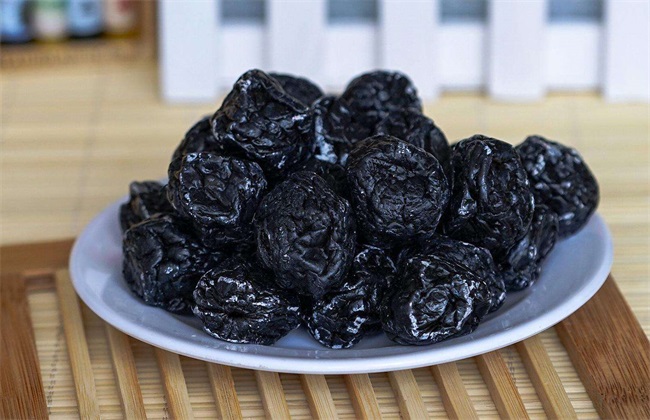
Where does dark plum come from? An overview of the main producing regions
Where does dark plum come from?
-

Dispute over Melon and Fruit Ordering Resolved Skillfully Through Pre-Litigation Mediation
Weinan Political and Legal Affairs Network (Special Correspondent Li Yong) Recently, the Pre-Litigation Mediation Office of the Huayin City Justice Bureau accepted a typical dispute case arising from melon and fruit ordering. After...
-

Peach Tree Post-Harvest Management Like This, Heavy Fruit Covering the Branches Next Year
After peaches are harvested, the remaining nutrients produced by their leaves are redirected to supply the branches and trunk, promoting branch thickening, tissue maturation, and the accumulation of nutrients, creating better conditions for flower bud differentiation the following year. If managed properly during this period, it can not only increase tree nutrition and improve the tree's resistance to adverse environments, but also play an important role in flowering and fruiting and tree growth the following year. Therefore, the following technical measures should be effectively implemented: 1. Reasonable fertilization After peaches are harvested, fruit-picking fertilizer should be applied promptly. Fertilization
-
Overview of Research on Sepal Abscission and Persistence in Korla Fragrant Pear
Korla fragrant pear (Pyrus brestschneideri Rehd), abbreviated as fragrant pear, is ranked alongside Turpan grapes and Hami melon as one of the **three famous and premium melon and fruit specialties. It is a pear variety with excellent traits in color, aroma, flavor, storability and many other aspects, enjoys a high reputation in domestic and international markets, and has become one of the important export-oriented agricultural products generating foreign exchange. However, the fruit sepals of fragrant pear exhibit two conditions, abscission and persistence, and in addition, irregular changes in fruit shape and ribbed grooves on some fruits seriously affect the
-
When is the covering time for protected cultivation of apricots?
For most apricot varieties, they must undergo a low-temperature period of 700-1000 hours below 7.2°C to break dormancy. Therefore, protected cultivation must raise the temperature only after the apricot's chilling requirement has been met, for success to be possible. If the temperature is raised too early, the apricot trees cannot sprout and bloom normally, and in severe cases it will cause a large number of flower buds to drop, uneven flowering, and severe flower and fruit drop. The timing of temperature increase should also be carefully decided based on the variety's chilling requirement and weather conditions. 1. Covering time for plastic greenhouses: Plastic greenhouses have poor insulation performance, so apricot trees must pass dormancy under natural conditions. The suitable covering time is generally from late January to early February, and the covering time is the temperature-raising time. If the weather is abnormal, such as a warm winter, the covering time should be appropriately delayed. For plastic greenhouses, ground film should be applied 15-20 days before covering to allow the soil temperature to rise slowly.
条件筛选