Management Methods and Technical Points After Grape Vines Are Uncovered
Grapes are a very common fruit and are grown on a very large area in our country. When growing grapes, before winter arrives, we all need to do a good job of burying the vines in soil for cold protection to ensure they can overwinter normally. Then in the spring of the following year, when conditions are suitable, they must be uncovered in time. So how should we manage grape vines after they are uncovered? Today, the editor brings you the management of grapes after they are uncovered. Let's take a look!
1. Time of Uncovering
First, we need to clearly understand the time for uncovering grapes, and the main uncovering time should be determined according to the growing region. For example, if grown in the north, the grapes are generally uncovered around March to April, roughly around Qingming Festival. Usually, when the average temperature in the following spring reaches about 10 degrees, they should be uncovered and put on the trellis in time. The uncovering time must not be too early; if too early, it can easily cause frost damage to the grapes, but it also must not be too late. If too late, the young buds of the grapes will sprout in the soil, and then when uncovered, the tender buds are easily broken off. Mainly, the uncovering time still needs to be determined according to the climate of the growing region and the variety.
2. Uncovering Method
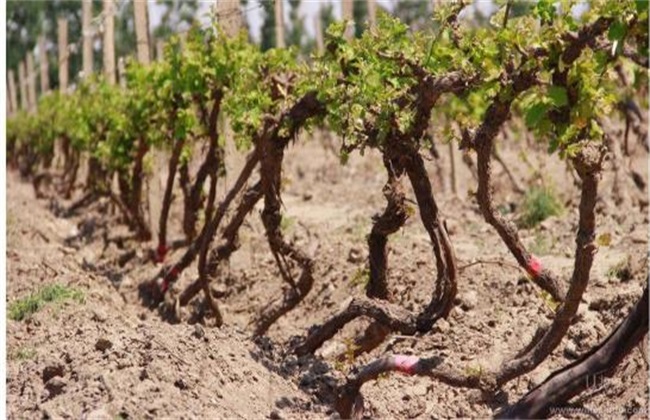
After determining the uncovering time, next is the uncovering method. First, we should remove the cold-protection soil on the grapes, and we should first remove the soil from both sides of the cold-protection soil. Then pull open the covering at the upper end of the grape vines until the grape vines are exposed. After removing the cold-protection material from the grapes, the field beds should be trimmed in time. In order to prevent the buds from drying out and ensure the buds sprout neatly. After the grape vines are uncovered, they should be placed on the ground for about 3-8 days. Then observe the condition of the buds on the vines, and when they begin to sprout, the vines can be led onto the trellis.
3. Putting on the Trellis and Tying the Vines
After properly pruning the grape plants again, we should do a good job of putting them on the trellis and tying the vines. When tying the vines, ensure that the grape vines are evenly distributed on the trellis surface. For each main vine, tie it to the trellis along its growth direction, and the distance differences between the vines should not be too large. Then pay attention to preventing the vines from crossing and overlapping each other. When tying the fruiting canes, special attention should be paid: not only should they be evenly distributed, but also attention should be paid to the occurrence of vertical tying. Usually, the angle is kept at about 45 degrees for tying. If growth is strong, then it can be appropriately horizontal or curved.
4. Proper Root Clearing
If the grape seedlings are grafted seedlings, then new shoots often grow from the scion position above the graft union. Therefore, when uncovering and putting them on the trellis, we should pay attention to checking the vines. Soil clearing should be done well at the base of all main vines, and it is best not to let the main vines come close to the ground. Prevent rooting, because if the scion roots, it can very easily cause the root system of the rootstock to die. This causes the grafted seedlings to become own-rooted seedlings, and resistance declines. In addition, during their growth period, attention should also be paid to clearing roots in time. Finally, we should pay attention to preventing bleeding in grapes, to avoid affecting grape growth.
The above is a brief introduction to management after grapes are uncovered. That is all for today's introduction. This article is for reference only, and I hope it can help everyone!