How to remedy strawberry phytotoxicity? This way you can recover your losses
During strawberry cultivation, improper pesticide concentration, improper timing of application, and improper mixing often lead to phytotoxicity. Some types of malformation phytotoxicity often occur a few hours after spraying, while some chronic phytotoxicity takes time to manifest. Both affect the yield and quality of strawberry fruit. So how should strawberry phytotoxicity be remedied? Follow the editor to learn more.
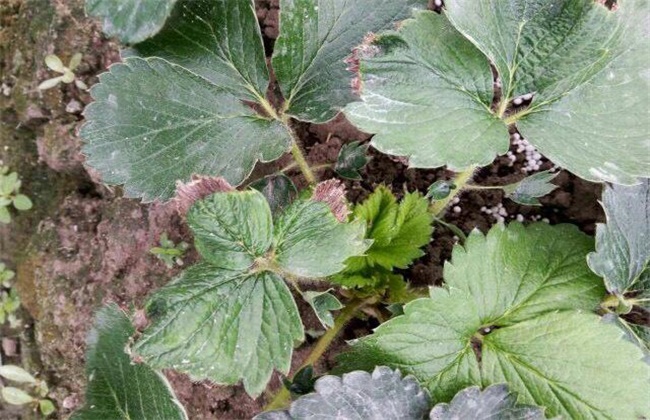
I. Symptoms of strawberry phytotoxicity
1. Spots
They mainly occur on leaves or fruit. Common spots include brown spots, yellow spots, and necrotic spots. Unlike disease spots, spots caused by phytotoxicity are unevenly distributed on the plant, some mild and some severe, with spots both large and small and inconsistent in shape.
2. Yellowing
It mainly occurs on leaves. In mild cases, it shows as leaf yellowing; in severe cases, the whole plant turns yellow. Yellowing caused by phytotoxicity is also different from yellowing caused by a lack of nutrient elements. Phytotoxicity often progresses from yellow leaves to withered leaves, and the degree varies with climate changes. When the temperature is high, yellowing is fast; when the temperature is low, yellowing is slow.
3. Malformation
Malformation mainly occurs on leaves and fruit, often causing leaf curling, clustering, root swelling, malformed flowers, and malformed fruit. Unlike malformation caused by viral diseases, it occurs relatively commonly in the early stage, mainly in local areas, while in the later stage it often occurs sporadically, often mixed among the affected leaves and fruit.
4. Wilting
Phytotoxicity wilting often appears as a symptom of the whole plant. It is mostly caused by herbicides. Wilting caused by phytotoxicity has no center of infection, and the process is mostly slow, with yellowing first and then seedling death, and no browning of the vascular tissue in the roots and stems.
5. Stunted growth
Phytotoxicity inhibits the normal growth of the plant, causing it to grow slowly. Common phytotoxicity is caused by triazole pesticides and herbicides. Compared with symptoms caused by other diseases, phytotoxicity is often accompanied by pesticide spots or other phytotoxicity symptoms, while diseases mainly show poor root growth.
II. Remedial measures
1. Supplement fertilizer to promote seedling recovery
For mild phytotoxicity symptoms such as leaf yellowing and scorched leaf edges, an appropriate amount of nitrogen fertilizer and compound fertilizer can be applied, or foliar fertilizer can be sprayed to promote plant recovery.
2. Irrigation
For phytotoxicity caused by pesticide root drenching and herbicide use under plastic mulch, fertilization and spraying cannot solve the problem. Only watering can reduce the pesticide concentration, decrease the accumulation of harmful substances in the roots, and alleviate the symptoms.
3. Spraying soothing agents
If phytotoxicity occurs from spraying alachlor, gibberellin or a 0.2% soap solution can be sprayed, which can alleviate phytotoxicity caused by organophosphorus pesticides.
4. Spraying water
After spraying the wrong pesticide and phytotoxicity occurs, clean water can be sprayed promptly to wash the pesticide off the plant surface. If it is an acidic pesticide, an appropriate amount of plant ash or lime solution can be added to the clean water; if it is caused by an alkaline pesticide, vinegar can be added to the clean water. At the same time, attention should be paid to ventilation and air exchange, lowering temperature and humidity, to help harmful gases escape.
5. Removing leaves and fruit
After leaves are damaged, leaves that have already lost their green color should be removed promptly. Such leaves have already lost their photosynthetic function, and keeping them will only consume nutrients. Timely removal can not only save nutrient consumption but also inhibit the penetration and translocation of the pesticide within the plant. The same applies to malformed fruit, which also needs to be removed promptly.
The above is an introduction to how to rescue strawberries from phytotoxicity. I hope it can help you. To learn more related knowledge, please stay tuned to us.