What are the causes of seedling death during the watermelon seedling recovery period
Watermelon can be said to be one of our national fruits, with a very large market demand in our country, and it is basically grown in all regions. When growing watermelons, watermelons need to go through many growth stages. Among them, the seedling recovery period is one, but seedling death often occurs during the watermelon seedling recovery period. So what are the causes of seedling death during the watermelon seedling recovery period? Let's take a look together below!
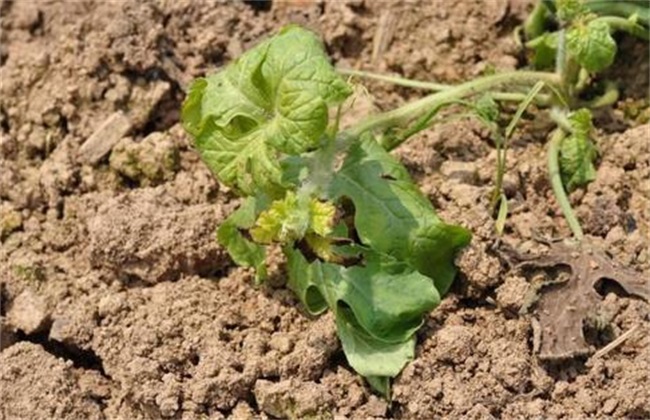
1. Low temperature and high humidity
After watermelon seedlings are transplanted, the requirements for temperature and humidity are relatively high. If during the seedling recovery period after transplanting they encounter a low-temperature and high-humidity environment, such as long periods of rainy days, causing the soil temperature to be too low and the humidity to be too high. Or when the soil is sticky and heavy, too much watering is done, and the soil is difficult to aerate, it is easy to cause root rot in watermelon seedlings, leading to seedling death. Therefore, after transplanting watermelon seedlings, we must pay attention to controlling temperature and humidity well, do a good job of ventilation, maintain good field temperature and humidity, and ensure that watermelon seedlings can grow normally.
2. Poor transplanting quality
When transplanting, the quality of transplanting is very important. The quality of transplanting directly determines the growth ability of watermelons after transplanting. If during transplanting the nutrient soil blocks are scattered and not concentrated, the bottom soil moisture is insufficient and the root-setting water is also little. Or if the transplanting holes are too small and the watermelon seedlings are planted too shallowly, then when the seedlings encounter a high-temperature environment, seedling death is very likely to occur. Therefore, when transplanting, we must strictly dig the transplanting holes according to requirements, control the transplanting depth and nutrients well, and ensure that the seedlings pass through the seedling recovery period as quickly as possible.
3. Improper fertilization
When transplanting watermelon seedlings, fertilization work is also very important. Fertilization is the main way for watermelon seedlings to obtain nutrients, but if fertilization is improper, such as shallow fertilization or large manure lumps, it will cause seedlings planted on manure lumps to easily suffer seedling burn, leading to seedling death. And if too much fertilizer is applied or it is unevenly applied, the fertilizer will also generate a large amount of heat and burn the seedlings, also easily causing seedling death. Therefore, we should have a reasonable fertilization method, ensuring both that sufficient growth nutrients are provided for the seedlings and that seedling burn and seedling death are avoided.
4. Damage from pests and diseases
Damage from pests and diseases is also one of the main causes of seedling death during the watermelon seedling recovery period. Especially in some soil plots with continuous cropping and repeated cropping, soil-borne diseases and insect pests are very serious. Whether disease or insect pest, both will cause serious damage to the roots and young stems of watermelon seedlings. This causes the seedlings to develop disease, resulting in serious seedling death. Therefore, we must also do a good job in the prevention and control of pests and diseases, using corresponding agents for different pests and diseases, to prevent watermelon seedlings from dying due to damage from pests and diseases.
The above is a brief introduction to the causes of seedling death during the watermelon seedling recovery period. That is all for today's introduction. This article is for reference only, and I hope it can help everyone!