-
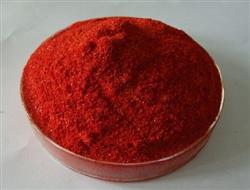
What are the effects of sodium nitrophenolate? A comprehensive analysis in one article
What are the effects of sodium nitrophenolate? How is sodium nitrophenolate used? We ask knowledgeable netizens to help explain. Sodium nitrophenolate is a powerful cell activator; after contact with plants it can quickly penetrate into the plant body, promote the flow of cell protoplasm, and improve cell vitality; but some netizens' understanding of sodium nitrophenolate is...
-

What Is Potassium Nitrate? Understanding Potassium Nitrate in One Article
What is potassium nitrate? How is potassium nitrate used? We ask knowledgeable readers to help explain. Potassium nitrate has a very wide range of uses in the agricultural market. Potassium nitrate is a binary compound fertilizer, and it is a chlorine-free potassium and nitrogen compound fertilizer. The total content of the plant nutrients potassium and nitrogen can reach about 60%, and it has good physical and chemical properties...
-
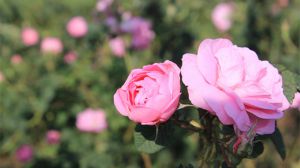
Can Damask roses be eaten? Learn about their edible value in one article
Damask roses can be eaten in moderation, and many plantations at home and abroad make rose jam or edible products from them. They are also used to extract fragrance and rose oil, and they have certain medicinal value as well, with beauty-enhancing and skin-nourishing effects. When using them at home for food, pay attention to the amount, because they do not have the qualification for food production.
-

What Is the Difference Between Black Tea and Green Tea? Understanding the Differences in One Article
Black tea is made through fermentation and has the effect of warming the stomach and cutting greasiness; green tea is unfermented tea leaves that contain many natural compounds and have anti-cancer and anti-aging effects. The two differ in color and aroma: black tea's liquor is reddish-brown with a rich aroma and a warming nature, while green tea is pale green with a fresh aroma and a cooling nature. Women should not drink green tea during menstruation.
-
What Is the Difference Between Black Tea and Green Tea? Understanding the Differences in One Article
Black tea is made through fermentation and has the benefits of warming the stomach and cutting through greasiness; green tea is unfermented and contains many natural compounds, with benefits such as anti-cancer and anti-aging effects. The two differ in color and aroma: black tea's liquor is reddish-brown with a rich aroma and a warming nature, while green tea is light green with a fresh aroma and a cooling nature. Women during menstruation are not suited to drinking green tea.
-

What are the benefits and contraindications of saffron? Explained in one article
Benefits: treats depression, its extract has effects similar to antidepressant drugs; fights anxiety, with effects similar to anti-anxiety drugs; alleviates neurodegenerative diseases, hindering nerve degeneration; treats cerebrovascular diseases, increasing blood flow and lowering blood pressure. It must not be consumed in excess, as it can cause mental confusion or allergic poisoning; pregnant women, children, and others should consume it according to a doctor's instructions.
-
What are the benefits and contraindications of saffron? Explained in one article
Benefits: treats depression, its extract has effects similar to antidepressant drugs; combats anxiety, with effects similar to anti-anxiety drugs; alleviates neurodegenerative diseases, hinders nerve degeneration; treats cerebrovascular diseases, increases blood flow, lowers blood pressure. It must not be consumed in excess, as it can cause mental confusion or allergic poisoning; pregnant women, children, etc. should consume it according to a doctor's instructions.
-
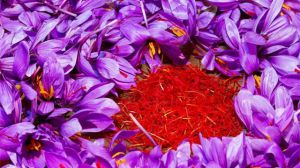
Is saffron hot or cool in nature? Explained clearly in one article
Saffron is neither cool nor hot in nature, but a warm-natured tonic. It can be used by people of different constitutions to supplement nutrition and regulate qi and blood; in addition, it can treat certain cardiovascular and cerebrovascular diseases or neurodegenerative diseases. It can be consumed in various ways: it can be steeped directly in water or infused in liquor, and of course it can also be used in soups and rice dishes.
-
Is saffron hot or cool in nature? Explained clearly in one article
Saffron is neither cool nor hot in nature, but a warm-natured health tonic. It can be used by people of different constitutions to supplement nutrition and regulate qi and blood; moreover, it can also treat some cardiovascular and cerebrovascular diseases or neurodegenerative diseases. There are various ways to consume it: it can be steeped directly in water or infused in alcohol, and of course it can also be used in soups and rice.
-

What Is the Difference Between Xi Honghua and Zang Honghua? Explained Clearly in One Article
Xi Honghua (West Saffron) is another name for Zang Honghua (Tibetan Saffron); these two names refer to the same tonic, which can also be called Fan Honghua (saffron crocus), all being plants of the genus Crocus in the family Iridaceae. However, Honghua (safflower) is not the same substance as it; Honghua is a plant of the family Asteraceae originating from Xinjiang, its efficacy is far inferior to it, and the price difference is also enormous; good Zang Honghua costs more than 100 yuan per gram.
条件筛选