What are the benefits and contraindications of saffron? Explained in one article
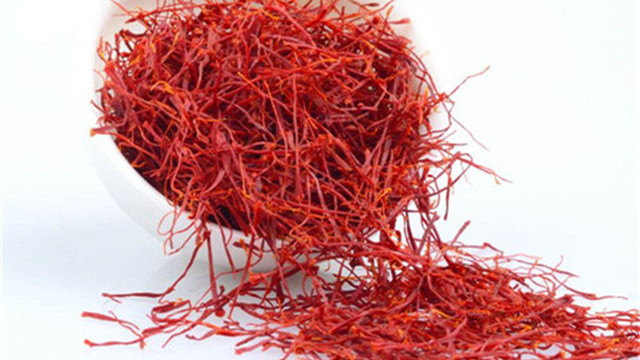
I. Benefits
1. Treating depression
It is estimated that ancient records noted its special effects, "mainly for heart depression and accumulated melancholy," and modern pharmacology and instrumental analysis have also shown it has antidepressant effects. After taking its extract, the effect is similar to the antidepressant drug fluoxetine, with almost no difference.
2. Fighting anxiety
Through comparative research in modern medicine, it was found that the safranal and extract in saffron have effects similar to the anti-anxiety drug diazepam, proving its effects in fighting anxiety and treating mental conditions such as premenstrual syndrome in women.
3. Alleviating neurodegenerative diseases
Through comparative experiments, it was found that its active substances such as crocetin can increase the levels of substances in the human body such as raw materials for synthesizing glutamate and dopamine, enhance the activity of antioxidant enzymes, and have effects in treating diseases caused by mental nerve or functional aging such as Parkinson's disease.
4. Treating cerebrovascular diseases
On the one hand, it can lower blood lipids and increase the flow and velocity of blood in the cardiovascular and cerebrovascular systems; on the other hand, its blood-activating effect can reduce blockage or infarction of blood vessels in the brain and lower the risk of cerebral infarction.
II. Contraindications
1. Mental confusion
It has an improving and regulating effect on the nervous system, but long-term excessive consumption may cause the nerves in the brain or other parts to remain in an excited state for a long time, resulting in symptoms such as secretory disorders, mental exhaustion, or insomnia with frequent dreams.
2. Allergic poisoning
It is rich in nutrients and beneficial to health. However, some of its substances can cause allergies or mild poisoning in people with special constitutions; before use, testing or medical consultation should be carried out.
3. Stirring qi in postpartum women
This precious medicinal herb can nourish the body when consumed by normal people, but when pregnant women, children, and menstruating women take it, they should follow a doctor's requirements and strictly obey medical advice. If the doctor has not required the consumption of the relevant medicinal herb, it must not be consumed, to prevent accidents.