-
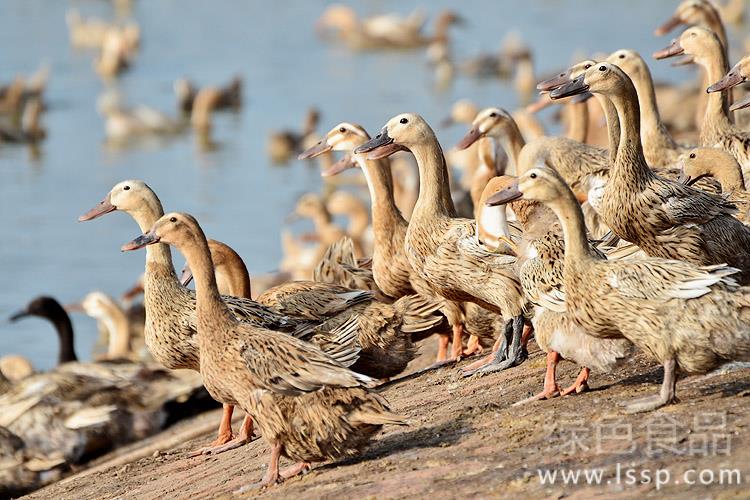
Autumn ducks can also achieve high-efficiency results: points to note when raising autumn ducks
Autumn ducks can also achieve high-efficiency results: points to note when raising autumn ducks
-
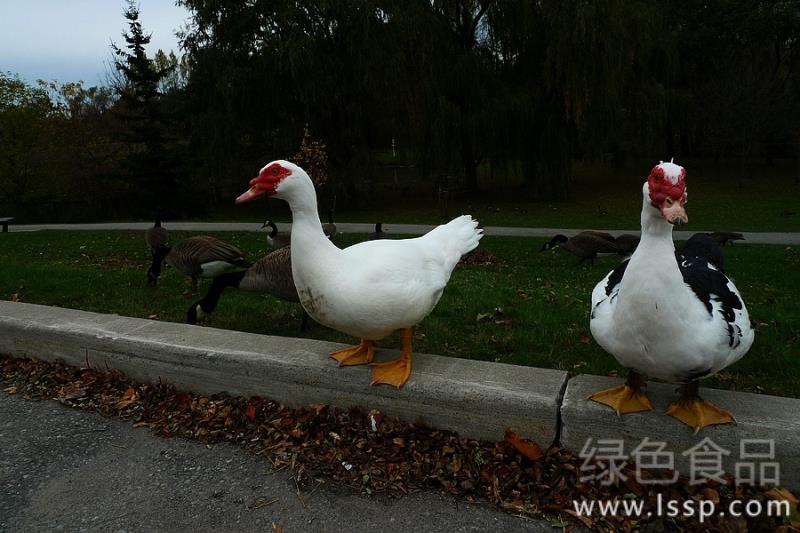
Points to note in Muscovy duck farming: high environmental temperature requirements cannot be ignored
Muscovy ducks have high environmental temperature requirements: points to note in Muscovy duck farming
-
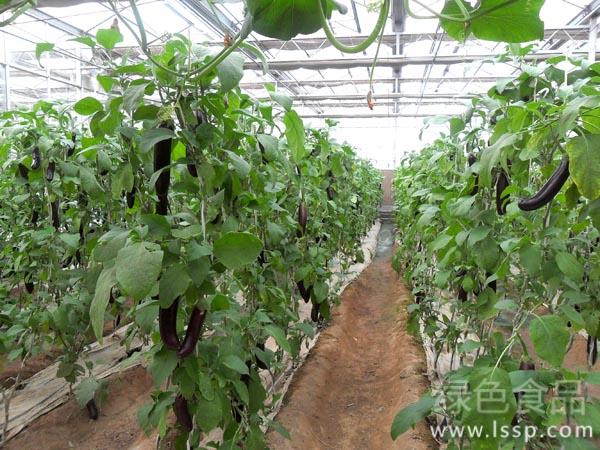
Eight safeguard measures to note for greenhouse vegetable production in deep winter
Note these eight measures to safeguard greenhouse vegetable production in deep winter
-
What are the key points to note during the flowering and fruiting period of Red Globe grapes?
What should you pay attention to during the flowering and fruiting period of Red Globe grapes? For the specific steps, you can refer to the following methods: Through flower and fruit management, control the size of the grape cluster. By removing secondary clusters and pinching off the tips of the clusters, save nutrients, reduce the workload of berry thinning, increase the fruit-setting rate, enlarge the berries, and improve fruit quality. Through cluster shaping, you can adjust the grape cluster according to your own requirements...
-
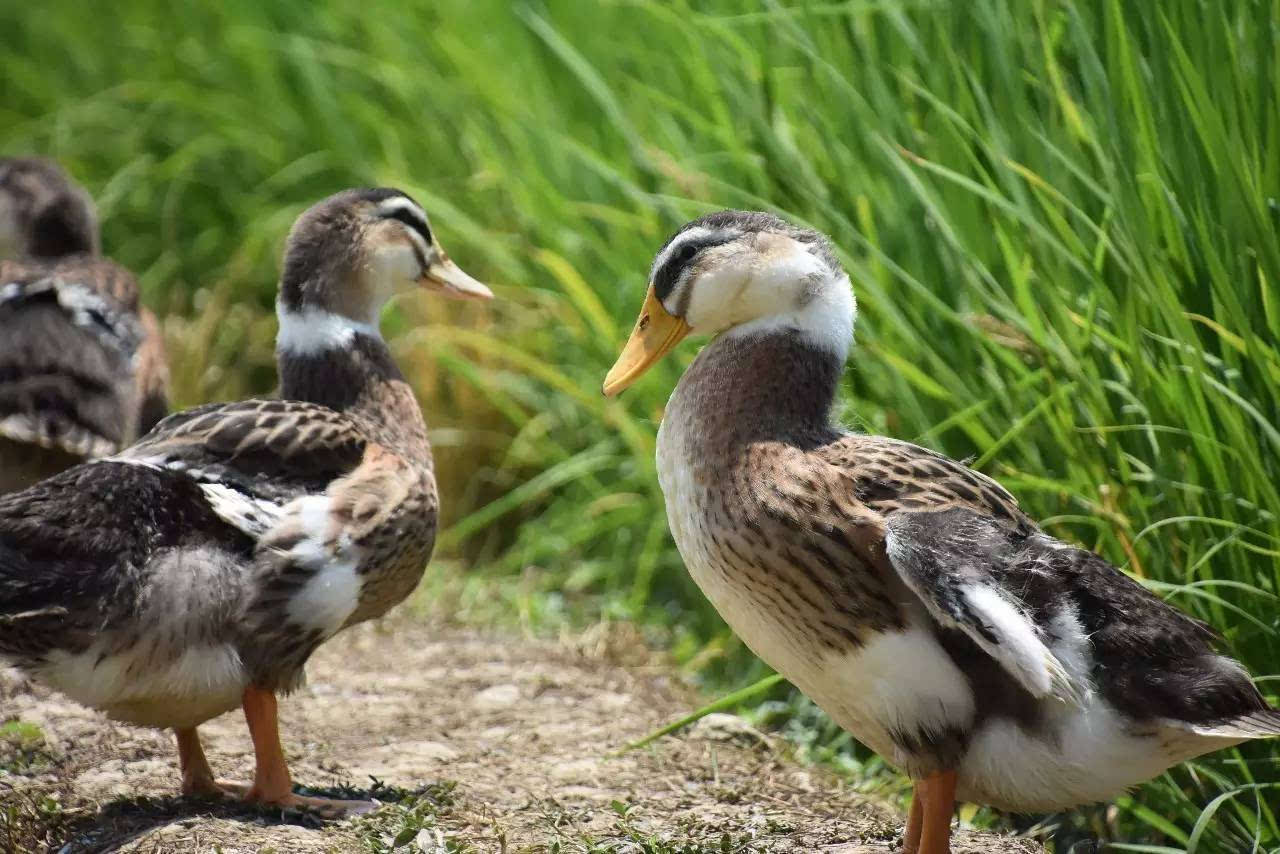
What technical details should be noted for raising ducks in rice fields?
What technical details should be noted for raising ducks in rice fields?
-

What are the key points to note when growing Myrtus? These few points are crucial
First of all, Myrtus has certain temperature requirements, because its place of origin is in the tropics and it likes a high-temperature, high-humidity environment. The surrounding temperature must not be lower than ten degrees, so in summer we can move Myrtus outdoors and place it in a semi-shaded spot to enhance air convection, and spray it two to three times a day. When winter comes
-

-

What points should be noted when planting Asparagus cochinchinensis?
Points to note when planting Asparagus cochinchinensis
-
What are the key points to note when growing Calathea makoyana?
Calathea makoyana has relatively shallow roots, so it is best to choose a wide, shallow pot; this way root growth is not hindered, and when the leaves spread out during the day the plant does not look top-heavy. The potting soil should be loose, breathable, well-draining, nutrient-rich and slightly acidic. Calathea makoyana is generally repotted in spring when it is divided, once every 1 to 2 years.
-
What are the key points to note when growing Japanese aralia (Fatsia japonica)?
Temperature conditions: Japanese aralia (Fatsia japonica) prefers a cool growing environment, with an ideal temperature between 10-25°C; generally it can maintain good growth indoors at 18-20°C during the day and 10-12°C at night. Note that prolonged high temperatures can easily make its leaves thinner and larger, and they begin to droop
条件筛选