-
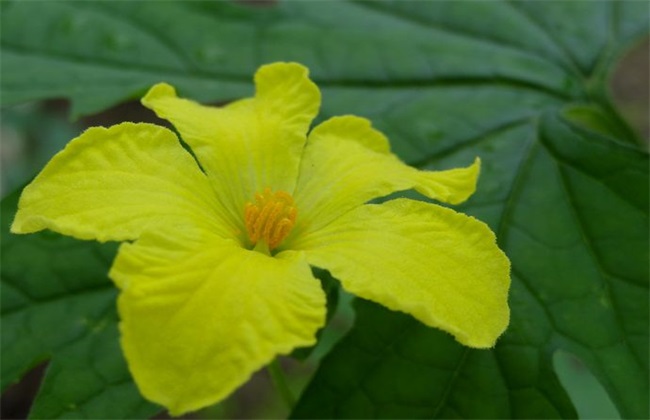
How to manage bitter melon during the flowering period? You need to master these key points
Management of bitter melon during the flowering period
-
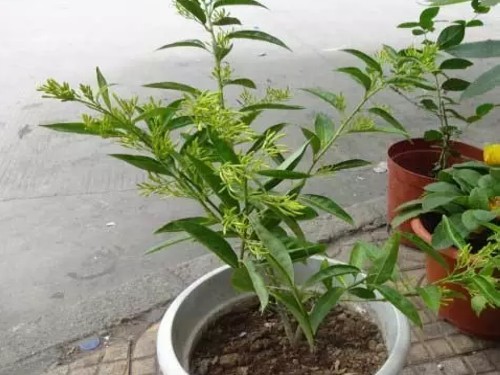
How to grow potted night-blooming jasmine? These methods you need to master
Night-blooming jasmine, also called night-fragrant flower, night-fragrant tree, night lilac, tuberose, night orchid fragrance and so on, is a flowering ornamental plant native to the tropical regions of the Americas. Its branchlets are slender and weak, hairy, with milky sap. Its flowers are mostly yellow-green, with a fresh fragrance that becomes even stronger at night. It is mostly grown as a potted ornamental plant, but it is not suitable for placing indoors, as its floral fragrance makes breathing difficult
-
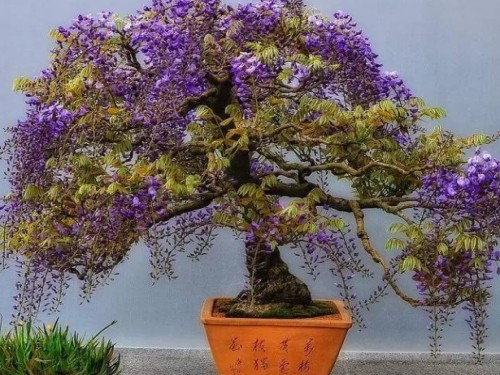
How to cultivate wisteria bonsai? Mastering these methods is all you need
Wisteria is one of the four famous climbing plants. It grows rapidly, with lush branches and leaves, feathery green foliage, and purple flowers resembling butterflies. Clusters of blooms hang down like grapes, and the flowering period is long. In midsummer, its dense shade blocks the sun, offering a cool retreat beneath the trellis where you can admire the flowers and enjoy the fragrance, leaving you completely refreshed. Because wisteria has a very long lifespan and is a long-lived tree species, it is extremely popular for planting among the people
-
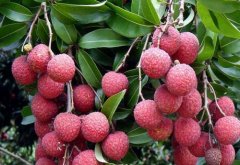
Rational Fertilization Methods for Lychee Orchards and Factors to Consider
Lychee cultivation is fairly widespread, and many regions have lychee orchards. So how should rational fertilization in lychee orchards be carried out, and what issues need to be considered? Let's take a look together! Rational fertilization in lychee orchards must take the following factors into consideration.
-

Four Key Points of Rice Seedling Cultivation Technology and Materials Needed for the Seedling Soil Formula
Rice is now our most important food, it is our staple food, so how much do you know about rice cultivation methods? Let's first take a look at the rice seedling cultivation methods below! Seedling cultivation methods 1. Seedbed soil Use one part wood shaving compost (each box weighs about 520 grams, 125 kg per hectare), add one part crushed rice husk (each box weighs about 150 grams, 36 kg per hectare), add one part soil (each box weighs about 800 grams, 192 kg per hectare), that is, a 1:1:1 volume ratio as the seedling cultivation material. The mixing method is carried out with a mixing mixer, or one part wood shaving compost and one part crushed rice husk are evenly spread on the upper layer of the soil pile, then mixed into the soil with a tractor, and finally screened with an electric soil crushing and soil sieving dual-purpose machine to obtain uniform seedbed soil. For covering soil, mix one part crushed rice husk with one part soil (that is, 1:1) for covering. The total soil amount including covering soil, calculated at 300 grams per box, is 264 kg per hectare. Compared with the current 432 kg of seedling soil mixed with rice husk and soil, this saves 168 kg per hectare (38.9%).
-
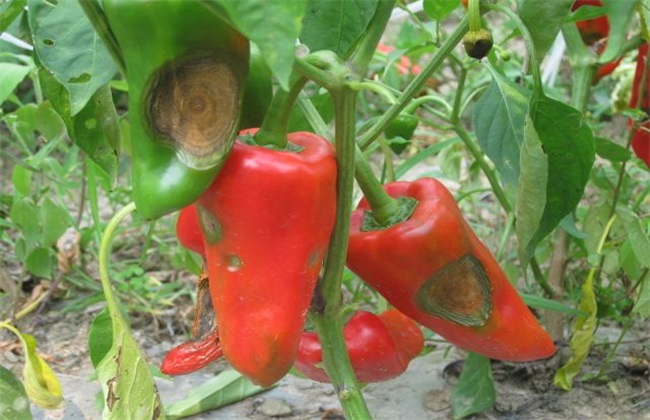
How to prevent and control pepper anthracnose? These methods you need to know
Preventing and controlling pepper anthracnose
-
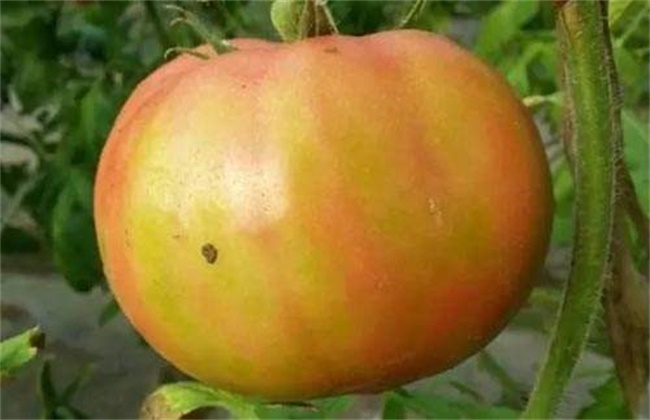
What should you pay attention to during the tomato color-turning stage? These key points you need to master
Notes on tomato color turning
-
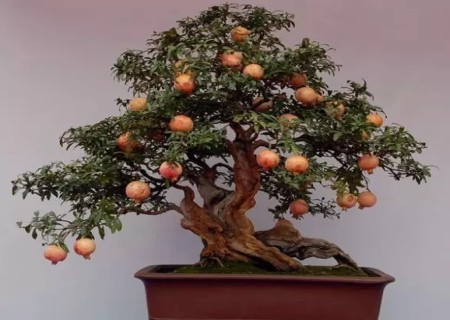
How many years does a bonsai pomegranate tree generally need to be grown before it bears fruit?
Everyone has a destined bonsai; even the most ordinary individual hides deep within a dream of a poetic life. A poetic life begins with bonsai! With its exquisitely crafted, graceful tree form, the pomegranate bonsai has passed through a long period of blooming splendor accompanied by green leaves. It brings us a tree full of red lanterns symbolizing happiness and reunion.
-
Introduction to potted lemon growing methods: do the seeds really need acidic soil?
When you eat a lemon, you can save the seeds and grow them yourself. Even during the cold months, a productive lemon tree can grow in your home. They look beautiful, from deep green leaves to snow-white flowers, and they also give off a pleasant
-

What should you do if the White Pine Needle Koi shows symptoms of disease?
Introducing the White Pine Needle Koi. The White Pine Needle is a type of Pine Needle Koi. Among koi varieties, it is one whose scales take on a pine-needle shape, whose whole body is white, and whose pine-needle-shaped scales each bear black markings. The White Pine Needle Koi, together with the Light Yellow Koi, belongs to the ancient koi varieties...
条件筛选