How to manage bitter melon during the flowering period? You need to master these key points
The first critical period in bitter melon cultivation is the flowering period. How well the flowering period is managed directly affects the fruit set rate of the next important period, the fruiting period, and directly affects yield. Therefore, during the flowering period it is very important to do a good job with fertilizer and water, temperature, humidity, pruning, ensuring pollination success, and preventing and controlling pests and diseases. This must be taken seriously when planting, and the specific management operations and points to note will be discussed below.
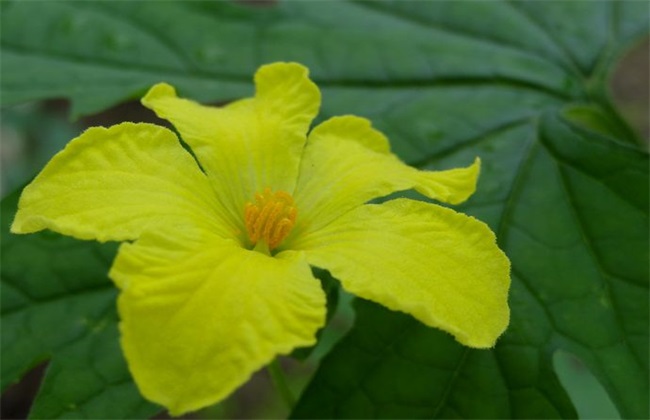
1. Controlled fertilizer and water
After tying the vines and before flowering, you can begin using flower-promoting fertilizer. Generally, compound fertilizer is mainly applied, with the amount of nitrogen fertilizer reduced and phosphorus and potassium fertilizer increased. After flowering, spray a 0.2% boron fertilizer solution to protect the flowers. When a batch of flowers has set fruit, apply a quick-acting chemical fertilizer once; after about 4 topdressings, all fruit set will be stable. Three days after the first flower-promoting fertilizer, irrigate once to ensure the moisture needed for flowering. After that, do not water unless there is drought, because watering will cause flower and fruit drop.
2. Temperature and humidity
The flowering period generally occurs around the beginning of summer, so the temperature should be somewhat higher, but not too high. Generally, the most suitable temperature is between 20 and 25°C. It can flower above 18°C. Above 30°C affects flowering, and higher temperatures can easily cause pollen death, incomplete floral organ development, and deformed flowers. During the flowering period, soil humidity is best kept at around 45% to 50%. If the surface is dry and the soil around the roots 3 cm below has sufficient water content, that is enough. The environmental humidity between plant rows can be appropriately higher to maintain leaf moisture, which helps nutrient transport.
3. Branch and vine adjustment
Once the flowers have set firmly, some weak flowers and excess flowers need to be thinned out. Generally, keep 4 to 5 female flowers and 1 to 2 male flowers on strong branches and vines, and keep 3 female flowers and 1 male flower on thin and weak branches and vines, to ensure good pollination and fertilization. After thinning the flowers, weak branches and vines can be removed promptly; generally, the main task is to remove weaker branches and vines. Keep 6 to 7 side branches on the main vine; small branches on the side branches can be thinned out when they become too dense. At other times, not much else needs to be done. This concentrates nutrients and ensures fruit quality.
4. Pest and disease control
The main insects harming the plants during the flowering period are aphids and whiteflies. They mainly damage the leaves, causing the leaves to lose their photosynthetic ability and be unable to supply products to the flowers, resulting in flower drop. Spray a 1500-fold omethoate aqueous solution or 10% imidacloprid wettable powder. The main disease is powdery mildew, which mainly affects leaves and stems. If disease occurs, promptly prune diseased branches, apply less nitrogen fertilizer, and do not allow waterlogging. Spray 50% colloidal sulfur at 100 to 500 times dilution. For anthracnose, spray 50% carbendazim at 500 to 600 times dilution, once a week for three consecutive times.
During the flowering period, first apply fertilizer to promote flowering, then maintain good temperature and humidity to sustain growth. In addition, adjusting branches and vines can concentrate superior resources to supply the fruit and ensure quality and yield. Finally, prevent and control pest and disease damage that causes flower drop and no fruit set. Doing these well constitutes the main management tasks during the flowering period.