What should you pay attention to during the tomato color-turning stage? These key points you need to master
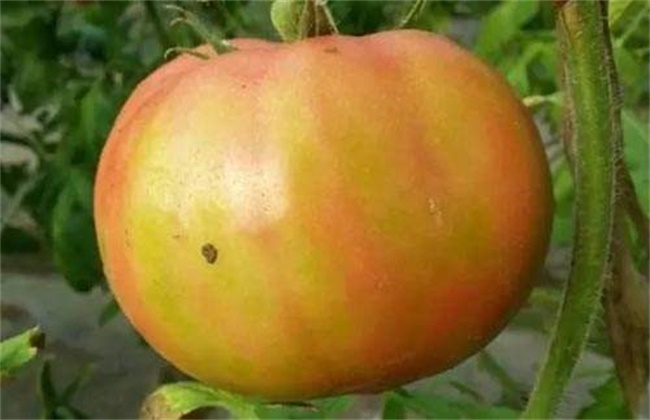
Tomato is a common vegetable in our daily life; it is both a vegetable and a fruit. During the tomato color-turning stage, its skin gradually ripens from green. If management is improper at this stage, it will cause tomatoes to form a blotchy face. And if you want tomatoes to color evenly and improve their marketability, you need to pay attention to several points in management. Let's take a look together with the editor below.
1. Temperature regulation
Many vegetable growers believe that raising the temperature can promote the speed of tomato coloring. This reasoning is not wrong, because tomato fruits gradually mature from the bottom to the top. If the temperature of the entire greenhouse is changed for the fruits on one cluster, doing so often brings more harm than good. If the temperature inside the greenhouse is too high for a long time, it will not only cause the plants to grow leggy, but also cause serious flower and fruit drop. During the tomato color-turning stage, temperature regulation should focus on the overall situation and be kept the same as usual; there is no need for special management.
2. Avoid excessive leaf thinning
Tomatoes need sufficient light during the color-turning stage, and the leaves around the fruit undoubtedly affect its permeability, so they should be thinned in time. Although doing so is beneficial to fruit coloring, it also has its drawbacks. Although removing a large number of leaves can enhance light transmission, with fewer leaves, the plant's leaf photosynthesis is also weakened. Without synthesizing enough nutrients, it is very easy to cause premature aging of the plant, and after the leaf-to-fruit ratio is unbalanced, the impact on yield is also relatively large. Therefore, during the tomato color-turning stage, pay attention to reasonable leaf thinning. Generally, you only need to remove the yellow leaves, old leaves, and diseased leaves at the lower part; do not thin leaves excessively.
3. Increase potassium fertilizer application
Potassium fertilizer can promote fruit expansion and is beneficial to fruit coloring; there is no doubt about this. However, after potassium fertilizer is applied to the soil, its fertilizer effect takes effect relatively slowly. Applying potassium fertilizer by flushing during the fruit coloring stage has little effect. Therefore, it should be applied by flushing in advance or fertilized according to a plan. Under normal circumstances, the base fertilizer before planting should be sufficient in potassium fertilizer. After entering the young fruit stage, potassium fertilizer should be applied together with watering, or foliar spraying should be provided to supplement the potassium fertilizer needed by the plants.
4. Disease prevention and control should be early
Tomatoes have fewer diseases in the early growth stage. The main diseases to prevent and control are early blight and gray mold. Early blight, also called target spot, can infect stems, leaves, and fruits. In the later stage, it often causes plant leaves to wither and die, branches to break, and fruits to fall off early, causing great harm. When sowing, choose varieties with strong disease resistance. After the seeds are disinfected and treated, sow them. At the same time, reasonable crop rotation should be carried out. It can be controlled with thiophanate-methyl, difenoconazole, and flusilazole, which should be used alternately or in combination. Gray mold mainly harms fruits and also infects stems and leaves. In severe cases, one third of the fruits will rot. To prevent and control gray mold, start with the environment, ventilate scientifically, and reduce the incidence of disease. When disease occurs, it can be controlled with procymidone, thiophanate-methyl, and iprodione.
The above is an introduction to the notes on tomato color turning. We hope it can help you. If you want to learn more related knowledge, please follow us. We will continue to update related content.