What to Do If a Mother Rabbit Refuses to Eat After Giving Birth? Causes and Solutions
Rabbits are very lovely animals, and whether they are meat rabbits, pet rabbits, or fur rabbits, they have a very large market demand in our country. When raising rabbits, the management of the mother rabbit during the kindling period is very important. However, sometimes the phenomenon of the mother rabbit not eating before and after kindling often occurs. So what causes the mother rabbit not to eat before and after kindling? And how should it be treated? Below, the editor will briefly introduce this to everyone. Let's take a look together!
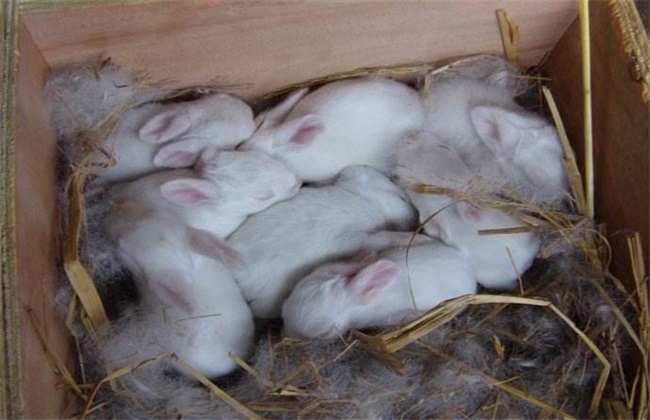
1. Causes of Not Eating
There are many reasons why a mother rabbit does not eat before and after kindling. First, if the mother rabbit is not given water in time after giving birth but is fed feed instead, then it will cause the mother rabbit not to eat. If the mother rabbit develops uterine inflammation after giving birth, then this is also the main reason causing the mother rabbit not to eat. When feeding, we should pay attention to matching the ratio of concentrated feed and green feed properly. If there is too much concentrated feed and too little green feed, then the lack of water will cause the mother rabbit's feces to become dry, leading to a decrease in appetite.
If the mother rabbit breeds too frequently, resulting in continuous pregnancy and nursing, it will exceed the mother rabbit's own capacity to bear. When the feed is unbalanced, the mother rabbit's intake and consumption will not be in direct proportion, and the digestive function will also be affected as a result. In addition, if the mother rabbit's breeding age is unsuitable, and mating is carried out before it has reached maturity, the harm caused to the mother rabbit is very great, and it will also affect the mother rabbit's growth. Finally, some parasitic diseases and wasting diseases can also cause digestive obstruction in the mother rabbit and affect eating.
2. Prevention and Treatment Methods
First, we must do a good job in feed formulation, using special rabbit feed to formulate pelleted feed. When the mother rabbit enters the gestation period, management should be strengthened to provide it with sufficient nutrition. After giving birth, the mother rabbit should be allowed to drink water in time to replenish the water lost due to giving birth. Anti-inflammatory drugs should also be added to the feed. About 2 days after giving birth, the mother rabbit's appetite is relatively poor. At this time, the proportion of green feed should be increased and concentrated feed reduced. After about three days, the proportion of concentrated feed should be appropriately increased, but it must not be increased excessively all at once; there should be a gradual process.
About one week after the mother rabbit conceives, the feed should be appropriately increased every day. One week before giving birth, special attention should be paid to the nutrition and digestibility of the feed, mainly using complete-price feed and green feed. It is also necessary to ensure that the mother rabbit has sufficient drinking water. Before giving birth, the rabbit cage should be disinfected to avoid bacterial infection. Then, breeding mother rabbits should be well selected, with an age kept above half a year and a body weight not less than 7 jin. If the mother rabbit develops inflammation after giving birth, antibiotics or antibacterial drugs should be used in time to strengthen the treatment of the inflammation.
Mother rabbits with poor constitution should be culled in time, and after about 10 litters, they should also be culled in time and are no longer suitable as breeding rabbits. The above is a brief introduction to how to treat mother rabbits that do not eat before and after kindling. This article is for reference only, and I hope it can help everyone!