Phalaenopsis (moth orchid) home growing methods and precautions
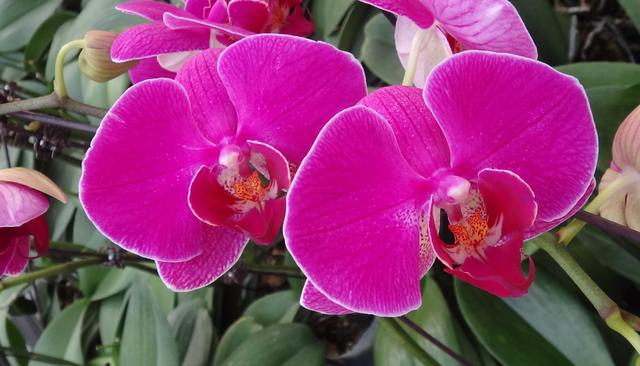
Phalaenopsis, named for its graceful posture and flowers shaped like butterflies, is widely cultivated around the world. To grow brilliantly colorful Phalaenopsis,mastering the growing methods and precautions for Phalaenopsis is essential.
Phalaenopsis likes a high-temperature, high-humidity, well-ventilated environment; it is not tolerant of waterlogging, tolerates semi-shade, and dislikes direct blazing sun and standing water; it fears the cold. The optimum growing temperature is 22-28°C, and the overwintering temperature should not be lower than 15°C.
The growing stage is 26-27°C, and the flowering stage is 19-21°C. When light is insufficient or the daytime temperature is too high, maintain it at 18°C to strengthen flower forcing (inducing flower buds).
Growing methods for Phalaenopsis:
1. Temperature
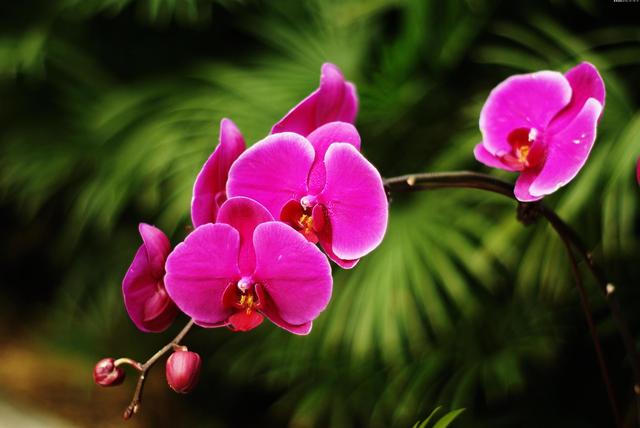
When growing Phalaenopsis at home, the first thing to ensure is temperature. Phalaenopsis likes a high-temperature, high-humidity environment, so attention should be paid to raising the temperature in autumn and winter, at the turn of winter and spring, and when winter temperatures are low.
When summer temperatures are on the high side, cooling is needed, and attention should be paid to ventilation.
2. Humidity
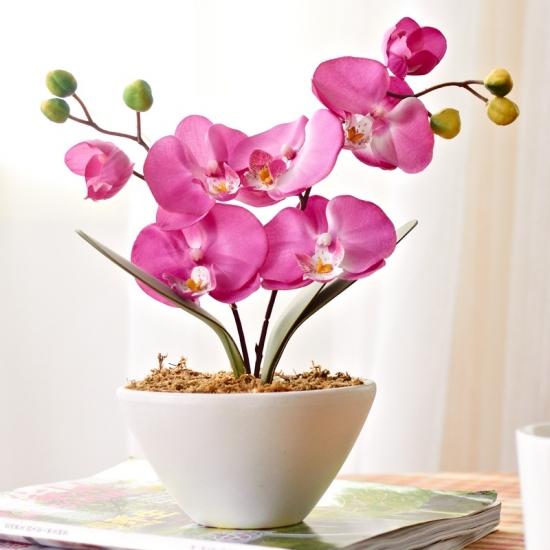
Phalaenopsis originates in primeval forests, where there is a lot of mist and the temperature is relatively high. Therefore, Phalaenopsis should be cultivated and cared for in a ventilated, high-humidity environment.
The suitable air humidity for Phalaenopsis growth is 60%-80%. Water more during the period of vigorous new root elongation, and water less during the dormant period after flowering.
The principle of watering is to water when dry and let dry between waterings; when the surface of the growing medium becomes dry, water thoroughly again, and the water temperature should be close to room temperature.
3. Light
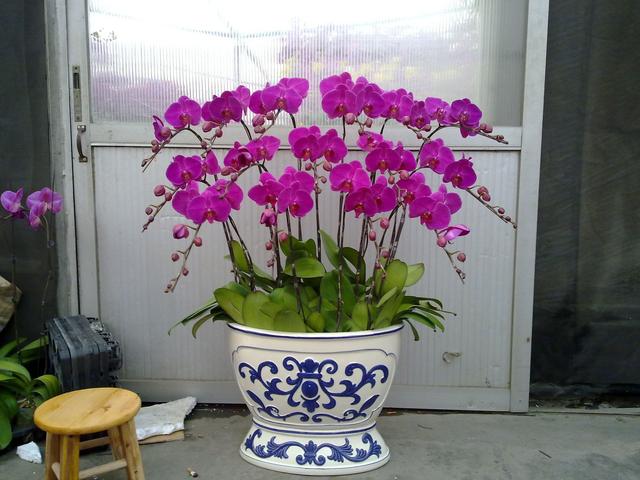
Although Phalaenopsis prefers shade, the plant still needs to receive some light; generally it should be placed in a spot indoors with diffused light, and should not be exposed to direct sunlight.
4. Ventilation
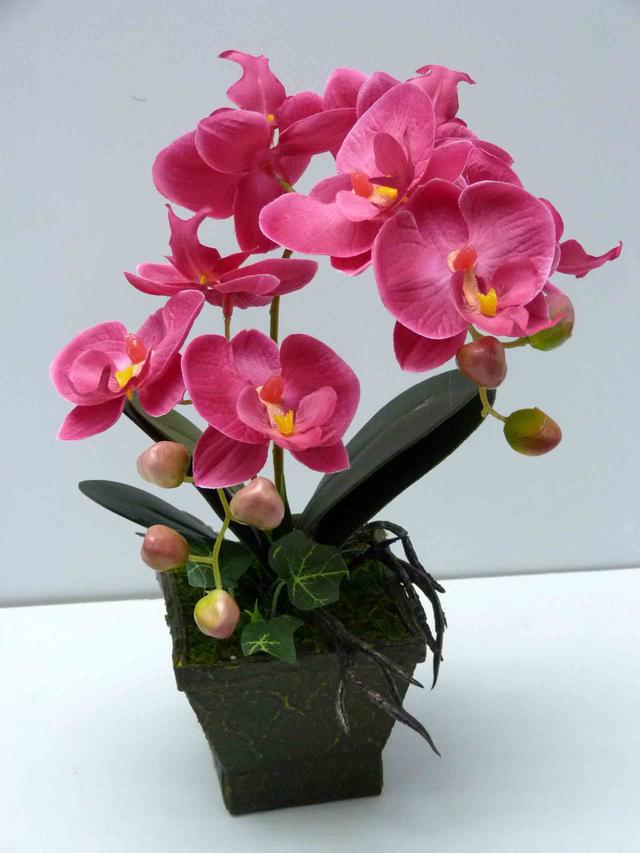
The normal growth of Phalaenopsis requires flowing fresh air, so home-grown Phalaenopsis must have good ventilation, especially during the high-humidity period in summer; good ventilation must be used to prevent heat stress, and it can also help avoid infection by pests and diseases.
5. Fertilizing
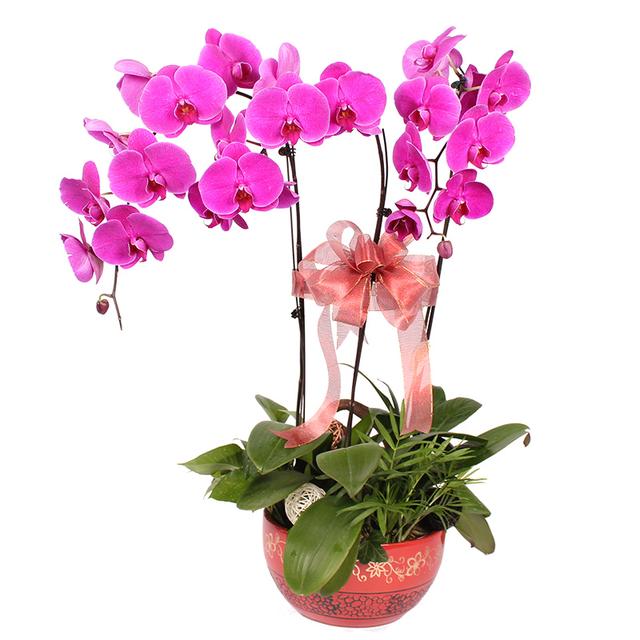
Phalaenopsis should be fertilized all year round; unless low temperatures persist for a long time, fertilizing should not be stopped.
The time to fertilize is after watering in the afternoon. After fertilizing several times, flush the pot and plant with a large amount of water to prevent residual inorganic salts from harming the roots.
6. Management
The flowering period of Phalaenopsis is generally around the Spring Festival, and the ornamental period can last as long as 2-3 months.
Precautions
1. Watering too frequently: friends who grow Phalaenopsis always worry that it lacks water and water it every day, causing severe root rot.
2. Temperature too low: the flowering plants of Phalaenopsis usually come on the market mostly in early spring, and after being bought and taken home they are generally placed in places such as the living room for appreciation. Although the daytime temperature in these places is sufficient, the nighttime temperature is somewhat on the low side.
3. Over-fertilizing: fertilizing whenever fertilizer is available, and not paying attention to concentration, thinking that applying fertilizer will make it grow faster.
4. Planting a small plant in a large pot: thinking that using a large pot can give Phalaenopsis a spacious environment and plenty of material. In fact, after using a large pot, the sphagnum moss is not easy to dry out; you should know that Phalaenopsis likes air circulation, and when air circulates it thrives.
5. Bud drop (dried flower buds): when buying flowers, try to choose ones with thick petals.
Phalaenopsis is prone to soft rot and gray leaf spot. Soft rot is extremely contagious; once discovered, immediately isolate the diseased plant. The diseased plant can be treated with mancozeb or thiophanate-methyl, usually sterilizing once every 15 days.
Growing flowers and trees requires not only a certain amount of skill, but more importantly your careful tending. The above is the growing methods and precautions for Phalaenopsis compiled by the editor, hoping to serve as a reference for you.