Common Problems of First-Time Mother Pigs and Scientific Solutions
Pigs are one of the livestock species with the largest breeding area in China. Pork consumption in China is the largest among all meat products each year, and pig farming is now very common. When raising pigs, the farrowing of sows is crucial, as it affects whether continuous and efficient breeding can be achieved. And when some first-time mother pigs give birth, many problems are often encountered. Below, the editor brings you several common problems of first-time mother pigs. Let's take a look!
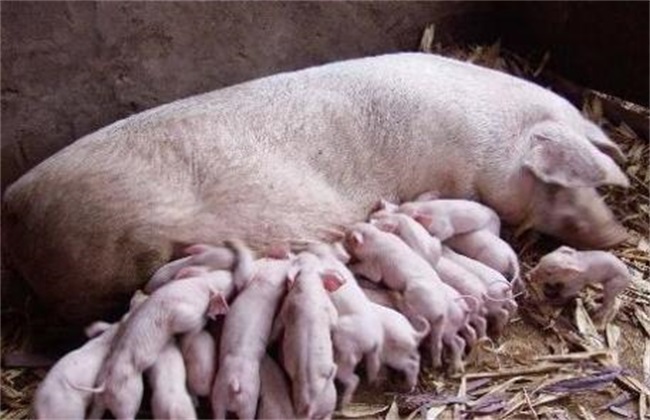
1. Eating little during gestation
Many people encounter a problem when raising pigs: some first-time mother pigs will noticeably reduce their feed intake when they enter the gestation period. In this case, the fetal pigs will suffer from insufficient nutrition. The main reason for low feed intake during gestation is that some sows have a weak physique, so they cannot compete for feed within the herd, resulting in reduced feed intake. For this phenomenon, we should reasonably divide the herd, grouping and raising them according to strength and weakness, or raising them individually, to ensure the feed intake of each pregnant sow and improve the quality of the piglets.
2. Eating little during lactation
Eating little during lactation is also a problem that first-time mother pigs often have. Because after farrowing, the sow will experience severe weight loss, and if feed intake decreases further, then milk production will certainly be insufficient. And if the piglets do not have enough breast milk, then a series of problems will arise, seriously affecting the growth of the piglets. Therefore, in order to increase the feed intake of lactating sows, we should improve the nutritional level of the feed, enhance the quality of the feed, and improve the sow's living environment.
3. Poor piglet quality
The piglets delivered by first-time mother pigs are generally slightly inferior in growth ability to those delivered by sows that have farrowed before. The piglets of first-time mother pigs are lighter in weight and less vigorous, and are prone to becoming weak piglets. The main cause of this situation is still that the uterus of the first-time mother pig is not large in capacity, combined with low feed intake during gestation. We can only raise the small-sized and slow-growing piglets together and ensure there are sufficient sows to prevent excessive deaths of weak piglets from affecting breeding benefits.
4. Long interval between weaning and estrus
After first-time mother pigs are weaned, many problems will also appear. The most common one is that the interval before the second estrus is very long, and even if estrus occurs normally, the number of piglets born will also be reduced due to the impact. This is mainly caused by insufficient feed intake after weaning; if the physique does not recover as soon as possible, this problem will occur. Therefore, we should not only improve the nutritional level of the feed during the sow's lactation period, but also appropriately reduce the sow's burden. If the sow's milk production is insufficient, we should reasonably regulate the number of piglets and do a good job in piglet fostering.
The above is a brief introduction to several common problems of first-time mother pigs. That's all for today's introduction. This article is for reference only, and I hope it can help everyone!