-
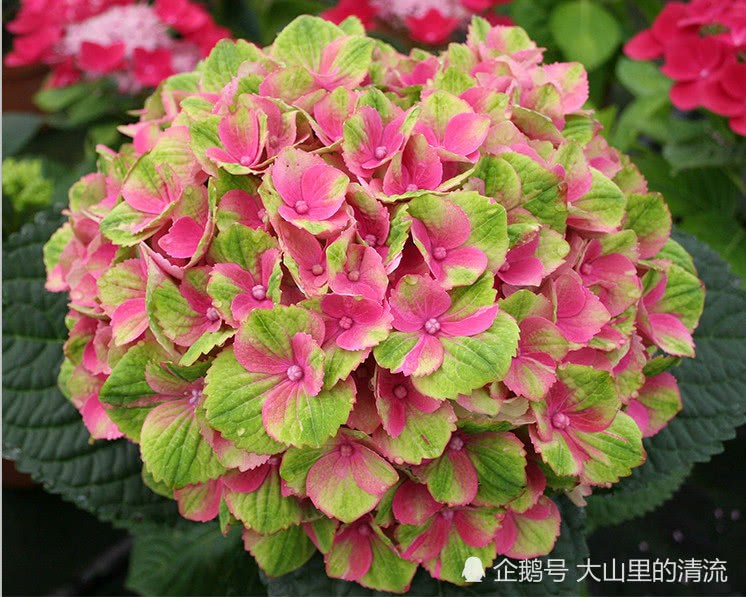
Spring care methods and precautions for hydrangeas
Although summer has already arrived now, and hydrangeas are currently in their glorious blooming period, how to make them bloom well right now makes spring care very important. If you don't know how to manage them and have missed this year's spring, you can still learn it and save it...
-
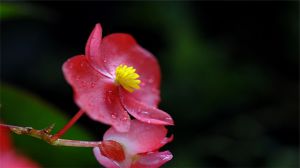
How to sow wax begonia seeds? Detailed sowing methods and steps
To sow wax begonia, choose a flower pot that has good air and water permeability and is slightly shallow, along with loose, nutrient-rich soil, and choose April or May as the sowing time. When sowing, first put the coarser soil in the lower part of the container, then mix the seeds with finer soil and scatter it on the surface of the potting soil, and finally cover it with a layer of plastic film.
-
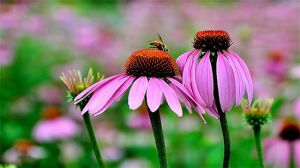
How to grow purple coneflower (Echinacea) from seed? Sowing methods and key care points
Sowing purple coneflower seeds is best done in late April or early September. Choose soil with good drainage and aeration, and select plump seeds that are not damaged. The sowing method is to sow mixed with soil: first put half of the soil into the container, then mix the other half of the soil evenly with the seeds and pour it into the container, and finally water thoroughly.
-
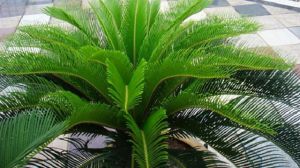
What are the cultivation methods and precautions for sago palm (Cycas revoluta)?
Soil: Sago palm needs a well-drained, loose, fertile, slightly acidic sandy soil. Light: place it in a spot with plenty of sunlight, especially when it is growing new leaves. Temperature: in winter it should not go below ten degrees; during high temperatures, spray water to cool it down. Water: once every three to five days in spring and autumn; twice a day in summer; once every ten days in winter. Fertilizer: mainly nitrogen and potassium fertilizers.
-

How to grow bamboo? Detailed guide to cultivation methods and precautions
Soil: To grow bamboo, use loose, fertile sandy soil, preferably neutral or acidic. Watering: Water thoroughly right after transplanting, but do not water too much afterward. Fertilizing: When planting or transplanting, you can mix some fertilizer into the soil, and after it grows, apply regular topdressing. Light: In summer it needs shading, and in winter place it in a spot with good light. Pests and diseases: Once discovered, promptly deal with diseased leaves.
-
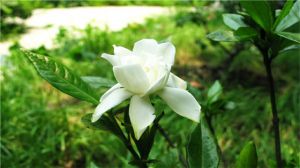
What are the care methods and precautions for growing gardenias?
Soil: Growing gardenias requires loose, well-aerated, slightly acidic soil with a pH between 5-6. Light: It needs plenty of light; except in midsummer, it can be grown directly in sunlight. Water: Keep the potting soil moist except in winter; in summer, take measures to raise the air humidity. Temperature: Normally 20-28°C, and 5-12°C in winter.
-
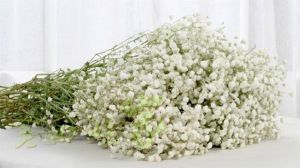
How to Grow Baby's Breath? Planting Methods and Daily Care Tips
Growing baby's breath requires loose, breathable, nutrient-rich, slightly alkaline sandy loam soil, a moist soil environment, a temperature of 10-25°C, and plenty of sunlight. In addition, watch out for leaf spot disease and scale insects. Propagation can be done by sowing seeds or taking cuttings.
-
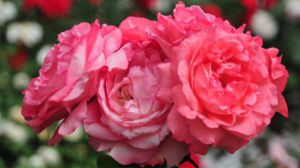
How to grow roses? Detailed guide to cultivation methods and precautions
Soil: To grow roses, choose a slightly acidic soil that has moisture-retaining ability, can drain excess water promptly, and has a relatively high nutrient content. Light: It needs 5-6 hours of light per day. Temperature: Normally 18-20°C, above 5°C in winter, and below 30°C in summer. Watering: Decide whether to water based on how dry or moist the soil is, and water after the soil has dried out.
-
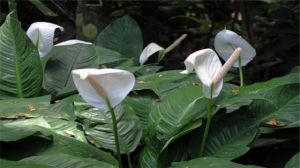
How to care for a peace lily? Growing methods and precautions
To grow a peace lily, use a clay or ceramic pot, and give it soft, breathable, nutrient-rich soil rich in humus, a temperature of around 20°C, a semi-shaded growing environment and enough water. In addition, watch out for leaf spot disease and scale insects. If you want to propagate it, you can use sowing or division.
-
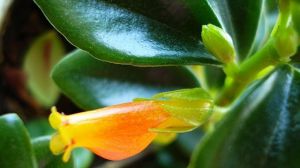
Will Goldfish Plant Die in Winter? A Full Guide to Winter Care Methods
In winter, if a goldfish plant survives two days in an environment below 10 degrees, its leaves will turn yellow and fall off; if the temperature stays below 10 degrees for a long time, it will slowly die; it has a short dormant period during winter, and at this time overwatering can also easily cause death.
条件筛选