How to grow roses? Detailed guide to cultivation methods and precautions
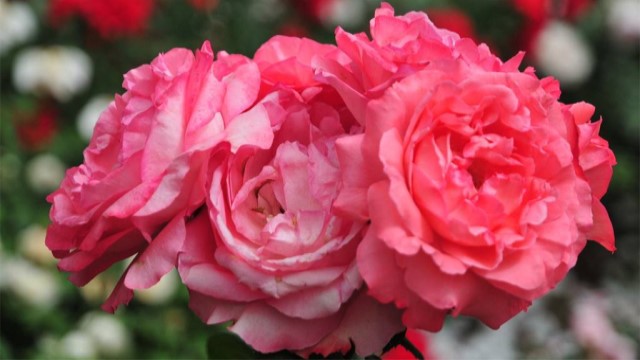
1. Soil
Roses like moisture and fear dryness and waterlogging, and they prefer an acidic growing environment, so growing them requires choosing a slightly acidic soil that has a certain moisture-retaining ability and can also drain excess water promptly. In addition, because their growth and flowering require many nutrients, choose a soil with a relatively high nutrient content.
2. Light
Roses are sun-loving plants and need sufficient sunlight to grow normally. Specifically, the daily light duration must not be less than 5-6 hours. They are not shade-tolerant. If they do not get sufficient light for a long time, they will grow leggy and be difficult to flower. However, when the sunlight is too strong in midsummer, they must not be exposed to direct sun, otherwise they will be sunburned.
3. Water
When to water roses needs to be decided according to how dry or moist the soil is. If it still feels a bit moist to the touch and soil sticks to your hand, you can hold off on watering for now. If it feels dry to the touch, you need to water, and water thoroughly. In general, water according to the principle of "do not water if not dry, and water thoroughly when watering." In summer, when the air is too dry, spray some water mist to increase air humidity.
4. Temperature
Roses grow best at a temperature of 18-20°C, and begin to go dormant when the temperature exceeds 30°C or falls below 5°C. During care, pay attention to adjusting the growing temperature to 18-20°C. When the temperature is too low in winter, certain cold-protection measures need to be taken, and when the temperature is too high in summer, spray water promptly to lower the temperature and increase humidity.