-
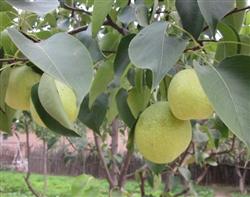
Pear tree cultivation: What methods can make pears larger and increase yield?
What methods can make pears larger and increase yield? Please provide guidance. To make pears larger and increase yield, you can refer to the following methods for planting: 1. Improve the traditional tree shape. Most high-density pear orchards use the inverted herringbone shape or the double-layer open-center shape with a central leader, which is suitable for Dangshan pears. However, because early-maturing series varieties have a low branching rate...
-
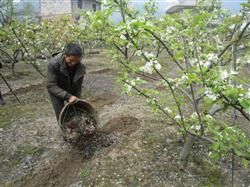
How to fertilize pear trees for good growth? A detailed guide to fertilization methods
How to fertilize pear trees for good growth? Please give an introduction. The life of a pear tree goes through several main growth stages: the young tree first-fruiting stage, the full-fruiting stage and the aging stage. At different growth stages, the fertilizer required differs. 1. Young tree first-fruiting stage: In early spring, a nitrogen-based fertilizer should be applied as a top dressing. After early summer, when new shoots stop growing, flower buds begin to differentiate and the fruit begins to swell, a phosphorus- and potassium-based fertilizer should be applied as a top dressing. After harvesting the fruit in autumn, a base fertilizer should be applied once more. 2. Full-fruiting stage: After bud break and before flowering, apply a nitrogen-based fertilizer once as a top dressing. From late June, when the fruit begins to swell, until just before harvest, root-zone top dressing (foliar spraying) should be carried out, and nitrogen, phosphorus and potassium fertilizers should be applied together during top dressing. After the pear fruit is harvested, the tree enters a recovery stage, and during this period the base fertilizer should be applied early. 3. Aging stage: After decades of growth and fruiting, the pear tree enters the aging stage, and four top dressings and one base fertilizer are applied throughout the year (an average of 250-500 kg of barnyard manure per tree each year).
-
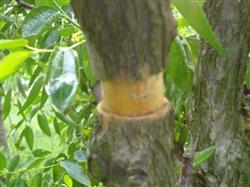
Why Doesn't the Jujube Tree Bear Fruit? An Analysis of Causes and Management Methods
Why doesn't the jujube tree bear fruit? Please explain the causes. The main reasons a jujube tree fails to bear fruit are the following three: Reason one why a jujube tree fails to bear fruit: excessive tree vigor. Solution: During the full flowering period of the jujube tree, perform ring barking (girdling) at the base of the main branches, cutting deep to the xylem, with a width of about 0.5 cm - roughly, however thick the bark is, that is how wide to cut....
-
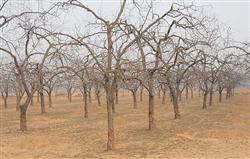
What are the methods for preventing and controlling pests and diseases of jujube trees in autumn and winter?
Please introduce the methods for preventing and controlling pests and diseases of jujube trees in autumn and winter? Detailed operation methods would be best. For the methods for preventing and controlling pests and diseases of jujube trees in autumn and winter, you can refer to the following methods: 1. Clean the orchard: Pests and diseases such as jujube rust, green plant bug, and jujube slug moth overwinter in fallen branches, leaves, or weeds under the trees. Therefore, after the jujube trees shed their leaves...
-
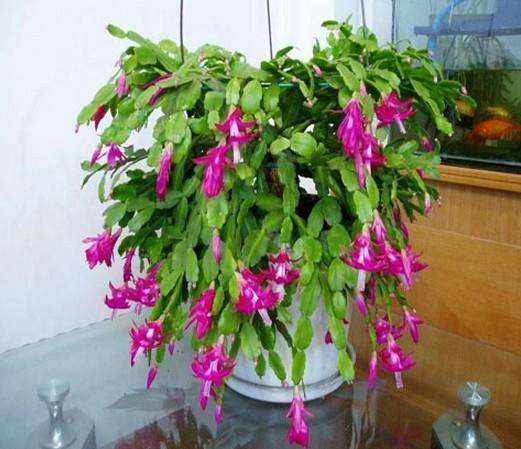
How to cool down potted plants in summer? 2 methods to stop leaves from wilting
This summer is much hotter than usual. The high temperatures are not only unbearable for people, but also bad for the care of flowering potted plants. For many flowering potted plants, the optimum growing temperature is generally below 30°C, which makes it hard for quite a few plants to withstand the heat, and the leaves gradually...
-
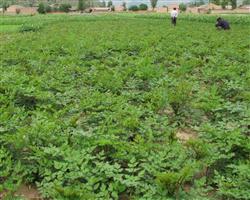
What are the control methods for Angelica sinensis pests and diseases?
How to control Angelica sinensis pests and diseases? Please give a detailed introduction. For pest and disease control in Angelica sinensis cultivation, you can refer to the following methods: (1) Root rot (Mako disease): mid-April, mid-June, early September, and early November after transplanting are the peak periods of the disease. It damages the roots, and an abundance of soil-dwelling pests favors its occurrence. Control methods: (1) Use 391...
-
What are the control methods for Angelica sinensis pests and diseases?
How do you control diseases and pests in Angelica sinensis? Please explain the methods. Here are several control methods for Angelica sinensis pests and diseases for reference: Root rot: soak the seedlings in 1:1:150 Bordeaux mixture, sterilize and kill insects in the soil: burn and smoke the soil more in the seedling bed. Brown spot: pay attention to field hygiene, promptly remove diseased leaves, and in the middle and late stages use 1:1:150...
-
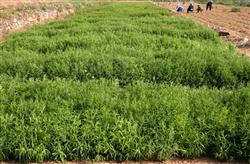
What are the propagation methods of Angelica sinensis?
How many methods are there for propagating Angelica sinensis? Please provide an introduction. Angelica sinensis is propagated by seed, generally using the method of raising seedlings and then transplanting, though direct sowing can also be used. 1. Raising seedlings and transplanting (1) Selecting seeds: After seed selection, Angelica sinensis yields about 14.6 kg more per mu than unselected seeds. The main selection method is selecting by seed head. At harvest time for Angelica sinensis, when the seed coat...
-
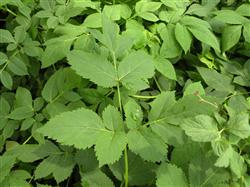
How to grow Angelica sinensis? Planting methods and key technical points
How to grow Angelica sinensis well? Please give guidance. To grow Angelica sinensis, you can refer to the following methods: For transplanted seedlings, loosen the soil and weed 3 to 4 times in 1 year, the first time when the seedlings are 3 to 5 cm tall. Apply topdressing after intertillage and weeding. For the first application, apply 1500 to 2500 kg of dilute human and livestock manure water per 667 sq m; for the second and third applications, apply 2500 to 3000 kg of decomposed...
-
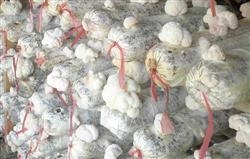
How do you manage the fruiting stage of lion's mane mushroom? These methods you need to master
How do you manage the fruiting stage of lion's mane mushroom? Here are methods you can refer to for managing the fruiting stage of lion's mane mushroom: 1. Create suitable humidity. During the growth and development of the fruiting body, water must be managed scientifically, and different amounts of water should be sprayed according to different conditions such as the size of the mushroom body, surface color, and clear weather. In summary: trenches...
条件筛选