-

How to store and plant tulip bulbs? Indoor care methods during the planting process
Tulip bulbs cannot be planted at any time, so do you know how to store them? Would you like to learn about it? Then let's take a look together! Choosing tulip bulbs for storage. Tulips are usually not sold ready to use at any time, so you will most likely need to prepare them
-
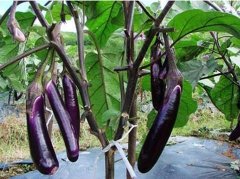
Introduction to the Cultivation Techniques and Management Methods of the New Eggplant Variety Orient Charm
Eggplants are an excellent addition to the home garden. These large, heavy plants provide warm-season gardeners with delicious fresh eggplant fruit. Although the diversity among eggplant varieties may not be as obvious as with other plants, open-pollinated varieties and newly introduced hybrids
-
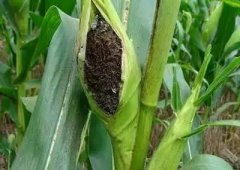
What Is Corn Smut? Causes and Control Methods
Corn smut is a fungal disease of the corn plant, caused by the pathogen Sphacelotheca reiliana. It is a systemic disease that can infect the plant as a seed, but symptoms do not appear until the plant reaches the flowering and fruiting stage. Smut is easily mistaken for
-
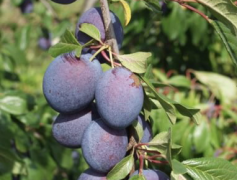
Valor Plum Tree: Fruit Ripening Time and Care Methods for the New Plum Variety
The Valor plum tree produces attractive purple-blue fruit, occasionally with a hint of red. The sweet, juicy plums are versatile and can be eaten fresh or used for preserving, canning or drying. If you live in USDA plant hardiness zones 5 to 9, you can
-
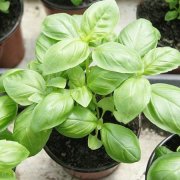
What is cinnamon basil? Master the sowing time and growing methods to easily get a full pot
What is cinnamon basil? Cinnamon basil is also known as Mexican basil and is native to tropical and subtropical climates around the world. Cinnamon basil plants thrive when temperatures are in the 80s and 90s (27-32°C or higher). This basil plant displays dark green leaves and cinnamon-colored
-
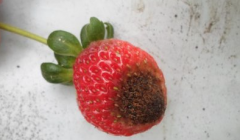
Strawberry Anthracnose: Causes, Symptoms and Control Methods
Strawberry anthracnose is a destructive fungal disease that can destroy an entire crop if left unchecked. Treating strawberry anthracnose may not completely eliminate the disease, but early attention can keep the problem under control. Strawberry Anthracnose Information Strawberry anthracnose was once
-
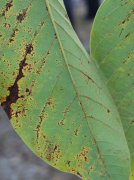
Symptoms and Control Methods of Rust Disease in Atemoya Orchards
Because orchards in mountainous areas and river valleys have high humidity, they are prone to triggering the spread and expansion of "annona rust." The Taitung District Agricultural Research and Extension Station of the Council of Agriculture (hereinafter referred to as the Taitung Station) recently monitored Beinan, Luye, and Donghe, among other areas, and found that some atemoya orchards
-
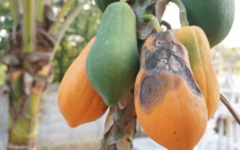
Causes and Control Methods of Anthracnose, the Main Disease of Papaya Fruit
Papaya (Carica papaya) is an attractive tree, prized for its tropical look and delicious edible fruit, a large green berry that ripens to yellow or orange. Some people call both the tree and the fruit papaya. When you see those sunken spots on papaya fruit, you
-
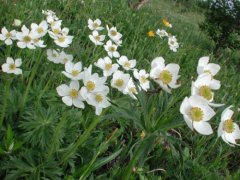
What Is Anemone? Appearance, Pictures, and Growing and Care Methods
Tall upright stems and deeply cut leaves topped with creamy white flowers describe the tall anemone. What is anemone? It is a North American native plant with vigorous growth and spreading characteristics, though not as bad as some other anemone relatives
-
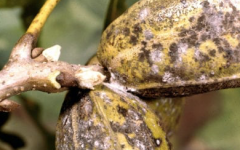
Symptoms, Damage and Control Methods of Pink Mold Disease on Pecans
Pink mold on pecans is a secondary disease that usually develops from a fungal disease called pecan scab when the nuts have previously been injured. The key to dealing with pink mold on pecans is to address the primary problem; if the pecan scab fungus is properly controlled, pecans with pink mold can usually be avoided.
条件筛选