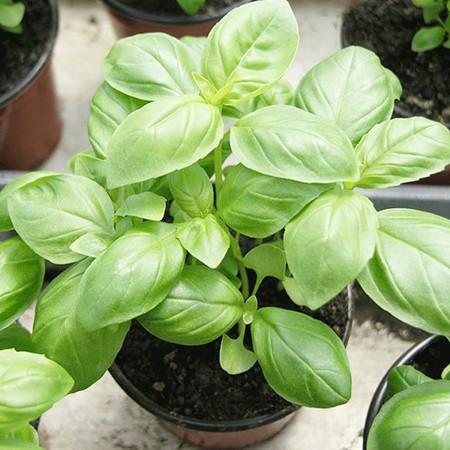
What is cinnamon basil? Master the sowing time and growing methods to easily get a full pot
What is cinnamon basil? Cinnamon basil is also known as Mexican basil and is native to tropical and subtropical climates around the world. Cinnamon basil plants thrive when temperatures are in the 80s and 90s (27-32°C or higher). This basil plant displays dark green leaves and cinnamon-colored
What is cinnamon basil? Cinnamon basil is also known as Mexican basil and is native to tropical and subtropical climates around the world. Cinnamon basil plants thrive when temperatures are in the 80s and 90s (27-32°C or higher).
This basil plant displays dark green leaves and cinnamon-colored stems. Cinnamon basil plants contain cinnamate, a compound that gives the herb a strong, spicy aroma and a cinnamon-like flavor. Interested in growing cinnamon basil? It is not difficult. Keep reading for more cinnamon basil information. Cinnamon Basil Information Cinnamon basil is sometimes used medicinally and is said to be beneficial for conditions such as constipation, headaches, coughs and diarrhea. It contains vitamins A and C and provides a good amount of vitamin K. The spicy herb is also favored by chefs, who use it as an attractive garnish or to flavor hot drinks or other dishes.
How to Grow Cinnamon Basil The easiest way to grow cinnamon basil is to buy small plants from a greenhouse or nursery. However, after all danger of frost has passed, you can plant the seeds directly in the garden. If you want to get a head start on the growing season, start the seeds indoors four to six weeks before the last frost. Cinnamon basil needs full sun and well-drained soil. Before planting, dig plenty of compost or rotted manure into the soil. Leave enough space for cinnamon basil, as the plants can reach 3 feet (1 m) in height and width.
Water cinnamon basil plants as needed, keeping the soil slightly moist but never soggy. Cinnamon basil grown in containers should be watered whenever the top 1 inch (2.5 cm) of potting mix feels dry. Do not overwater, as basil is prone to rot in muddy soil conditions. A thin layer of mulch helps keep the soil moist and prevents evaporation. As the plants grow, pinch off the tips of cinnamon basil to produce full, bushy growth. Remove spiky flowers as soon as they appear. Cut leaves and stems at any time during the growing season. The flavor is best when the plant is harvested before it flowers.
Watch for pests such as aphids and spider mites. Most pests are easily controlled with insecticidal soap spray.