What Is Anemone? Appearance, Pictures, and Growing and Care Methods
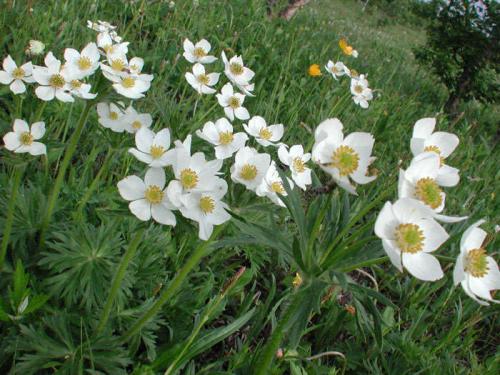
Tall upright stems and deeply cut leaves topped with creamy white flowers describe the tall anemone. What is anemone? It is a North American native plant with vigorous growth and spreading characteristics, though not as bad as some other anemone relatives
Tall upright stems and deeply cut leaves topped with creamy white flowers describe the tall anemone. What is anemone? It is a North American native plant with vigorous growth and spreading characteristics, though not as bad as some other anemone relatives. What makes this plant interesting is its blooming season, from spring to early fall. Continue reading for some tips on how to grow thimbleweed and enjoy the flowers in your garden.
You may find tall thimbleweed growing wild in moist, dense prairies, forest edges, savannas and other native plant thickets in the central and eastern United States as well as southern Canada. The name comes from the distinctive densely packed yellow pistil that resembles a thimble. This plant is ideal for native flower gardens, and caring for the tall thimbleweed is a breeze.
Anemone is an anemone plant. In fact, its botanical name is Anemone virginiana. It may be confused with Anemone cylindrica, but A. virginiana has a longer central fruit cluster. The plant can grow 2 to 3 feet (.61 to .91 m) tall, with slender, upright stems and leaves that are finely serrated with rounded edges.
How do you grow anemone? Anemone grows in dry to medium-moist soil, in partial shade or full sun. It prefers acidic to neutral soil and grows best where the soil contains plenty of organic matter. Once established, this plant is very drought-tolerant and cold-hardy.
Anemone grows quickly from seed or division of older plants. If you do not want the plant to fill in at will, caring for tall thimbleweed will require cutting the plant back in autumn to prevent the seeds from spreading.
It has few disease or pest problems and is hardy in USDA zones 2 to 8. It is a lovely flower for a dappled garden filled with other wild perennials.