-

Plant factories are overturning traditional agricultural cultivation methods
"Manufacturing" a ray of sunlight for plant factories. No soil, no sunlight, yet the vegetables here are especially green and lush, with yields several times higher than open-field cultivation. The nutrient solution is...
-

How to grow the golden fingers cactus? Growing methods and care tips
The golden fingers cactus belongs to the Cactaceae family and is also known as the golden hand ball or golden cylinder ball. Because it is easy to grow and does not prick people, it is loved by everyone and is often used in combination planters,...
-
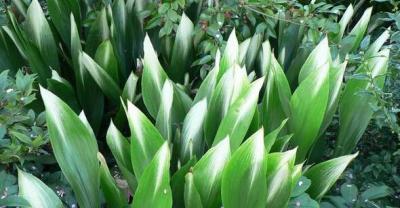
What are the cultivation methods and precautions for potted evergreen (Dieffenbachia)?
Evergreen is very common in our lives. There are many varieties of evergreen; what we usually call evergreen is just the general name for this large category. Common evergreen varieties include...
-
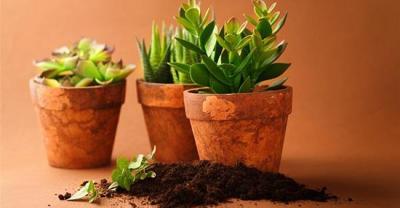
Simple DIY organic fertilizer methods for home gardening that keep flowers blooming continuously
Actually, when growing flowers and vegetables at home, you don't need to buy fertilizer. You can make fertilizer yourself from readily available household waste. And it's especially rich and effective. The method...
-
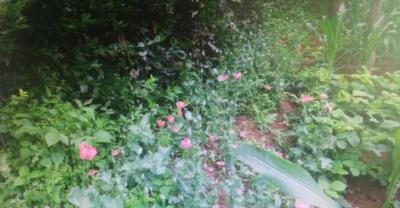
A Comprehensive Analysis of Ginseng Planting Techniques and Methods
Ginseng is called the "king of a hundred herbs" and is used for post-illness recovery, boosting physical strength, and more. It is a precious medicinal herb famous at home and abroad and known to young and old alike. Ginseng is neutral in nature, sweet in taste...
-
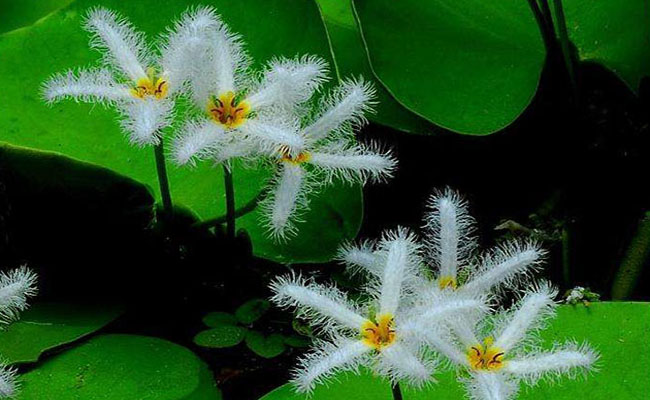
How to grow Nymphoides indica? Cultivation methods and pest and disease control
Nymphoides indica is a perennial aquatic herb. The stem is cylindrical, unbranched, resembling a petiole, with a single leaf at the top. The leaves float, nearly leathery, broadly ovate or nearly round, densely glandular beneath, cordate at the base, entire, with rather indistinct palmate veins, the petiole short, cylindrical; flowers numerous, clustered at the nodes, the pedicels slender, cylindrical
-
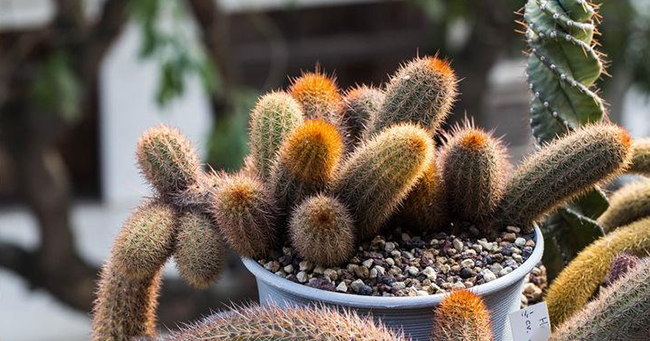
How to Grow the Golden Rat Tail Cactus: A Detailed Guide to Cultivation Methods and Precautions
Golden Rat Tail Cactus (Cactus) The Golden Rat Tail Cactus is a perennial succulent plant in the Cactaceae family. Its place of origin is Mexico in the Americas, and its stems are slender and soft. The flowers are brilliantly colored, and it can be grown as a hanging plant to create a unique display. The flowering period is from April to June. Morphological characteristics of the Golden Rat Tail Cactus: the stems are slender and cylindrical, 1.5-2.5 cm thick, up to 1.5 m tall, much branched
-
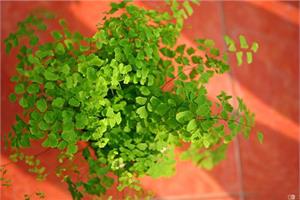
What are the cultivation methods and precautions for maidenhair fern
What are the cultivation methods for maidenhair fern? Precautions for growing maidenhair fern
-

A Complete Guide to the Flower Language and Cultivation Methods of Purple Roses
What Is the Flower Language of Purple Roses? Cultivation Methods for Purple Roses
-
What are the management methods after planting agarwood trees?
(1) Early-stage management In the early stage after agarwood trees are planted, attention should be paid to preventing drought, and they should be watered promptly according to weather conditions. During the young seedling stage, weeds should be removed and the soil loosened once each year in February-March, June-August, and October-November. During the young tree stage, fertilizer should be applied 2-3 times each year in combination with weeding. In the dry season, apply a light dressing of human and livestock manure water or ammonium sulfate or urea diluted with water. In the rainy season, open ditches around the planting holes and apply organic fertilizer mixed with superphosphate; if the trees are mature, open ditches and increase the application of organic fertilizer and green manure. When agarwood seedlings are young, the trees are small and also require a certain amount of shade, so it is best to plant a few rows of leguminous crops such as red beans or mung beans between the rows, and properly control their height and density so they do not overly shade the agarwood. To help the trunk grow straight and to facilitate artificial agarwood formation, prune once each year in autumn and winter the lateral branches on the lower part of the stem, as well as diseased, weak, and overly dense branches. In the first year, pruning should be light; simply cut off the lateral branches on the crown, diseased and insect-damaged branches, weak branches, and overly dense branches. Do not excessively cut away all lateral branches, as this will affect growth. Later, as time passes and the young trees gradually grow taller, gradually prune upward. Some lateral branches are best cut in two stages: cut half the first time to maintain a certain leaf area, and the second time cut them flush against the trunk.
条件筛选