A Comprehensive Analysis of Ginseng Planting Techniques and Methods
Ginseng is called the "king of a hundred herbs" and is used for post-illness recovery, boosting physical strength, and more. It is a precious medicinal herb famous at home and abroad and known to young and old alike. Ginseng is neutral in nature, sweet and slightly bitter in taste, and slightly warm. It can greatly tonify the original qi, restore the pulse and stabilize collapse, tonify the spleen and benefit the lungs, promote fluid production and quench thirst, and calm the mind and boost intelligence.
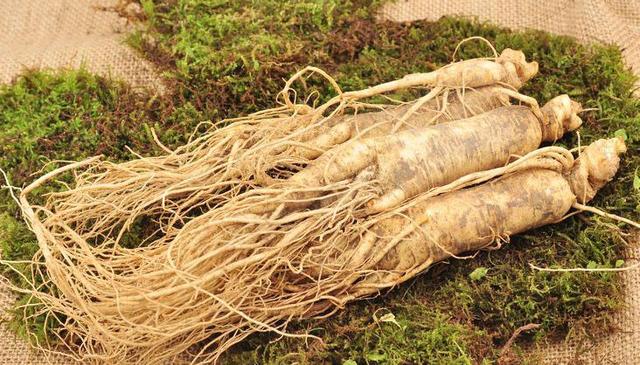
There are many varieties of ginseng: Changbai ginseng, American ginseng, Xiyangshen, Korean ginseng, American ginseng, Korean ginseng, forest-grown ginseng, and wild mountain ginseng. There are many ginseng products, including fresh ginseng, red ginseng, white ginseng,
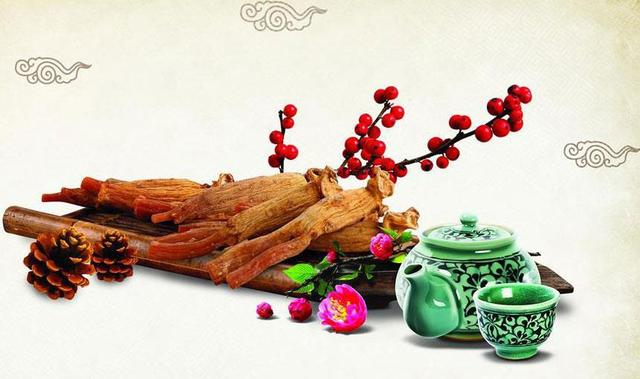
Ginseng Planting Techniques
(1) Site selection: Choose fertile land rich in humus, with good drainage and permeability, such as barren hills, wasteland, or garden land.
(2) Land preparation: Carry out deep plowing one year in advance, then leave the land fallow for one year. During this year, plow and turn the soil multiple times to mature the soil, and apply suitable base fertilizer along with the plowing. About one month before planting ginseng, raise the soil into ridges, then turn the ridges multiple times, break up the clods, and remove debris.
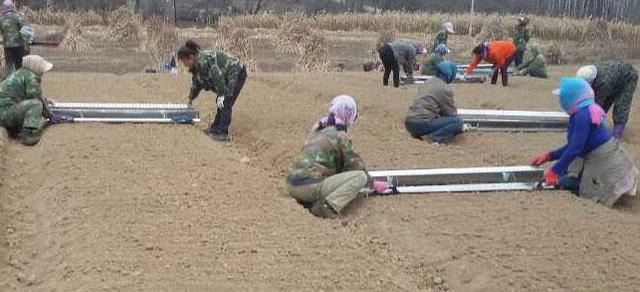
(3) Making beds: Ginseng beds are generally made 110-130 cm wide, 25-30 cm high, and any length, often 10-30 m. The spacing between beds in the width direction is the width of the working path, generally 150-300 cm wide. The beds must be raked fine, and the bed surface made into a raised bed shaped like a turtle's back. While making the beds, base fertilizer can be applied, preferably rotted leaves or green manure.
(4) Sowing: For dibbling, sow 1-2 seeds per hole and cover with 3-4 cm of soil; or for drilling, open shallow furrows across the bed at a row spacing of 10-15 cm, with a furrow width of 5 cm, sow the seeds, and often broadcast sow by making shallow troughs on the bed surface, evenly scatter the seeds on the troughs, then cover with 4-5 cm of soil. After sowing, press lightly and cover with grass.
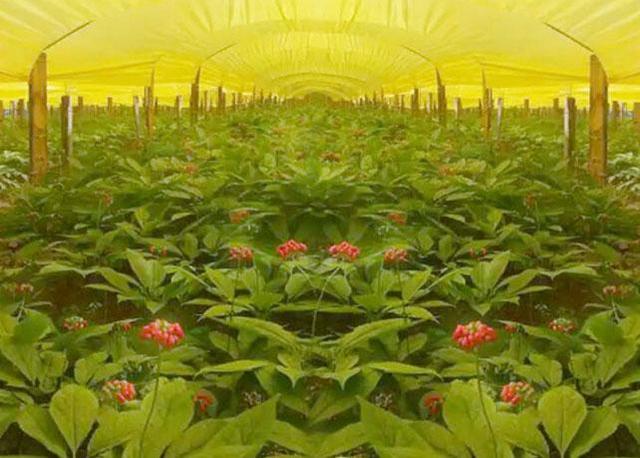
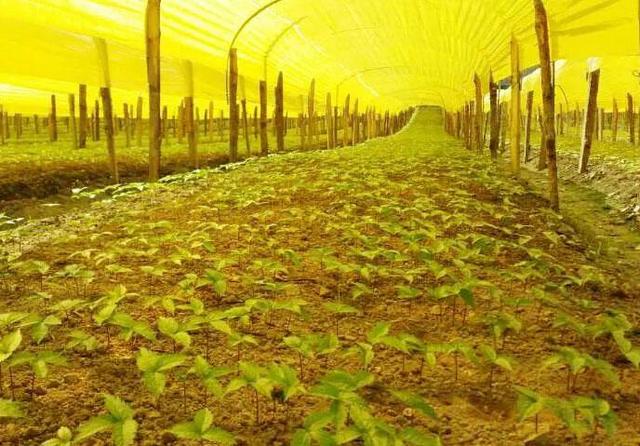
(5) Shading: Ginseng fears strong sunlight and exposure, so shading is required. In production areas, from mid-April to early May, frames can be set up with curtains to make shade sheds. At present, full shade sheds are more commonly used. Generally, for young ginseng, the front eave posts of the shade shed are 80-100 cm high, and the rear eave posts are 50-70 cm high; for older ginseng, the front eave posts of the shade shed are 100-120 cm high, and the rear eave posts are 70-90 cm high, with a shed width of 180-200 cm.
(6) Seed collection: Ginseng begins to flower and set seed at 3 years of age. Collecting seeds affects the yield and quality of ginseng, so seed is generally collected every other year, and flower buds should be removed in years when seed is not collected. Ginseng fruits mature successively, and bright red fruits are mature. Rub and wash off the fruit skin and flesh (the fruit skin, flesh, and the water from the first washing of the seeds should all be kept for processing products such as ginseng paste), and the washed seeds can be slightly dried and then used as water seeds for summer sowing.
[Harvesting and Processing]
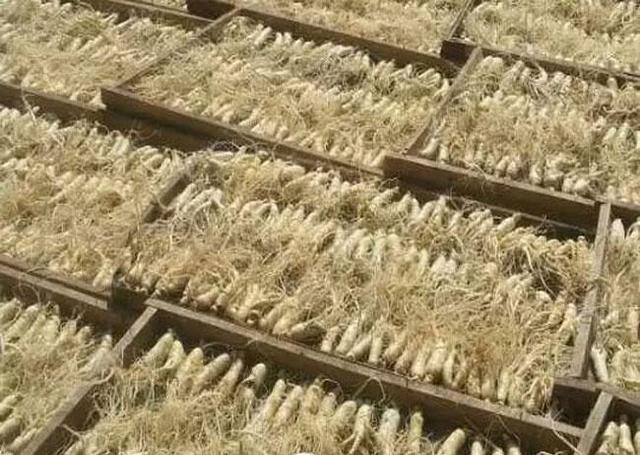
Ginseng can be harvested after growing for 4-6 years. The harvest time is in late autumn around "Frost's Descent," when the aboveground plants of ginseng turn withered and yellow. The method is to first dismantle the ginseng shed, cut off the aboveground stems and leaves, dig away the soil on both sides of the ginseng bed, and then dig in sections across the bed, digging deeply and to a consistent depth. Shake the soil off the harvested ginseng and transport it back immediately. There are many processing methods for ginseng, and the processing techniques are varied. According to the texture of the ginseng, it can be processed into red ginseng, sun-dried ginseng, and various other ginseng commodities.
Xinnong United Network (www.sczyg.cn) - dedicated to a professional, intelligent, and data-driven agricultural e-commerce platform. For more information, please follow the WeChat official account:xinnonglianheor search Baidu for "Xinnong United"
If you want to know more agricultural techniques, then quickly click below tosubscribeto us!