-

Processing Methods and Technical Key Points for Honey-Crisp Ginger
This product is a wet-type candied fruit. Although it is mainly purely sweet in flavor, because the product is crisp and has a strong fresh tender ginger flavor, it is a popular candied snack. The processing technology is as follows: 1. Raw material: use the youngest part of fresh young ginger, cut into pieces about the size of a thumb, pink in color; the raw material appears delicate and small and is expensive. 2. Peeling: each piece of young ginger is about 1-2 cm long, and the ginger skin can be removed by manual rubbing. 3. Color protection and hardening measures: soak in 0.1% calcium dichloride and 0.1
-
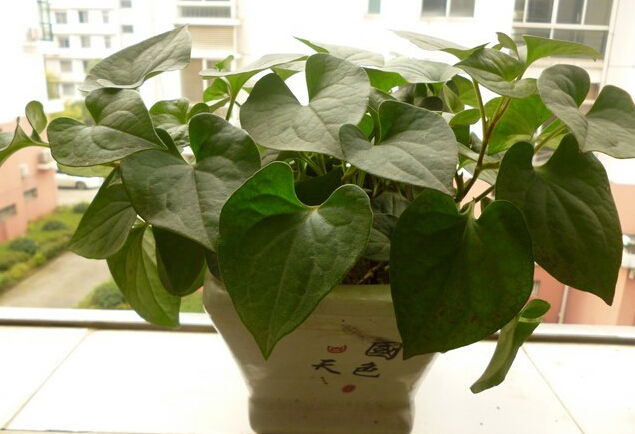
What are the cultivation methods and precautions for Houttuynia cordata (fish mint)
The seed germination rate is not high; germination is best at an alternating temperature of 17-25°C, with a germination rate of about 20%. Propagation by division, cuttings and rhizomes is all possible. Division propagation is done from late March to April: dig out the mother plant, divide it and transplant the divisions into a sandy soil seedbed to raise seedlings, or transplant them directly. Cuttings can be taken in spring and summer
-
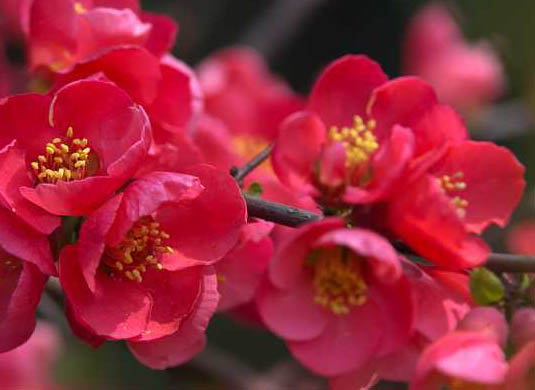
Cultivation Methods and Care Tips for Chaenomeles speciosa
Chaenomeles speciosa, also known as tie jiao hai tang (iron-footed crabapple). A deciduous shrub in the rose family (Rosaceae). Leaves elliptical to ovate, glossy on the surface; flowers open before the leaves or at the same time as the leaves, 3-5 blooms clustered at the nodes of 2-year-old branches, vermilion red, later fading to pale pink, with extremely short pedicels. Fruit nearly spherical, yellow when ripe, fragrant.
-
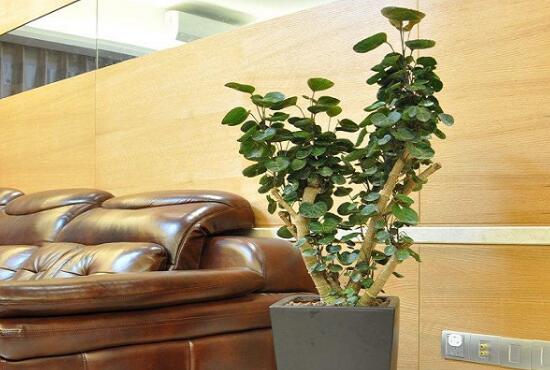
What to do when a money tree (Pachira aquatica) drops its leaves? Cause analysis and methods of supplemental lighting and less watering
The money tree, a foliage plant, has leaves shaped like a bib that make people like it at first sight. It is fair to say that the ornamental value of the money tree is entirely reflected in its leaves, so when the money tree keeps dropping leaves, flower lovers must be very anxious! So what should be done when the money tree drops its leaves?
-
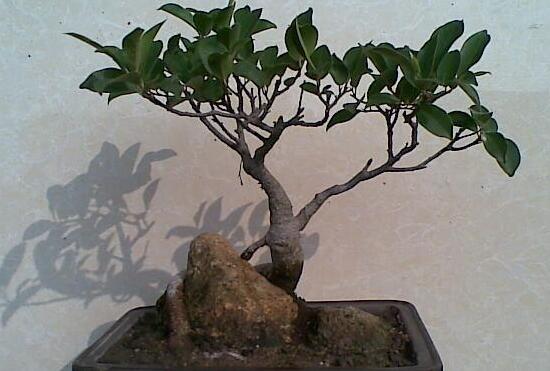
How often should Ginseng Ficus be fertilized and watered? Propagation methods and what to do when the leaves turn yellow
Ginseng Ficus, named because its roots grow just like ginseng, is an ornamental plant suitable for indoor cultivation. Keeping a Ginseng Ficus alive is, you could say, quite simple, but making it grow beautifully is not an easy task, especially when it comes to watering and fertilizing, which require special attention.
-
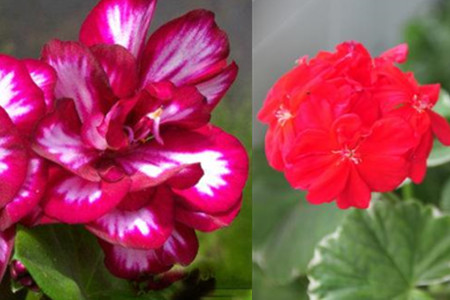
Silver-edged geranium leaves have white edges; these three care methods you need to know
The silver-edged geranium is different from the geraniums seen in daily life; the edges of its leaves are silver, it originated in southern Africa, and now it is grown all over the world. It blooms beautifully, has a long flowering period, and its flower colors are vivid, making it very popular in the flower market
-
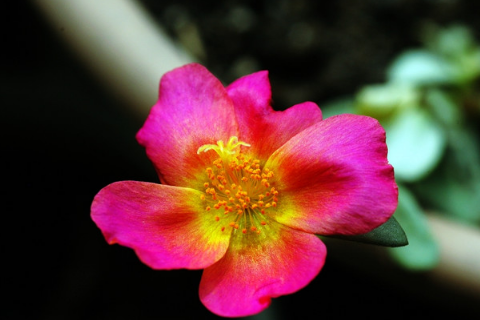
What are the cultivation methods and precautions for Rhipsalidopsis rosea?
Watering: In spring and autumn, water once a week to keep the soil moist. In summer, provide appropriate shade; in winter, keep the soil moderately moist, and the specific watering frequency depends on the room temperature. Fertilizing: Fertilize once a month, using a low-nitrogen fertilizer or a special succulent fertilizer. Light: During the flowering period, ensure sufficient light and move the plant as little as possible to avoid broken stems and fallen flowers
-
How to Grow Asparagus Fern? A Complete Guide to Cultivation Methods
Temperature and Light The suitable growing temperature for asparagus fern is between 20-30°C, and in winter it can overwinter safely as long as the temperature stays above 3°C. In winter, ensure the asparagus fern receives sufficient light. During the hot summer season, the asparagus fern should be moved to a well-ventilated, semi-shaded spot for care, to avoid scorched leaves and leaf drop caused by direct strong sunlight
-
How to grow a Mahonia bealei bonsai? Detailed care methods
Placement: Mahonia bealei prefers shade and grows well in a moist, sheltered environment, so its bonsai is best placed in a semi-shaded spot. During the high-temperature period in summer, shade it and spray water to prevent sunscald; it is not cold-hardy in winter, so it is best brought indoors to overwinter. Light: Mahonia bealei prefers a warm, humid, semi-shaded environment
-
How to grow potted bamboo fern? Learn the correct care methods
Soil and pot: Choose a 110 cm pot, height 20-25 cm, crown width 35-40 cm, 1 plant/pot. The substrate preparation requires loose, well-draining and well-aerated imported peat of 10-30 grade. Crush the peat with a machine and mix with water evenly. (Water standard: after mixing with water
条件筛选