What to Do When ZZ Plant Leaves Turn Yellow? Detailed Guide to Growing Methods and Precautions
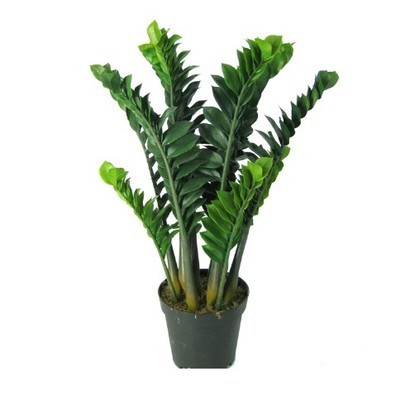
What to Do When ZZ Plant Leaves Turn Yellow: Growing Methods and Precautions for the ZZ Plant
ZZ plant division method: pull apart the tubers by hand at the weak points and bury them shallowly about 2 cm deep in the pot. Division is best done at temperatures above 18 degrees; sprinkle some plant ash on the broken surfaces.
ZZ plant light preference: the ZZ plant likes light and also tolerates shade, so it is best placed in a spot with ample light but some cover, which satisfies its light needs while avoiding direct strong light that causes the leaves to turn yellow.
Suitable temperature for the ZZ plant: 20-32°C is the suitable growing temperature. When summer temperatures exceed 35 degrees, growth slows, so black shading material should be used to cool it down; when winter temperatures fall below 5 degrees, the ZZ plant may suffer frost damage and should be moved indoors promptly for warmth.
Soil moisture for the ZZ plant: the ZZ plant prefers a relatively dry soil environment, so the soil should be kept slightly dry. In summer, because evaporation is high, water once a day; in autumn and winter, reduce watering frequency as much as possible and mainly mist the ZZ plant's leaves.
Fertilizing the ZZ plant: the ZZ plant is a heavy feeder and likes the nourishment of fertilizer. It is best to fertilize twice a month during its growing stage and when temperatures are above 15 degrees. Fertilizer types are available at flower markets. But when temperatures drop below 15 degrees, stop fertilizing, otherwise the roots and tubers will rot and the leaves will turn yellow.
Besides the factors above, pests can also cause ZZ plant leaves to turn yellow. If signs appear, buy pesticide promptly to treat the pests. As long as you pay attention to these key points, you can effectively avoid the phenomenon of ZZ plant leaves turning yellow. So, everyone now understands what to do when ZZ plant leaves turn yellow, right?
What to Do When ZZ Plant Leaves Turn Yellow: Growing Methods and Precautions for the ZZ Plant
The ZZ plant is also known as Zamioculcas and golden pine. It has no main stem above ground; adventitious buds sprout from the tubers to form large compound leaves, and the leaflets are fleshy with short petiolules, firm and deep green; the underground part is a fat tuber. Today the editors will introduce to youWhat to Do When ZZ Plant Leaves Turn Yellow? For details, please read on.
The ZZ plant is native to the tropical (grassland) climate zone of eastern Africa with relatively low rainfall. It likes warm, hot, slightly dry, semi-shaded environments with small annual average temperature fluctuations, is relatively drought-tolerant, but fears cold, hates strong direct sunlight, and fears heavy sticky soil and water accumulation in the pot. If the pot soil has poor drainage and aeration, its tubers can easily rot. It requires loose, fertile soil that drains well, is rich in organic matter, and is acidic to slightly acidic. It sprouts readily; after cutting off the thick compound leaves, new leaves quickly emerge from the top of the tuber.
I. What to Do When ZZ Plant Leaves Turn Yellow
1. Watering. The ZZ plant likes warm, hot, slightly dry conditions and is relatively drought-tolerant, so it should not be overwatered, otherwise leaves easily turn yellow. When grown on a home balcony, if it is above the 3rd floor, the potted plant can be placed on a wet sand tray, and mist the leaves regularly to wash away the fine dust attached to them, while also paying attention to providing shade. When grown indoors, when room temperature reaches above 33°C, mist the plant once a day and keep the pot soil slightly moist. In winter, mist the leaves and surrounding environment so that relative air humidity can reach above 50%. After Mid-Autumn, reduce watering or replace watering with misting, to help the newly sprouted tender leaves survive the winter safely. In addition, in winter pay special attention that the pot soil must not be overly wet; slightly dry is better, otherwise under low temperature conditions overly wet pot soil more easily causes root rot and even death of the whole plant.
2. Fertilizing. The ZZ plant relatively likes fertilizer, but the degree must be well controlled during fertilizing. During the growing season, apply a mixed solution of 02.% urea plus 0.1% potassium dihydrogen phosphate 2-3 times a month, or apply balanced fertilizer 20-10-20 (20-20-20) at a concentration of 200-250 ppm combined with calcium nitrate. After Mid-Autumn, to help it survive the winter safely, stop applying nitrogen fertilizer and continuously apply 0.3% potassium dihydrogen phosphate solution 2-3 times, to promote the hardening and filling out of the young leaf axes and newly sprouted leaves. When temperatures drop below 15°C, stop all forms of topdressing, to avoid fertilizer damage to roots under low temperature conditions.
3. Pests. Pests are also one of the reasons ZZ plant leaves turn yellow. In poorly ventilated and poorly lit environments, ZZ plant leaves are easily harmed by scale insects sucking sap. Control methods: for small-scale home growing, use clear tape to stick off the insects, or use a damp cloth to wipe away the live insects. For commercial cultivation, during the peak hatching period of the nymphs, spray 20% buprofezin wettable powder at 1000 times dilution, which gives good insecticidal results.
4. Soil. Insufficient soil acidity can also make ZZ plant leaves turn yellow. Due to the special climatic conditions of its place of origin, the ZZ plant has developed strong drought resistance, so the basic requirement for the growing medium is good aeration and drainage. The growing medium is mostly peat, coarse sand or rinsed coal cinder mixed with a small amount of garden soil, with the pH adjusted to between 6 and 6.5, in a slightly acidic state. Because its tubers are large, its root system is well developed, and its pinnate compound leaves are relatively long, it is best to plant it in a deeper blue-and-white porcelain pot or purple clay pot, but the bottom should have more stones, brick bits or bark chunks, about 1/4 of the pot's depth, to help create a root environment with good aeration and drainage. During the growing season, loosen the soil once a month and always keep the growing medium well aerated. During the plum rain season, check frequently; if water accumulates in the pot, promptly repot and change the soil.
II. Growing Methods and Precautions for the ZZ Plant
ZZ plant division method: pull apart the tubers by hand at the weak points and bury them shallowly about 2 cm deep in the pot. Division is best done at temperatures above 18 degrees; sprinkle some plant ash on the broken surfaces.
ZZ plant light preference: the ZZ plant likes light and also tolerates shade, so it is best placed in a spot with ample light but some cover, which satisfies its light needs while avoiding direct strong light that causes the leaves to turn yellow.
Suitable temperature for the ZZ plant: 20-32°C is the suitable growing temperature. When summer temperatures exceed 35 degrees, growth slows, so black shading material should be used to cool it down; when winter temperatures fall below 5 degrees, the ZZ plant may suffer frost damage and should be moved indoors promptly for warmth.
Soil moisture for the ZZ plant: the ZZ plant prefers a relatively dry soil environment, so the soil should be kept slightly dry. In summer, because evaporation is high, water once a day; in autumn and winter, reduce watering frequency as much as possible and mainly mist the ZZ plant's leaves.
Fertilizing the ZZ plant: the ZZ plant is a heavy feeder and likes the nourishment of fertilizer. It is best to fertilize twice a month during its growing stage and when temperatures are above 15 degrees. Fertilizer types are available at flower markets. But when temperatures drop below 15 degrees, stop fertilizing, otherwise the roots and tubers will rot and the leaves will turn yellow.
The above is what the editors introduced to you aboutwhat to do when ZZ plant leaves turn yellow, hoping it can help you. For more on what to do when ZZ plant leaves turn yellow, hoping it can help you.
What to Do When ZZ Plant Leaves Turn Yellow: Growing Methods for the ZZ Plant, What to Do When ZZ Plant Leaves Turn Yellow
The ZZ plant is a perennial evergreen herbaceous plant. It gets its name because its thick, neatly arranged leaves resemble strings of copper coins, and it is a popular excellent indoor foliage plant in recent years. The plant is 50 to 100 cm tall, with a fat tuberous stem underground 5 to 8 cm in diameter; the above-ground part has no main stem, and pinnate compound leaves sprout from the top of the tuber, with each leaf axis having 6 to 10 pairs of opposite or nearly opposite leaflets. The leaves are ovate, thickly leathery, dark green, and glossy. It blooms after 3-4 years of planting, producing a spathe-type inflorescence from the base. Below is an introduction to home growing and care methods for the ZZ plant.
Management and Care Techniques
1. SoilThe best growing soil for the ZZ plant is peat, coconut coir, and perlite at 4:1:0.5, among which the coconut coir and perlite need to be soaked in water to remove harmful substances. After mixing the medium soil well, disinfect it with 1000 times diluted thiophanate-methyl.
2. TemperatureThe suitable growing temperature for the ZZ plant is 25-32°C; too high or too low is unfavorable for growth. Above 35°C it stops growing; below 5°C for a long time it will suffer frost damage.
3. LightThe ZZ plant likes light and also has fairly strong shade tolerance, so it should be given an environment with good sunlight but a certain degree of shade. It hates direct strong light, and especially should avoid the scorching sun after long rain and sudden clearing in late spring and early summer, and the unobstructed strong light baking for 5-6 hours around noon in summer, otherwise the newly sprouted tender leaves are very easily scorched.
4. FertilizerThe ZZ plant relatively likes fertilizer. Besides adding an appropriate amount of decomposed cake fertilizer or compound fertilizer to the growing soil, during the growing season apply a mixed solution of 02.% urea plus 0.1% potassium dihydrogen phosphate 2-3 times a month. After Mid-Autumn, to help it survive the winter safely, stop applying nitrogen fertilizer and continuously apply 0.3% potassium dihydrogen phosphate solution 2-3 times, to promote the hardening and filling out of the young leaf axes and newly sprouted leaves. When temperatures drop below 15°C, stop all forms of topdressing, to avoid fertilizer damage to roots under low temperature conditions.
5. WaterFor misting the ZZ plant, follow the principle of watering after the soil dries and alternating dry and wet periods. In winter, water about once every half month; in spring and autumn, once a week; in summer, mist once every 3 days. Note that water must not be excessive, to avoid root rot and tuber rot, which affects normal growth or causes death. The water pH is best at 5-7.
6. Pest and Disease Control
(1) For routine sterilization and site disinfection, and to control tuber rot and brown spot disease, use 1500 times diluted thiophanate-methyl suspension concentrate and 1000 times diluted Rimild alternately.
(2) In poorly ventilated and poorly lit environments, ZZ plant leaves are easily harmed by scale insects; spray 20% buprofezin wettable powder at 1000 times dilution. For general routine control, use 2000 times diluted Wanling powder.
Care Notes
Pay attention to keeping warm in winter and moisturizing in summer. Normally, repot into a larger pot about every two years. During the growing season, fertilize once every half month; the best soil choice is a well-aerated sandy soil mixture, including garden soil and leaf mold, etc.
During the growing period, the ZZ plant sometimes develops yellow leaves. There are many reasons for yellowing leaves; some are caused by one reason, some by multiple reasons. During care, you must observe carefully and analyze the cause to carry out targeted prevention and control.
1. Water yellowingLong-term water accumulation and wetness in the pot soil cause soil oxygen deficiency, making part of the root system rot and weakening its ability to absorb water and nutrients. This shows as tender leaves turning dull yellow and lusterless, new shoot tips shrinking, and stems becoming thin and yellow-green. When this happens, loosen the soil, control watering, and stop fertilizing; in severe cases, remove the plant from the pot, place it in a shaded spot to dry the root ball, and then repot.
2. Fertilizer yellowingLeaf yellowing caused by too much fertilizer or too high concentration, especially excessive nitrogen fertilizer, shows as new leaves thick and glossy, but the leaf surface uneven and not spread flat, while old leaves gradually turn yellow and fall off. At this point, stop fertilizing and appropriately increase watering to dilute the nutrients. If the potted flowers have insufficient fertilizer and water, or the plant is large and the pot small, or the roots in the pot are aged or too crowded, the plant's leaves will also become thinner and yellow; at this point, repot and change the soil, usually done from the Rain Water solar term to the Start of Summer solar term.
3. Alkaline yellowingThis is often caused by the soil tending toward alkaline reaction, leading to chlorosis and yellowing. It shows starting between the veins of new leaves at the branch tips, while the leaf veins, especially the main veins, remain green, with a very obvious yellow-green mottled appearance. As the degree of chlorosis worsens, the leaf veins gradually lose green, then the whole leaf turns white, the leaf margins scorch and dry, and the leaves drop; in severe cases the branch tips die back and even the whole plant dies. For this "chlorosis" phenomenon, acidic fertilizer or acidic substances can be applied to improve it, or alum fertilizer water can be applied regularly.
4. Shade yellowingThis is often caused by insufficient indoor light, making branches and leaves wither and yellow; at this point the pot should be moved outdoors to a ventilated spot with light. For semi-shade-loving flowers such as asparagus fern, strong light will also make the leaves yellow, so avoid exposure to high temperature and strong light in summer, and move them indoors or set up a shade shed to house them.
5. Drought yellowingDue to long-term lack of watering, or too little watering, leaves turn yellow or have brown tips and brown edges, and old leaves wither, yellow, and drop from the bottom upward. But new leaves generally grow normally. When this happens, replenish water so the soil is no longer lacking moisture.
6. Scorch yellowingWhen this happens, simply place the pot in a shaded spot.
7. Damp-heat yellowingYellow leaves caused by poor ventilation and improper shading in midsummer, such as fuchsia showing this phenomenon in summer. So high temperature and high humidity also easily cause leaves to turn yellow; this kind of leaf yellowing can be prevented simply by paying attention to ventilation and cooling, and keeping the pot soil from being too wet.
To grow flowers, you must first remember the word "roots" - no good roots means no good leaves.