The Meaning of Pesticide Phytotoxicity and Remedial Methods
What is pesticide phytotoxicity? What methods are there to remedy it? I hope experienced netizens can help explain. What is commonly called crop phytotoxicity refers to various morbid reactions shown by crops due to improper use of pesticides. Therefore, Zhongdi Network has compiled the manifestations of pesticide phytotoxicity and some remedial methods, listed below for netizens' reference....
 What is pesticide phytotoxicity? What methods are there to remedy it? I hope experienced netizens can help explain
What is commonly called crop phytotoxicity refers to various morbid reactions shown by crops due to improper use of pesticides. Therefore, Zhongdi Network has compiled the manifestations of pesticide phytotoxicity and some remedial methods, listed below for netizens' reference.
I. Manifestations of phytotoxicity in crops:
1. Spots on leaf surfaces: These mainly appear on crop leaves, and sometimes also occur on stems or fruit surfaces. There are several types, including brown spots, yellow spots, and necrotic spots.
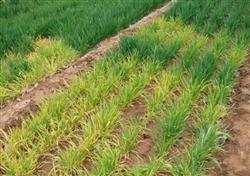
2. Yellowing of stems and leaves: This type of phytotoxicity appears on the stems and leaves of crops, but occurs more often on the leaves.
3. Deformities of leaves and fruits: After phytotoxicity occurs, this kind of damage may appear in various organs of the plant. Common deformities include leaf curling, clustering, root swelling, deformed ears, and deformed fruits.
4. Wilting of the whole plant: This type of phytotoxicity generally affects the entire plant, and is mostly caused by improper use of herbicides.
5. Stagnation of crop growth: Compared with stunting caused by physiological diseases, slow growth caused by phytotoxicity often has pesticide spots or other phytotoxicity symptoms.
II.Main causes of phytotoxicity in crops:
1. Using the wrong pesticide during spraying.
2. Mixing the pesticide at too high a concentration, or preparing the correct concentration but applying it repeatedly.
3. It is caused by high temperature, high humidity, and strong sunlight during application.
4. Applying pesticides during the sensitive growth stages of crops, such as the flowering stage and germination stage, can cause phytotoxicity.
5. Improperly mixing agents when applying pesticides.
6. Pesticide formulations and processing quality are also related to phytotoxicity, caused by product quality problems, such as counterfeit drugs and inferior pesticides.
III.Remedial methods after phytotoxicity occurs:
Method 1: Spray the crops with a large amount of water to rinse them, or rinse with slightly alkaline water, repeatedly spraying clean water 2~3 times, trying to wash off the chemicals on the plant surfaces as much as possible, and increase the application of phosphorus and potassium fertilizers.
Method 2: Promptly apply quick-acting fertilizer to the crops. On crops suffering from phytotoxicity, quickly apply fertilizers such as urea to increase nutrients and strengthen the growth vitality of the crops.
Method 3: Spray drugs that relieve phytotoxicity. For example, if crops suffer phytotoxicity from pesticides such as omethoate and parathion, a 0.2% borax solution can be sprayed on the affected crops; if rapeseed, peanuts, and others are excessively inhibited by paclobutrazol, gibberellic acid solution, etc. can be appropriately sprayed.
Method 4: Remove the parts of the crop with more severe phytotoxicity. This measure is commonly used on fruit trees.
How to prevent glyphosate phytotoxicity
The effects of zhongshengmycin