-
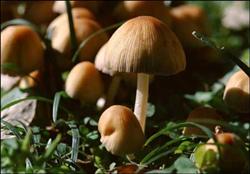
How to prevent red mushroom disease in straw mushrooms? Introduction to practical methods
"Red mushroom disease" may be brown rot, also known as blister disease, wet bubble disease, etc. It mainly affects button mushrooms, straw mushrooms, oyster mushrooms, etc. The disease is caused by a pathogen called Mycogone perniciosa. The main symptoms are: the conidia and chlamydospores of Mycogone perniciosa only infect the fruiting bodies, not the mycelium. When the fruiting body is lightly infected, ...
-
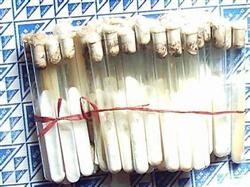
Detailed Guide to Methods and Tips for Selecting Straw Mushroom Spawn
Superior straw mushroom spawn is produced on a straw substrate and overwintered (10-15°C). After overwintering, those proven by early cultivation to be high-quality and high-yielding are selected. Mother spawn (first-generation spawn) is then obtained through tissue isolation and further expanded for culture, to supply spawn for that year's production. Mushroom growers should pay attention to the following points when selecting straw mushroom spawn: 1. Straw...
-
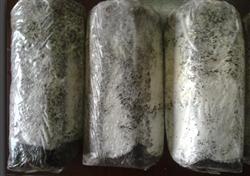
How to prevent vigorous mycelial growth in straw mushrooms? Three practical methods
(1) Do not make the growing medium too wet; the moisture content should not exceed 70%. When the temperature is low, choose noon or the afternoon for appropriate ventilation. (2) After spraying the fruiting water, open the doors and windows or remove the film to ventilate and exchange air, so that the medium temperature drops appropriately; ventilate until there are no water droplets on the surface of the medium, then appropriately close the doors and windows or cover with film again. (3) When cultivating with cottonseed hulls or waste cotton...
-
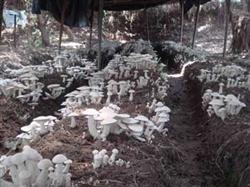
Fertilization Methods and Techniques for 4 Types of Mushrooms
1. Mushroom root soup. Boil the mushroom stems cut off during harvesting in water for 5 minutes, let it settle, then add 10 times the amount of clear water and spray to promote the growth of young mushrooms. 2. Substrate soak solution. Boil sun-dried fermented substrate in water, filter and take the liquid, add 10 times the amount of clear water and 10% calcium carbonate and spray to extend the fruiting time of the mushroom bed....
-
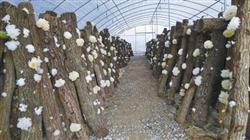
Production Methods and Technical Key Points for Tremella fuciformis Spawn
The producing areas of log-cultivated Tremella fuciformis include Tongjiang in Sichuan, Gutian in Fujian, Changbai Mountain in Northeast China, and the Huangshan area of old Huizhou. The traditional method for cultivating white wood ear (Tremella fuciformis) on logs (raw substrate) is: from March to April, inoculate the Tremella fuciformis spawn onto felled raw wood log sections in the field; after 80 to 90 days of mycelial colonization and cultivation, fruiting bodies appear in July and August. The raw...
-
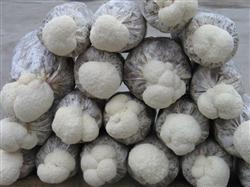
Indoor Cultivation Methods and Key Technical Points for Lion's Mane Mushroom
1. Select good strains: "A good strain is half the success of the mushroom," which shows that selecting good strains is the key to successful lion's mane mushroom cultivation. According to our years of research and practice, it is best to choose varieties such as "Hou No. 2" and "Hou Xuan 37" for bag cultivation. 2. Preparation of culture material. Formulas: (1) 88% cottonseed hulls, 10% wheat bran, 1% sugar, 1% gypsum powder; (2) cotton...
-
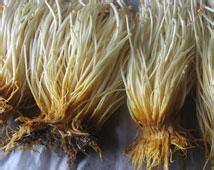
How to prevent and treat root rot in enoki mushrooms (Flammulina filiformis)? Detailed methods
Enoki mushroom base rot, also called root rot, mostly occurs on enoki mushrooms grown on raw substrate, but in recent years it has also become fairly common in sterilized-substrate cultivation and bottle cultivation, causing relatively serious damage. Symptoms: In the early stage of the disease, small water-soaked spots appear at the base of the stipe, and as the disease progresses they gradually enlarge and the color gradually darkens, ...
-
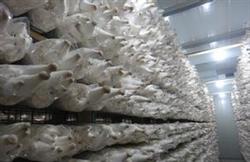
Key Techniques and Methods for Thinning Buds in King Oyster Mushroom Cultivation
During the cultivation of king oyster mushrooms, growers often fail to carry out the necessary bud thinning in time, which leads to many small mushroom buds growing on both sides of the mushroom bag after primordium differentiation, ranging from a few to as many as dozens. However, due to the limitations of nutrients and space, most of these buds cannot develop into marketable mushrooms and lose their commercial value...
-
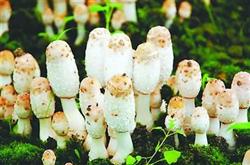
Harvesting Methods and Dried Product Processing Techniques for the Shaggy Mane Mushroom
The shaggy mane mushroom, also known as the shaggy ink cap, is a typical mesophilic variety. When the soil temperature is below 8°C, it cannot fruit normally; when the soil temperature is above 30°C, the mycelial vigor declines, the parasitic fungus Coprinus comatus pest mushroom appears in large numbers, and the shaggy mane crop is nearly lost entirely. By adopting measures to cool down in summer and warm up in winter, shaggy mane mushrooms can be produced year-round, but in summer...
-
Detailed Explanation of Five Post-Harvest Management Methods for Field-Grown Wood Ear Mushrooms
Remove contamination sources: culture material that is contaminated or severely affected by pests should be promptly disposed of and removed, and the contaminated environment should be cleaned and disinfected at the same time.
条件筛选