How to prevent and treat root rot in enoki mushrooms (Flammulina filiformis)? Detailed methods
Enoki mushroom base rot, also called root rot, mostly occurs on enoki mushrooms grown on raw substrate, but in recent years it has also become fairly common in sterilized-substrate cultivation and bottle cultivation, causing relatively serious damage. Symptoms: In the early stage of the disease, small water-soaked spots appear at the base of the stipe, and as the disease progresses they gradually enlarge and the color gradually darkens, ...
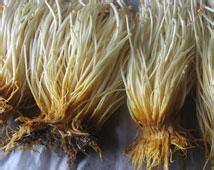
Enoki mushroom base rot, also called root rot, mostly occurs on enoki mushrooms grown on raw substrate, but in recent years it has also become fairly common in sterilized-substrate cultivation and bottle cultivation, causing relatively serious damage.
Symptoms: In the early stage of the disease, small water-soaked spots appear at the base of the stipe, and as the disease progresses they gradually enlarge and the color gradually darkens, later becoming dark brown and rotten. During the fruiting body development stage, the base of the stipe turns dark brown to black and rots; after the base rots, the fruiting body topples over. When young mushrooms are affected, they do not topple but gradually shrivel and stop growing.
Pathogen: The pathogen is Penicillium funiculosum in the Deuteromycotina, which grows on potato sucrose agar medium with grayish-white, slender mycelium and a fast growth rate. After conidia form, the colony becomes grayish-white and powdery, the medium beneath the colony turns dark red or purplish red, and later the entire colony becomes pink. Under the microscope, conidiophores grow out from the hyphae, growing in a finger-like manner, with long chain-like conidial chains formed at the tips; after the conidia mature, they detach from the top of the chain downward.
Disease characteristics: The pathogen mostly lives in soil and on organic matter, has weak parasitism and lives mainly as a saprophyte. It can spread through the air to cause primary infection. In environments with moderate temperature and high humidity or low temperature and high humidity, especially when water accumulates on the surface of the substrate for a long time, the pathogen infects, mostly invading from the stipe, and the disease spreads relatively quickly. The pathogen did not cause infection when artificially inoculated multiple times onto oyster mushroom fruiting bodies. This disease occurs more often in indoor cultivation and occurs on beds cultivated with raw cottonseed hull substrate.
Prevention and treatment methods
(1) When preparing the substrate, strictly control the moisture content, and during the fruiting body growth stage, avoid water accumulating on the beds for a long time.
(2) Maintain good sanitation in the mushroom house, ventilate in a timely manner, and keep the relative air humidity from exceeding 95%.
(3) Chemical control: When diseased mushrooms are found, remove them promptly, then spray 25% carbendazim at 1:500, or 70% thiophanate-methyl at 1:800, or 65% zineb at 1:500. Commonly used agents: carbendazim, thiophanate-methyl, zineb.