-
What to Do When Straw Mushrooms Die? Causes and Prevention Methods
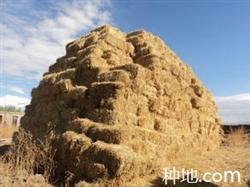
My hometown has a lot of wheat straw. Can wheat straw be used to grow straw mushrooms? Wheat straw can be used to grow straw mushrooms, but the following points need attention: The straw mushroom is a high-quality edible fungus and a typical high-temperature mushroom species, suitable for summer cultivation. The optimal temperature for straw mushroom mycelium growth is 30-39°C, with the optimum at 36°C. Below 15°C or above 4...
-
Oyster Mushroom Cultivation Techniques Sharing: A Comprehensive Explanation of Growing Methods
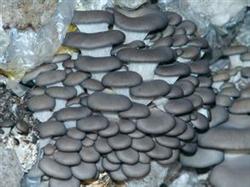
Some time ago, a netizen called and said: right now there are very few oyster mushrooms on the market and the price is good, so they want to cultivate oyster mushrooms in a greenhouse. But they are a bit lacking in technical know-how... Answer: For this situation, we recommend using the bag cultivation method for oyster mushrooms. At present, there are many methods for cultivating oyster mushrooms in our country, including bed cultivation, furrow cultivation, fungus bricks, bag cultivation, and intercropping or relay cropping with vegetables or crops...
-
Cultivation and Management Methods for Getting More Flushes of King Oyster Mushroom in Spring
Control the environment and try to keep the ambient temperature within the growth range. The growth temperature of king oyster mushroom (Pleurotus eryngii) is 6°C to 25°C. At 6°C to 15°C, the fruiting body grows slowly, but its tissue is dense and its color is attractive, so high-quality mushrooms can be produced. Bud-stage management 1. Increase ventilation Increase ventilation to promote cap growth and inhibit stipe growth...
-
Detailed Explanation of King Oyster Mushroom Bud Thinning Methods and Technical Key Points
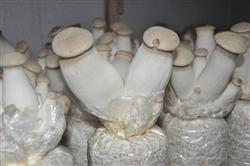
During the cultivation of king oyster mushrooms, growers often fail to carry out the necessary bud thinning in time, which leads to many small mushroom buds growing on both sides of the mushroom bag after primordium differentiation, ranging from a few to as many as dozens. However, due to limitations of nutrients and space, most of these buds cannot grow into marketable mushrooms and lose their commercial value....
-
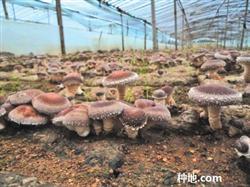
Detailed Explanation of Field-Cultivated Shiitake Mushroom Growing Methods and Technical Key Points
How are field-cultivated shiitake mushrooms grown? Please guide. The field-cultivated shiitake mushroom management techniques are introduced as follows: 1. Building the shed: According to the number of bags cultivated, build a spawn-running shed; generally every 10,000 bags occupies 120 sq m, and the light in the shed must not be too bright, otherwise it will affect the normal growth of the mycelium. 2. Preparing materials: Calculated for 10,000 bags, wet coarse...
-
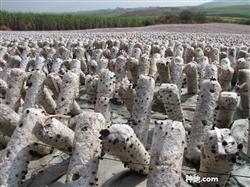
Methods and Technical Key Points for Cultivating Wood Ear Mushroom (Black Fungus) with Rice Straw
How to cultivate wood ear mushroom with rice straw? Please explain. After the autumn harvest, rural areas have large amounts of leftover rice straw, and throwing it away is a great pity. Cultivating wood ear mushroom with rice straw works very well and is also a path to wealth for farmer friends. Practice has shown that generally every 100 kg of rice straw can yield more than 10 kg of dried wood ear mushroom,...
-
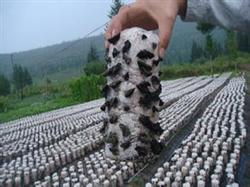
What are the leaf-bag cultivation methods for black fungus?
How to cultivate black fungus in leaf bags? Please advise. With the rapid development of bag-cultivated black fungus, traditional sawdust as a growing medium can no longer meet the demand in many places. The research group of the Edible and Medicinal Fungi Extension Center of the Science and Technology Association of Linkou County, Heilongjiang, succeeded in using leaves instead of sawdust to cultivate black fungus. This new technology...
-
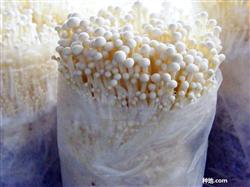
Control Methods for Black Spot Disease and Rust Spot Disease in Enoki Mushrooms
What to do when enoki mushrooms develop black spot disease and rust spot disease? Please advise. 1. Black spot disease: a bacterial disease caused by Pseudomonas bacteria. After infection, oval brown or dark brown spots appear on the caps of enoki mushrooms, initially needle-tip sized, expanding to 2-4 mm in diameter, with neat edges, and sometimes the caps crack. Control methods...
-
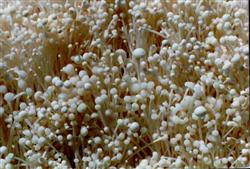
A Detailed Guide to Enoki Mushroom Regenerative Cultivation Techniques and Methods
How is enoki mushroom regeneratively cultivated? Please advise. Enoki mushroom has a strong regenerative branch characteristic: when young mushrooms dry out and wither, many new fruiting body primordia form on their stipes. With proper management of these primordia, they can all develop into high-quality mushroom bodies. This method has the characteristics of dense and uniform fruiting, thin stipes, being less prone to cap opening, good appearance...
-
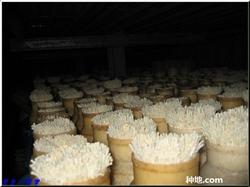
Summer Cultivation Methods and Key Technical Points for Enoki Mushroom
What are the requirements for cultivating enoki mushroom? Please note the following points when cultivating enoki mushroom: 1. Temperature The temperature requirements of enoki mushroom differ at each growth stage. The temperature range for mycelium growth is 3-34°C, with an optimum of around 23°C; the temperature required for fruiting body differentiation is 10-15°C, with an optimum of 12-13...
条件筛选