-
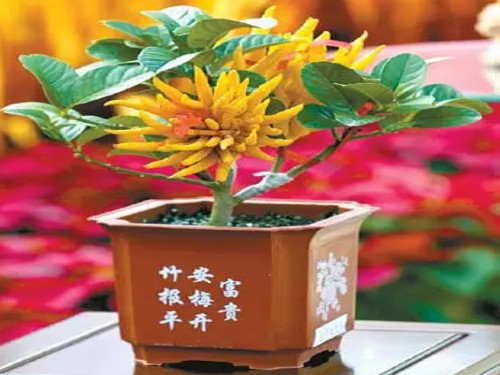
What are the care methods for a Buddha's hand bonsai?
Buddha's hand, also known as five-fingered citron, generally grows about 1 m tall. It is evergreen year-round, with green-yellow fruit and a refreshing fragrance. It has now become a valuable ornamental-fruit and ornamental-leaf potted flower, listed as an excellent indoor decoration. When its fruit matures, the carpels separate, forming slender, curved segments shaped like fingers, hence the name Buddha's hand.
-
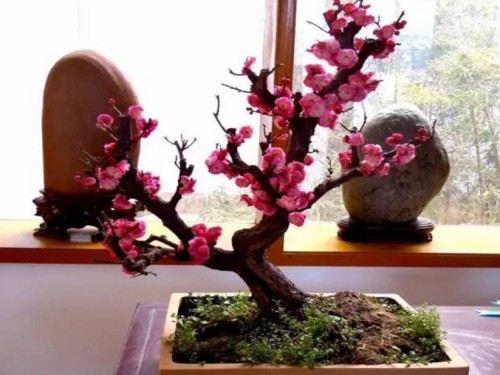
How to grow red plum bonsai? Detailed cultivation methods shared
The red plum tree has an elegant posture, with gnarled trunks that spread like a canopy, sparse branches stretching at a slant, and a rugged, ancient simplicity that makes it most beautiful. The best viewing period is during its blooming season, generally in February to March. If you want it to bloom during the Spring Festival, you can place the red plum bonsai in a greenhouse at around 10°C about 40 days before the Spring Festival, ensure sufficient sunlight, and spray water frequently.
-
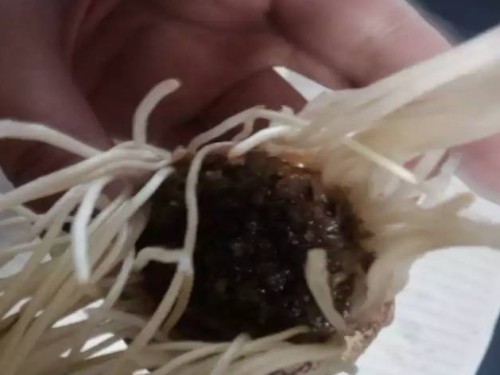
What to Do About Root Rot in Hydroponic Plants? Cause Analysis and Treatment Methods
Anyone who loves growing green plants knows that hydroponic plants are generally easier to grow than soil-grown plants. However, if they are not properly cared for, hydroponic plants are also very prone to root rot. So-called root rot means the plant's roots turn yellow, black, and soft; when you gently pull at the base of the root with your hand, the outer skin peels off very easily, leaving only the woody part.
-
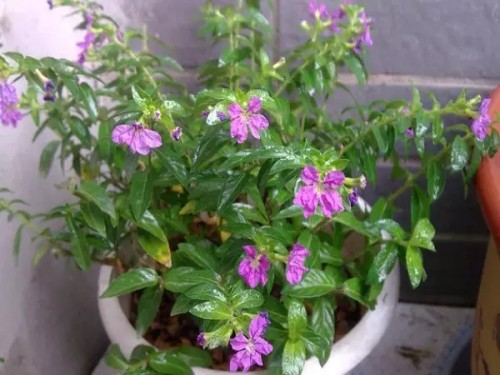
How to grow Cuphea hyssopifolia? A detailed guide to its cultivation methods
Cuphea hyssopifolia, also called purple false heather, belongs to the genus Cuphea in the family Lythraceae and is an upright small shrub. Because of its dense branches and abundant foliage, deep green and glossy leaves that stay evergreen all year round, and its beautiful flowers that bloom continuously throughout the year, it is easy to shape, tolerates pruning well, and has strong landscaping functions and ornamental value.
-
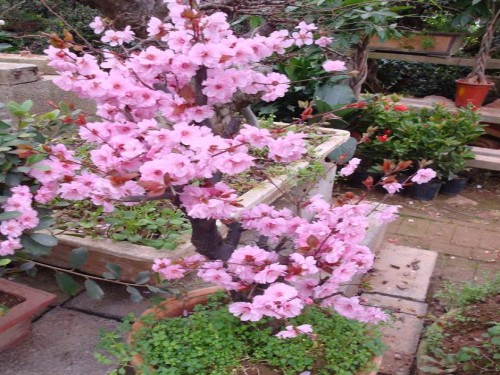
What are the care and management methods for flowering almond (Prunus triloba)?
Flowering almond gets its name because its leaves resemble those of the elm. Its leaves look like elm leaves and its flowers look like plum blossoms, hence the name "flowering almond." With dense branches and leaves and abundant, brightly colored flowers, it is an important flowering ornamental shrub species for landscaping in gardens, streets and roadsides in northern China. If you want flowering almond to have abundant flowers and lush leaves in early spring
-
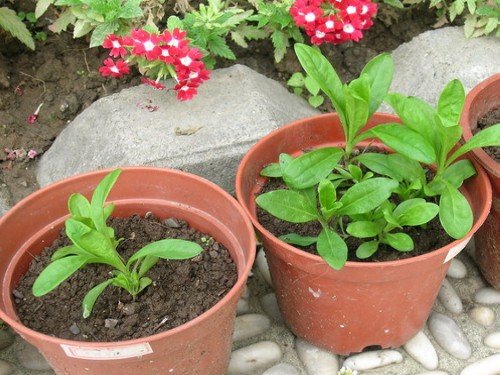
How to Grow Potted Rainbow Dianthus? A Detailed Guide to Cultivation Methods
There are quite a few varieties of Rainbow Dianthus, including dwarf flowers such as the three-inch and five-inch types, as well as ordinary ones with a plant height between 30 cm and 50 cm, so they are a very good choice for pairing with one another to decorate flower beds. Rainbow Dianthus is one of China's traditional famous flowers, with a strong nature and cold resistance, and it can bloom from late spring to mid-autumn. So
-
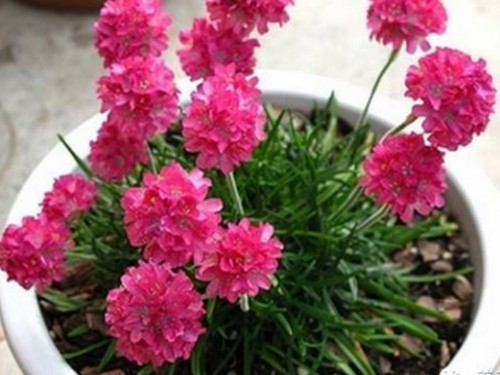
What are the cultivation methods for potted sea thrift (Armeria maritima)?
The sea thrift plant is short in cultivation height and has a wide range of applications in horticulture; it can be used as a potted plant, and also for flower beds, landscape arrangements and rock gardens. It is a spring-blooming plant, and its small, compact plant form is deeply loved by people. During the flowering period, a large number of rose-pink flowers bloom on the compact plant. The bright flower color
-
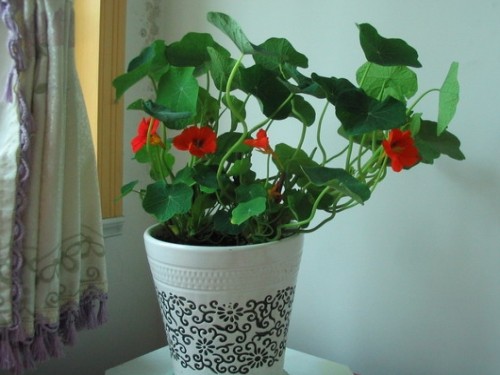
How to grow potted nasturtium? Detailed guide to cultivation methods
Nasturtium, also known as golden lotus and money lotus, is native to South America and prefers warm, humid conditions, avoiding high summer heat. Soak nasturtium seeds in room-temperature clean water for 1 day; the seeds will germinate in 3 days, then plant them in soil, and they will break through the soil in 3-5 days. To promote flowering, you can pinch off the growing tips, leaving 4 large leaves.
-
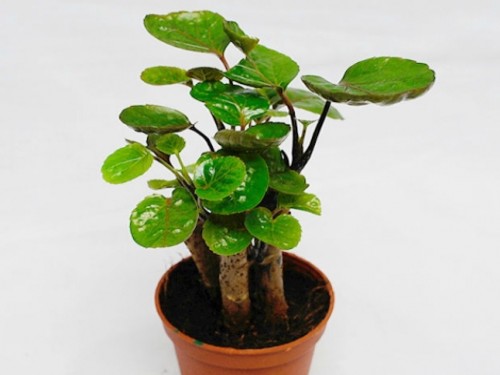
How to grow Polyscias fruticosa? A detailed guide to potted cultivation methods
Polyscias fruticosa is a popular high-end indoor evergreen foliage plant in recent years, also known as the money pouch or "lots of money." Its plant form is elegant and unrestrained, with leaves of endless charm. Because it symbolizes wealth and good fortune, "with a Polyscias fruticosa at home, wealth flows even more smoothly," it has also become a very popular Lunar New Year festive plant
-
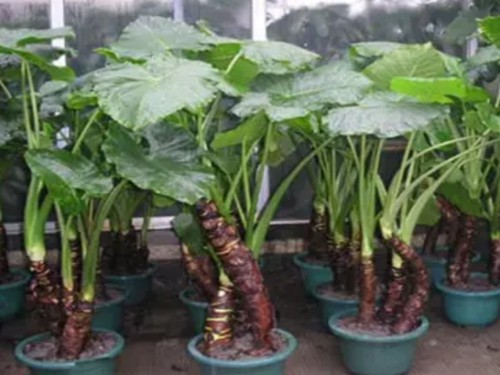
What to Do If a Potted Giant Taro (Alocasia) Has Root Rot? Detailed Treatment Methods
"Dishuidian" is a commercial name; it is also known as "Dishui Lian" and "Foshou Lian," and other common names include Henyutou, Langdu (Guangdong), wild taro, mountain taro, big-root taro, big-worm taro, Tianyu, Tianmeng, and so on. What is called "calla lily" in Taiwan, China actually refers to Alocasia macrorrhizos. So what should you do if the giant taro has root rot? Giant taro is prone to root rot in summer.
条件筛选