How to grow potted nasturtium? Detailed guide to cultivation methods
Nasturtium, also known as golden lotus and money lotus, is native to South America and prefers warm, humid conditions, avoiding high summer heat. Soak nasturtium seeds in room-temperature clean water for 1 day; the seeds will germinate in 3 days, then plant them in soil, and they will break through the soil in 3-5 days. To promote flowering, you can pinch off the growing tips, leaving 4 large leaves. Apply a compound overwintering fertilizer once in late autumn, which helps with cold resistance and growth the following year.
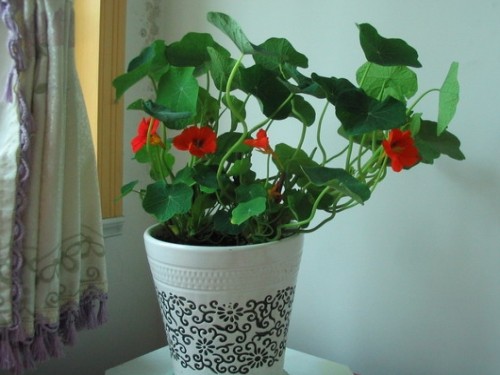
Nasturtium, also known as golden lotus and money lotus, is a herbaceous plant in the Tropaeolaceae family, semi-vining and able to climb, annual, biennial or perennial. Its leaves are plump and its flowers beautiful, with colors including orange-red, cream yellow and purple-red; nasturtium blooms in full flower like colorful butterflies dancing, extremely beautiful and charming. Next, let us take a look at the cultivation methods for nasturtium.
1. Soil
Potted nasturtium prefers soil that drains easily, is rich in nutrients and allows the roots to breathe. It fears waterlogging and must not sit in standing water. The potting soil can be made by mixing garden soil, leaf mold, compost soil and sand in a 4:4:1:1 ratio.
2. Light
Nasturtium needs sufficient light, but in summer it must not be exposed to direct sunlight; place it in a cool, well-ventilated spot. In North China, move it indoors in mid-October and place it where it can receive sunlight. Nasturtium grows according to the light conditions, so the plant should be rotated constantly to receive even light.
3. Temperature
The most suitable temperature for nasturtium is 18-24°C. It fears high temperatures and does not bloom easily when summer temperatures are too high; above 35°C, growth slows or stops. Nasturtium is not cold-tolerant and can only survive briefly at 0°C; the winter temperature should be above 10°C to help it overwinter. Keeping the winter temperature at 12-16°C with suitable fertilizer and water can maintain nasturtium's growth.
4. Watering
Nasturtium likes moisture but is not tolerant of waterlogging; soil moisture should be kept at 50%. During the growing period, water little but often: in spring and autumn, water once every 1-2 days; in summer, water once a day, and in the evening mist the nasturtium's leaves. Reduce watering frequency during the bud stage, and increase the amount as appropriate.
5. Fertilizing
During nasturtium's growing period, apply 20% decomposed soybean cake water once a month; during the flowering period, apply 0.5% superphosphate or decomposed chicken and duck manure water once every half month; after the flowers fade, apply 30% decomposed soybean cake water once. Nasturtium does not need fertilizer in summer; apply a compound overwintering fertilizer once in late autumn, which helps with cold resistance and growth the following year.
6. Pests and diseases
Nasturtium rarely suffers from pests and diseases. Diseases generally include leaf miners, which cause leaves to curl or fall off; there are also aphids and whiteflies, which can be controlled by spraying pesticides. Diseases generally include mosaic disease and ringspot disease; you can spray insecticide to control aphids, clear the surrounding weeds, and pull up infected plants and burn them.
Notes:
It prefers a mild climate and is not tolerant of severe cold or intense heat. The suitable growing temperature is 18 to 24°C. It can endure short periods at 0°C, likes warmth and humidity, and the overwintering temperature should be above 10°C. It does not bloom easily under high summer temperatures, and growth is inhibited above 35°C. In winter, spring and autumn it needs sufficient light, and in summer potted plants must not be exposed to scorching sun. Therefore, in our daily care we must manage it according to its growth habits to obtain a beautiful potted nasturtium.