-
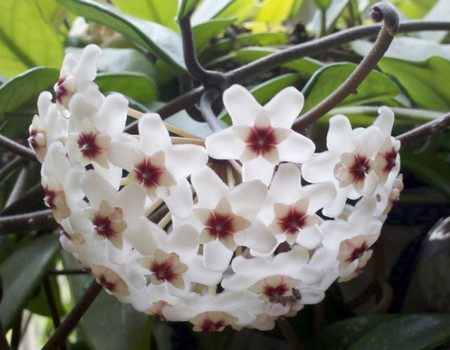
How to Grow Hoya? A Detailed Guide to Hoya Cultivation Methods
Hoya is a perennial climbing herb with trailing stems and aerial roots at the nodes, allowing it to grow by attaching to other objects; its leaves are opposite, thick and fleshy, and fully green in color. The flowers are axillary or terminal, forming spherical umbels, with small star-shaped flowers clustered together, elegant and fragrant. Hoya is a widely cultivated indoor foliage and flowering plant, with vivid flower colors and unusual flower shapes.
-

What are the cultivation methods and precautions for potted herbaceous peony?
The herbaceous peony is praised by people as the "Flower Fairy" and the "Flower Minister," and is listed as one of the "Six Famous Flowers." It is also called the "May Flower God," and because it has been regarded as the flower of love since ancient times, it is now honored as the representative flower of the Qixi Festival. The herbaceous peony is graceful and charming, with gorgeous colors, and is also elegant and luxurious, similar to the tree peony. Hence the laudatory titles: "the tree peony is the king of flowers, and the herbaceous peony is the minister of flowers."
-
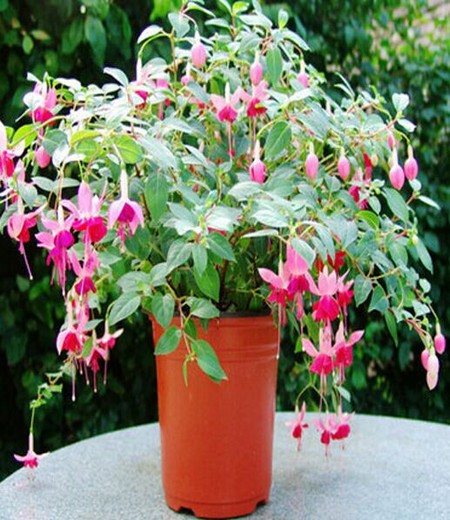
How to grow fuchsia in pots? Detailed guide to care methods and precautions
Propagation: Cuttings, can be done year-round except in summer. April-May or September-October is when cuttings root fastest. Use either the tips of shoots or the middle-to-lower parts, cut into 8 cm-10 cm sections and insert into a pot filled with sandy soil, place in a shaded spot, cover with glass, and roots will form in about 10 days
-
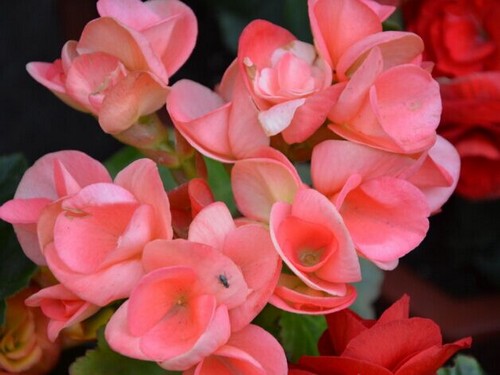
How to Grow Rieger Begonia? A Complete Guide to Care Methods and Precautions
Rieger Begonia (Begonia × hiemalis) is a greenhouse flower that blooms in winter. Because it is a hybrid variety, it combines many advantages: large and brightly colored flowers, rich colors, and gorgeous flower shapes that are mesmerizing. In recent years, Rieger Begonia has become very popular in the flower market, and its cultivation and consumption have increased sharply.
-
How to grow a Sorbaria sorbifolia bonsai? Detailed guide to cultivation methods
Sorbaria sorbifolia is a shrub-type plant that lives in cold regions such as Liaoning, Jilin and Heilongjiang, and in mountain forests at relatively high altitudes, which establishes its habit of tolerating cold and partial shade. So Sorbaria sorbifolia is a particularly easy plant to manage
-
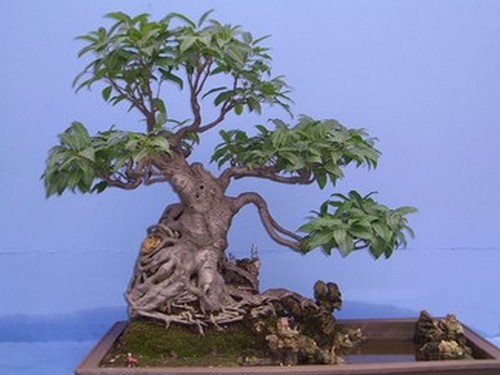
How to grow a Sorbaria bonsai? Detailed care methods
Sorbaria sorbifolia, also known as pearl spiraea, belongs to the genus Spiraea in the rose family. It is a deciduous shrub with lush branches and leaves, umbrella-shaped inflorescences, and dense small white flowers that look like accumulated snow. Its flowering period is April to May. It is suitable for clump planting, group planting, and mass planting. When grown as a home potted plant for ornamental purposes, its pretty and charming appearance in bloom is even more refreshing and delightful. Sorbaria sorbifolia is native to northern Asia.
-
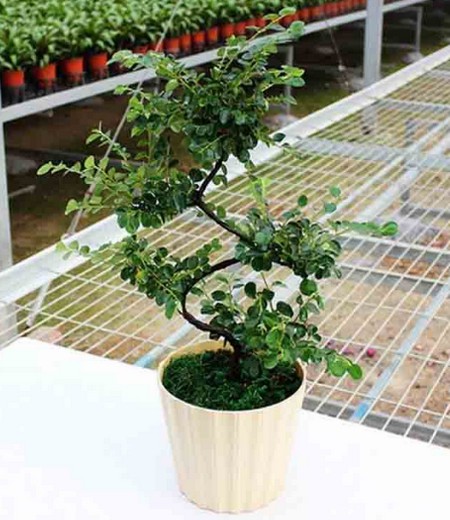
What are the cultivation methods for potted Sorbaria sorbifolia (false spiraea)?
Sorbaria sorbifolia gets its name because its flower buds form glossy white granular shapes, looking like little pearls scattered among the foliage. The flowers are elegantly shaped, pure white, with a light fragrance, and the leaves are bright green. It also has a long blooming period, giving it high ornamental value, making it an excellent choice for decorating courtyards.
-
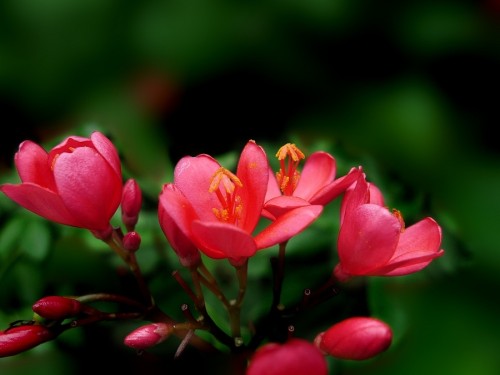
What are the pest and disease control methods for Jatropha pandurifolia?
Jatropha pandurifolia, also known as Jatropha multifida, fiddle-leaf cherry, South Seas cherry, and everyday cherry, belongs to the genus Jatropha in the family Euphorbiaceae. It is an evergreen shrub with red flowers, and the plant body contains milky sap, which is toxic. Because its leaf shape resembles a fiddle, it is called fiddle-leaf cherry; and it also looks like cherry blossoms
-
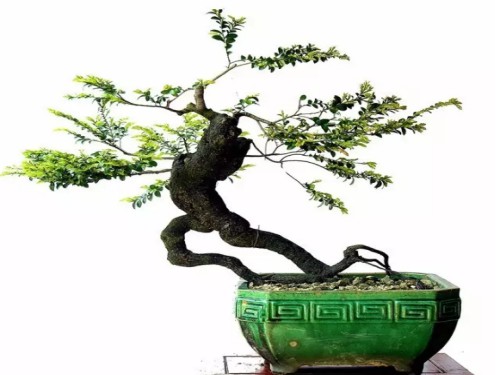
What are the care methods for a black bone tea bonsai?
Black bone tea is mainly a bonsai tree species grown for its foliage. The leaves of a black bone tea bonsai are relatively small and deep green, its bark and roots are black, and its wood is very hard, yet its growth rate is very slow. Large, fully formed tree-style works have only been seen in bonsai magazines from Taiwan, China.
-
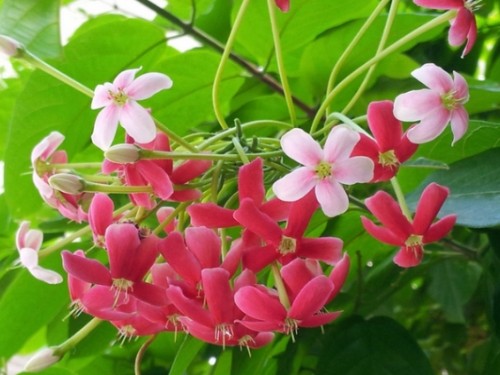
How to grow Rangoon creeper (Combretum indicum) in pots? Growing methods and points to note
Rangoon creeper, also known as Liuqiuzi and Suoziguo. In Guangzhou it is called "Shuijunzi". Rangoon creeper is a deciduous climbing shrub, with opposite oblong leaves and terminal spike inflorescences; the calyx is a long slender tube, the flowers hang downward, and the petals are red. After flowering it produces ridged fruit. The seeds used as medicine are called Shijunzi (Rangoon creeper seeds) and are an effective deworming agent
条件筛选