How to grow Polyscias fruticosa? A detailed guide to potted cultivation methods
Polyscias fruticosa is a popular high-end indoor evergreen foliage plant in recent years, also known as the money pouch or "lots of money." Its plant form is elegant and unrestrained, with leaves of endless charm. Because it symbolizes wealth and good fortune, "with a Polyscias fruticosa at home, wealth flows even more smoothly," it has also become a very popular Lunar New Year festive plant.
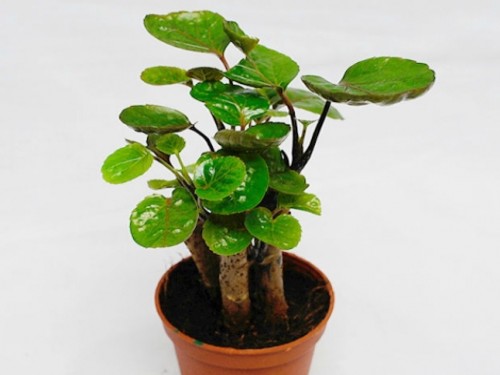
Polyscias fruticosa, also known as Polyscias guilfoylei or Polyscias paniculata, is an evergreen shrub or small tree in the family Araliaceae and the genus Polyscias. The plant is much branched, with grayish-brown stems densely covered in lenticels. The branches are soft, and the leaves are alternate, either trifoliolate pinnately compound leaves or simple leaves. The leaflets are broadly ovate or nearly round, with heart-shaped bases and finely serrated margins, and the leaf surface is green. It usually branches sparsely, and the stem surface is densely covered with obvious lenticels. The umbels form panicles.
Below, let us take Polyscias fruticosa as an example to look at the specific care methods for Polyscias.
1. Soil
Loose, fertile, well-drained sandy loam is best, providing it with a loose, moist, and fertile soil environment. Generally, repot the soil once every two years in spring. For fertilizing, home potted plants can be watered with a mixture of 0.2% urea and 0.1% potassium dihydrogen phosphate, or a small amount of multi-element slow-release compound fertilizer granules can be scattered on or buried in the surface of the potting soil. When fertilizing, pay attention to the balance of nitrogen, phosphorus, and potassium. If disease occurs, promptly remove and destroy the diseased leaves.
2. Light
Bright light is needed. Insufficient light easily causes leggy stems and leaves, dull leaf color, and fading patterns, but at the same time strong direct sunlight should be avoided, especially in early summer after a long rainy spell when the sky first clears, to prevent the leaves from being scorched. For home potted plants, it can usually be placed in a well-ventilated spot near a south-facing window or opening. In summer, it can be placed by a north- or east-facing window, and in winter it should be placed in a brighter spot indoors. In short, it grows most vigorously in a semi-lit environment with bright scattered light.
3. Temperature
The suitable growth temperature is 15-30°C, of which it can be kept at 20-30°C from April to October, and at 13-20°C from October to April of the following year. Generally, the indoor temperature in winter should also be maintained at no lower than 10°C. In late autumn and early winter, when the temperature drops to 15°C, it should be moved indoors promptly to prevent the plant from suffering cold damage. In winter, if the indoor temperature can be maintained above 20°C, its stems and leaves will continue to grow; if the temperature is not high, the plant stops growing and enters a semi-dormant state. In short, the indoor temperature in winter should also be maintained at no lower than 10°C. When the summer temperature reaches above 32°C, it also cannot be left unchecked.
4. Humidity
During the growing season of Polyscias fruticosa, keep the potting soil moist but not waterlogged, and frequently spray the plant with water close to room temperature to increase air humidity and keep the leaf color fresh.
5. Water
Potted Polyscias fruticosa likes a relatively moist soil and air environment. During the growing season, there must be a sufficient water supply. Water after the surface of the potting soil dries; it does not matter if the soil is slightly dry, but do not water too much, to avoid waterlogging and root rot. In midsummer when the temperature is relatively high, besides watering sufficiently, the leaves also need to be sprayed with water once a day, which can both keep the leaf surface clean and glossy and raise the air humidity around the plant. In late autumn and early winter, when the temperature drops below 15°C, watering should be controlled. In winter, the amount of water should be reduced, or spraying water can replace watering, keeping the potting soil slightly moist and a bit dry. However, when spraying the leaves, be careful to make the water temperature basically the same as room temperature.